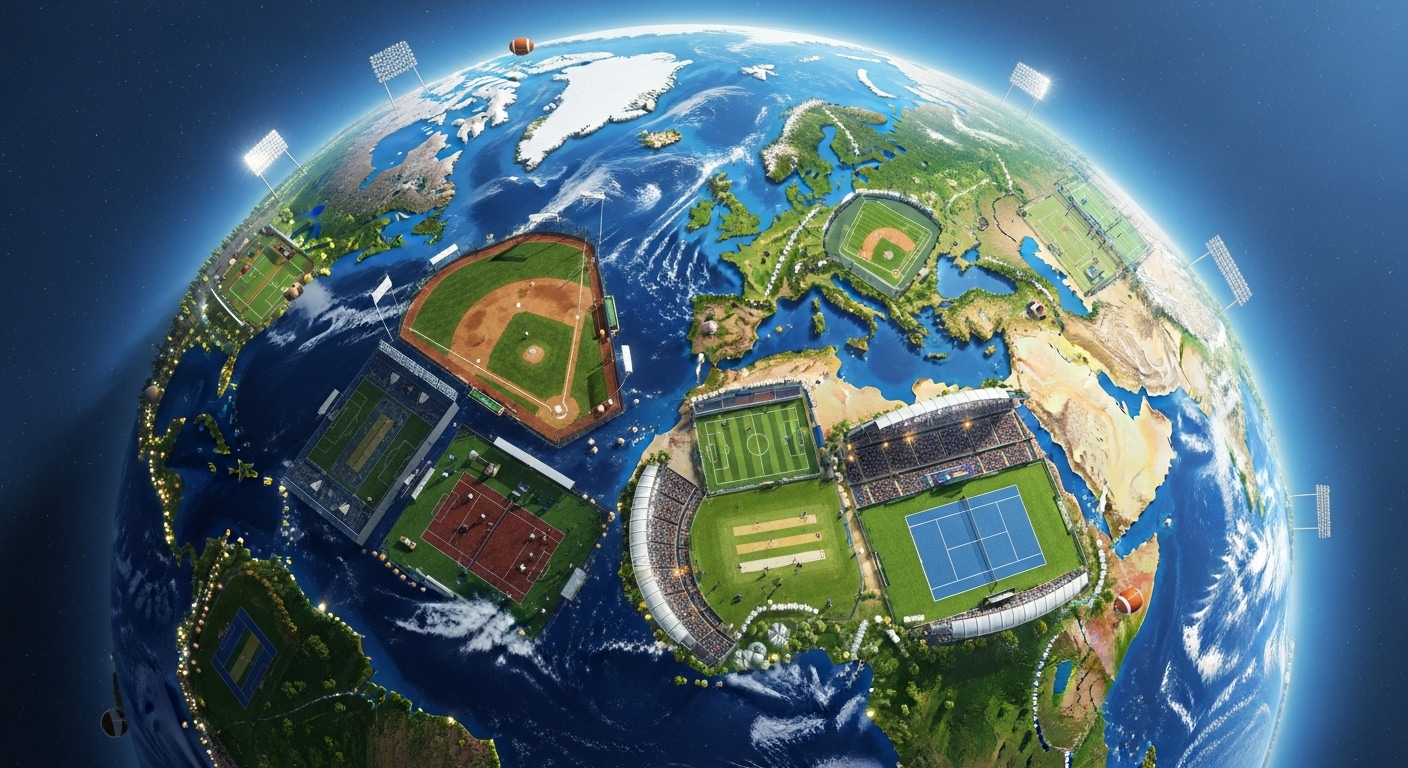
Sports have always been more than just games or competitions. They are reflections of human spirit, culture, and unity. Across every corner of the world, sports bring people together, inspire millions, and serve as a universal language that transcends race, nationality, and belief. Whether it is the thunderous roar of fans in a football stadium, the calm focus of a tennis player before a serve, or the determined stride of a marathon runner nearing the finish line, sports symbolize discipline, teamwork, and the relentless pursuit of excellence.
The Origin and Evolution of Sports
The story of sports is as old as civilization itself. In ancient times, sports were not only a source of entertainment but also a means of preparing for survival and warfare. Activities like running, wrestling, and archery were crucial skills for early societies. Ancient Egypt saw the beginnings of organized competition, while Greece elevated sports to a cultural phenomenon with the birth of the Olympic Games in 776 BC.
These ancient Olympics celebrated physical strength and mental courage, honoring athletes who represented their city-states with pride. Over centuries, sports evolved from ritualistic displays to structured competitions. The Romans introduced gladiatorial games, medieval Europe had jousting tournaments, and Asia developed martial arts traditions that combined physical training with philosophical teachings.
By the 19th and 20th centuries, modern sports began taking shape. The establishment of governing bodies, codified rules, and global events like the modern Olympics in 1896 turned sports into an international movement. From cricket in England to baseball in America, from soccer in Brazil to hockey in India, sports became intertwined with national identity and pride.
The Universal Appeal of Sports
What makes sports so powerful is their universal appeal. A football match in a small African village, a basketball game in an American suburb, or a cricket tournament in South Asia all evoke the same emotions—excitement, tension, joy, and sometimes heartbreak.
Sports connect people who might otherwise have little in common. They provide a stage where talent, not background, determines success. When Lionel Messi dribbles past defenders or Serena Williams delivers a thunderous serve, the world watches in awe. These moments remind us that greatness is possible regardless of one’s origins.
Moreover, sports serve as a bridge between generations. Parents pass down love for a team or a sport to their children. Communities unite to celebrate victories or mourn defeats. Sporting heroes become symbols of hope, teaching valuable life lessons about perseverance, teamwork, and respect.
The Physical and Mental Benefits of Sports
Beyond entertainment, sports play a crucial role in physical and mental well-being. Engaging in physical activity strengthens muscles, improves cardiovascular health, enhances coordination, and boosts overall fitness. Sports like swimming, running, or cycling promote endurance and stamina, while strength-based sports like wrestling or gymnastics build power and resilience.
Mentally, sports are just as beneficial. They teach patience, focus, and the ability to handle pressure. Every athlete, regardless of their level, learns to cope with failure, celebrate success modestly, and stay disciplined in pursuit of improvement. The mental toughness developed through sports often translates into other areas of life, such as education, career, and personal relationships.
Team sports, in particular, build social skills. Players learn to communicate, cooperate, and trust one another. They understand that victory is not an individual achievement but a collective effort. This sense of camaraderie and shared purpose creates lasting friendships and strengthens community bonds.
Sports as a Global Industry
Today, sports are not just physical activities but also a massive global industry worth billions. From television broadcasting to sponsorships, merchandising, and tourism, sports influence economies worldwide. Major events like the FIFA World Cup, the Olympic Games, and the Super Bowl attract audiences in the billions, driving advertising and brand partnerships on an unprecedented scale.
Athletes have become global icons and influencers. Figures like Cristiano Ronaldo, Usain Bolt, and Roger Federer are not only champions in their respective sports but also ambassadors of determination and professionalism. Their success stories inspire millions of aspiring athletes to pursue their dreams despite challenges.
The business side of sports also extends to fashion, technology, and media. Sports apparel brands, analytics tools, and fitness gadgets have revolutionized how athletes train and how fans engage with games. Stadiums have become architectural marvels, offering immersive experiences that combine entertainment and technology.
The Role of Women in Sports
The rise of women in sports is one of the most inspiring chapters in modern athletic history. For centuries, women faced societal barriers that prevented them from participating in competitive sports. However, persistence and advocacy have gradually broken these barriers, paving the way for female athletes to shine on the world stage.
Icons like Billie Jean King, Mia Hamm, Simone Biles, and Naomi Osaka have not only achieved extraordinary success but also championed equality, inspiring young girls everywhere to dream big. The inclusion of women’s events in global competitions and the increasing visibility of female leagues are testaments to progress.
However, challenges remain. Pay disparities, limited media coverage, and unequal sponsorship opportunities still hinder complete equality. Yet, every record-breaking performance and every sold-out women’s match is a step closer to a fair and inclusive sporting world.
Technology and Innovation in Modern Sports
In today’s digital era, technology has transformed the way sports are played, watched, and analyzed. High-definition broadcasts bring fans closer to the action than ever before. Advanced camera angles, slow-motion replays, and virtual graphics provide new perspectives on every play and movement.
For athletes, technology has revolutionized training. Wearable devices track performance, heart rate, and recovery time. Artificial intelligence assists in game strategy and injury prevention. Data analytics help coaches fine-tune tactics and evaluate opponents.
In sports medicine, technological advancements have improved rehabilitation and injury management, enabling athletes to recover faster and extend their careers. Virtual reality is also making its mark, allowing players to simulate scenarios and enhance decision-making without physical strain.
While technology enhances precision and performance, it has also sparked debates about fairness. The introduction of video assistant referees (VAR) and goal-line technology in football, for instance, has been both praised and criticized. Still, technology continues to evolve, shaping the future of fair play and competition.
Sports and National Identity
Sports often serve as a reflection of national pride and unity. Victories on the international stage have the power to uplift entire nations, while defeats can unite fans in shared resilience. When a team or athlete represents a country, they carry the hopes and emotions of millions.
In countries like Brazil, football is more than a game—it’s a way of life. In India, cricket is a religion that transcends social and economic boundaries. In the United States, sports like basketball and American football are woven into the cultural fabric. Every country has its own sporting identity, shaped by history, geography, and community passion.
Sporting events also serve diplomatic purposes. They promote peace and understanding, offering platforms where countries compete with respect rather than hostility. The concept of “sports diplomacy” has been used to build bridges between nations and foster mutual respect.
The Spirit of Competition
At its core, the essence of sports lies in competition. It is not merely about winning but about striving to be better each day. Competition tests limits, reveals character, and pushes humanity toward excellence.
Every athlete experiences both triumph and defeat. The moments of victory bring immense joy, but it is the moments of loss that truly shape character. Great athletes are defined not by their medals but by how they rise after failure. They embody resilience—the ability to fight again with renewed determination.
Competition also promotes healthy rivalry. When athletes respect one another, even fierce rivalries become sources of mutual growth. The friendship between Roger Federer and Rafael Nadal, for example, exemplifies how competition can coexist with deep respect and admiration.
Youth and Grassroots Sports Development
The foundation of every sporting nation lies in its grassroots programs. Encouraging children to engage in sports not only nurtures future champions but also instills lifelong values of discipline, teamwork, and health.
Schools and community programs play a crucial role in introducing young people to various sports. These early experiences help identify talent and provide opportunities for skill development. Access to facilities, coaching, and support systems determines how many young athletes can reach professional levels.
Countries that invest in grassroots sports often see long-term success on the international stage. But beyond professional achievement, youth participation in sports contributes to building healthier and more confident societies.
Sportsmanship and Ethics
One of the most respected qualities in sports is sportsmanship. It represents fairness, respect, and integrity both on and off the field. True sportsmanship means acknowledging the opponent’s skill, playing by the rules, and accepting outcomes with grace.
However, the increasing pressure to win has sometimes led to ethical concerns such as doping, match-fixing, and corruption. These issues threaten the purity of competition and the trust of fans. To preserve the integrity of sports, governing bodies and athletes must commit to transparency and honesty.
Sports also teach moral lessons that extend far beyond competition. They remind us that success without integrity is hollow and that respect for the game, opponents, and oneself is what truly defines greatness.
The Emotional Power of Sports
Few experiences in life can match the emotional highs and lows that sports bring. The tension before a crucial goal, the joy of a last-minute victory, or the heartbreak of defeat—these emotions unite fans across the world. Sports are full of unforgettable moments that live on in collective memory: a record-breaking sprint, an underdog victory, or a comeback that defies all odds.
For fans, sports become a part of identity. Supporting a team or athlete provides a sense of belonging and community. The chants, colors, and traditions associated with fandom create a culture that transcends time and geography.
The Future of Sports
The future of sports is being shaped by innovation, inclusivity, and sustainability. New forms of competition like eSports are gaining massive global audiences, blending technology with entertainment. Traditional sports are also adapting to attract younger fans through interactive experiences and digital engagement.
Environmental responsibility is becoming a key focus, with events and organizations working toward eco-friendly practices. From using renewable energy in stadiums to promoting waste reduction, sports are embracing sustainability as part of their global mission.
Inclusivity is another major frontier. Adaptive sports for individuals with disabilities continue to expand, showcasing incredible resilience and talent. The Paralympic Games, for example, have redefined perceptions of ability and inspired countless people around the world.
Conclusion: The Endless Inspiration of Sports
Sports are more than physical contests—they are expressions of humanity’s highest ideals. They remind us of what we can achieve when we dream big, work hard, and believe in ourselves. Whether on a global stage or in a neighborhood park, the spirit of sports continues to inspire generations.
Through victories and defeats, joy and pain, sports teach us to persevere, to respect others, and to celebrate the beauty of effort. They bring nations together, build character, and shape lives. As long as humans strive for greatness, the world of sports will remain a symbol of passion, unity, and hope.