The Unseen Power of Sports: Beyond Physical Activity
Sports, in their various forms, have always been a significant part of human history. Whether it’s a local game of football or an international competition like the Olympics, sports have a way of uniting people, promoting health, and building character. But there’s more to sports than just physical exertion. In this post, we’ll dive into the less-discussed aspects of sports—those that shape our lives and society in ways beyond the scoreboard.
1. Sports as a Bridge Across Cultures
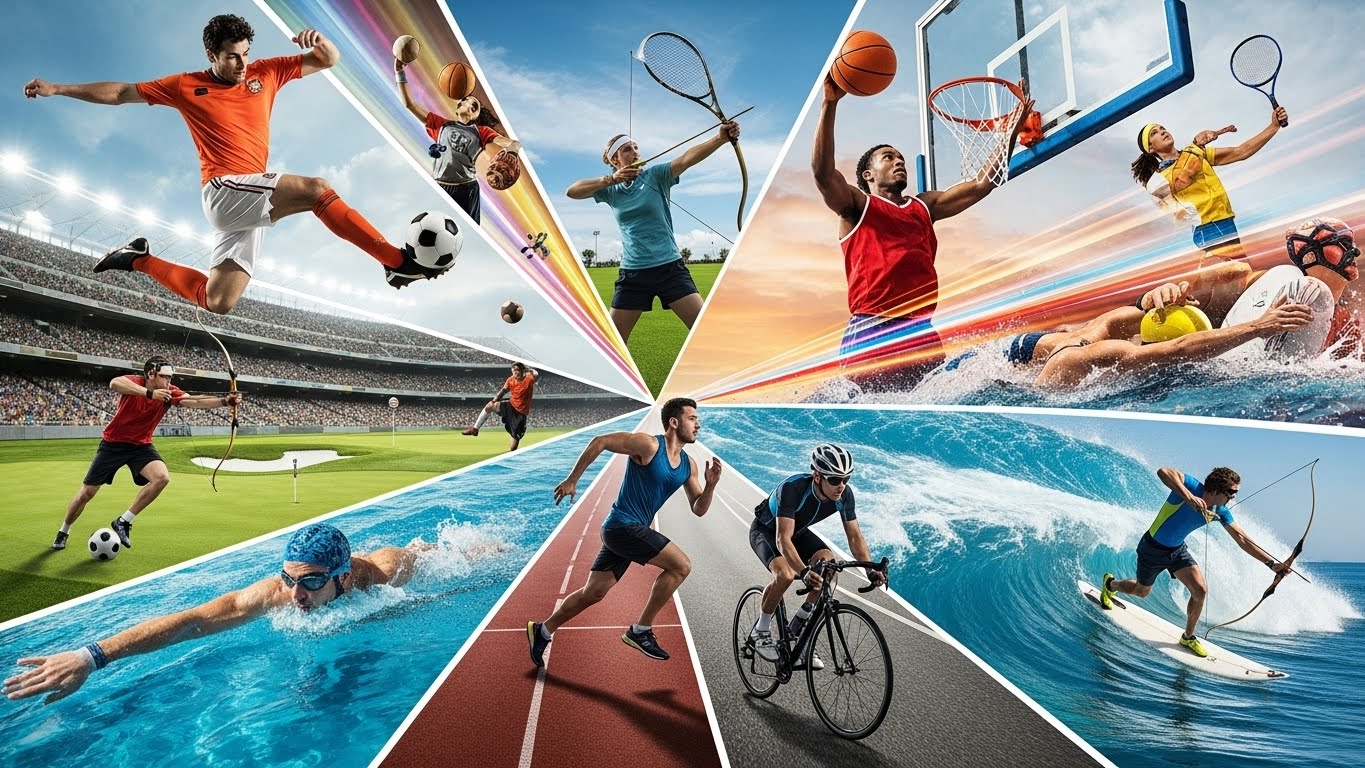
One of the most compelling aspects of sports is its ability to break down cultural, social, and geographical barriers. No matter where you go in the world, you’ll find people playing some form of sport. Football in Europe, cricket in India, basketball in the United States—sports are universal. They provide a shared language, a common ground where differences fade away in the face of competition.
International sports events, like the World Cup or the Olympic Games, bring together nations that might not otherwise interact. Fans from all walks of life unite in their passion for the game, creating an environment where national pride can coexist with camaraderie. This unity that sports foster is an important lesson in global cooperation.
2. Building Mental Strength Through Sports
While physical fitness is often the first thing people think about when discussing sports, the mental benefits are just as profound. Engaging in regular physical activity helps reduce stress, anxiety, and depression. The discipline and focus that athletes develop, whether on the field or in the gym, are transferable to other areas of life.
Think about the focus required in a tennis match, the strategic thinking in chess, or the perseverance seen in long-distance running. These qualities shape an individual’s ability to deal with challenges both on and off the field. Sports often teach mental resilience—the ability to bounce back after a setback, face adversity head-on, and maintain focus under pressure. These mental skills contribute to success in school, work, and personal life.
3. The Power of Teamwork
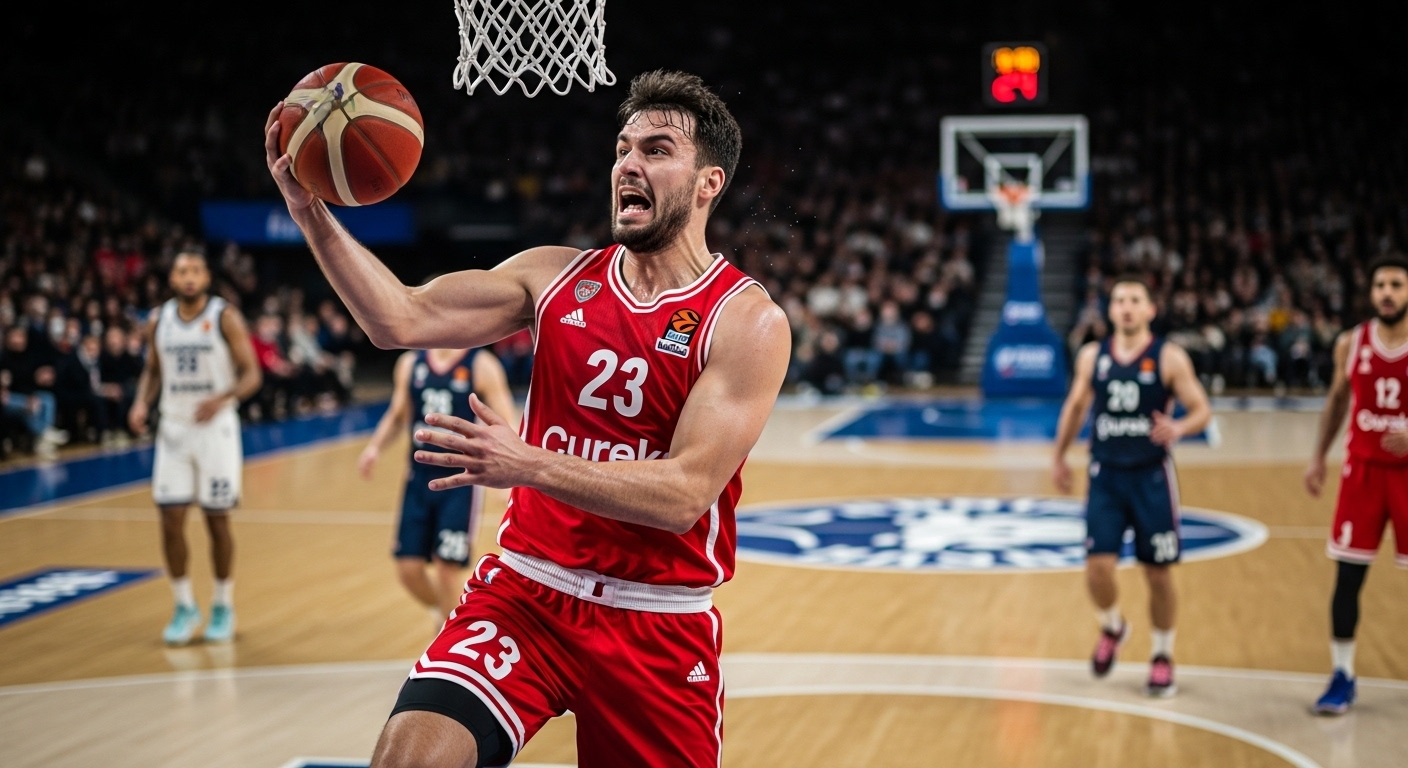
It’s no secret that team sports like soccer, basketball, and rugby require collaboration and communication. What’s often overlooked, however, is how these experiences shape interpersonal skills and foster a sense of community. The synergy that exists between teammates during a game teaches valuable lessons about trust, compromise, and collective effort.
These lessons extend far beyond the locker room. In the workplace, a person who has been part of a team understands the importance of working together towards a common goal. They also learn to value others’ strengths and how to support their teammates through challenges. The art of working in harmony is a skill that benefits both personal and professional relationships.
4. Sports as a Platform for Personal Growth
For many, sports represent an opportunity for personal growth. It’s a place where we push our physical limits and strive for improvement. From the first time a child learns to ride a bike to an adult training for a marathon, sports provide a tangible way to measure progress. The satisfaction of improving a skill, whether it’s running faster or scoring a goal, builds self-esteem and confidence.
Moreover, sports often give individuals a sense of purpose. Athletes train and strive for a goal, and the journey of chasing that goal can be transformative. It teaches patience, perseverance, and the importance of setting long-term objectives. The satisfaction that comes from achieving a personal best, regardless of whether it leads to a medal or a trophy, is a profound aspect of the sporting experience.
5. Promoting Healthy Lifestyles
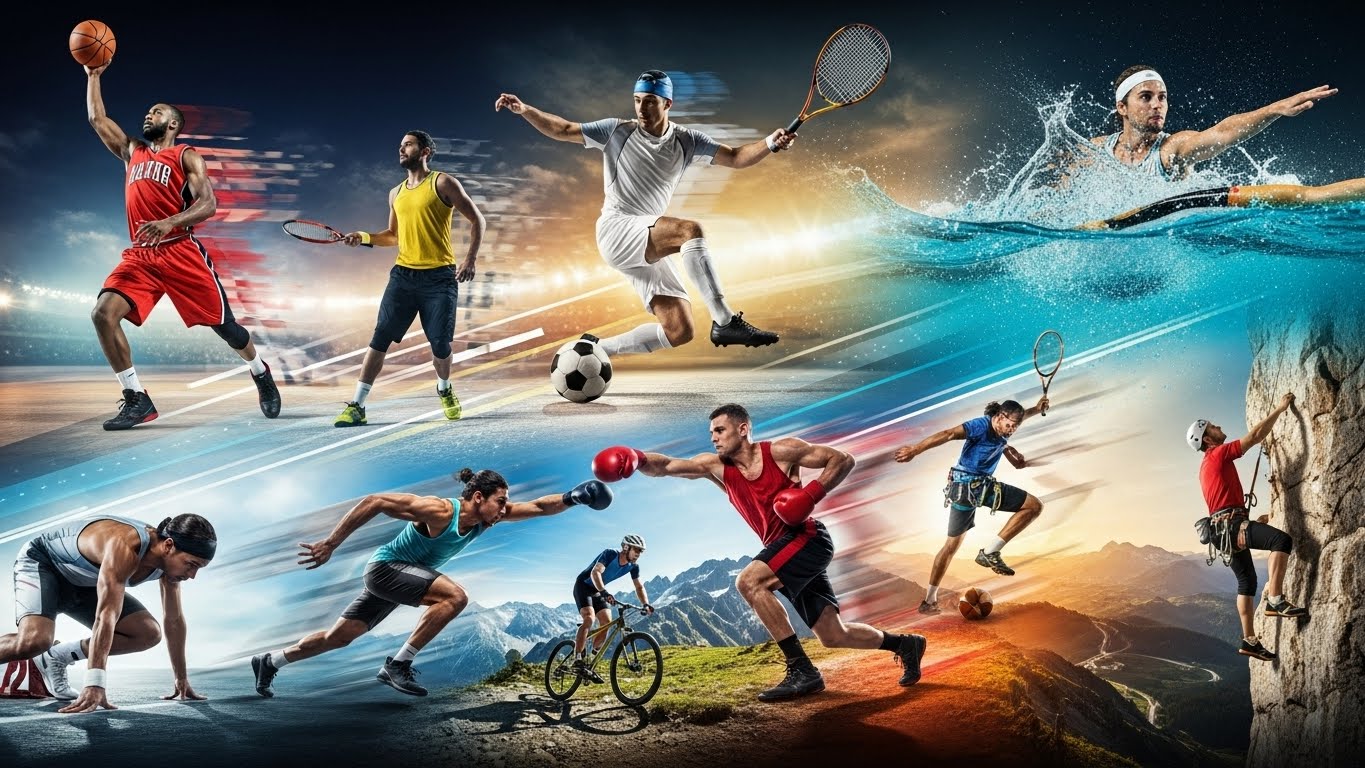
In today’s fast-paced, technology-driven world, maintaining a healthy lifestyle is more challenging than ever. However, sports provide an engaging and enjoyable way to stay active. Whether it’s jogging, playing tennis, swimming, or cycling, engaging in regular physical activity is essential for maintaining good health.
Participating in sports helps improve cardiovascular health, strengthen muscles and bones, and enhance overall fitness. Beyond the physical benefits, sports also offer a mental release. Engaging in a game or practice session allows individuals to disconnect from their daily worries and immerse themselves in the present moment.
6. The Role of Sports in Character Development
Sports play a significant role in shaping character, particularly in young people. Through sports, individuals learn valuable life lessons such as:
- Discipline: Following a training schedule or adhering to team rules teaches the importance of structure.
- Respect: Respecting teammates, coaches, and opponents is fundamental to success in any sport.
- Integrity: Fair play and honesty are essential principles in sports that transfer to daily life.
- Leadership: Athletes who take on leadership roles in their teams develop strong leadership skills that can be applied in other areas.
For young athletes, these lessons often serve as the foundation for their future success, both professionally and personally.
Conclusion: The Timeless Impact of Sports
Sports offer more than just entertainment or physical fitness; they provide invaluable life lessons. They teach us how to be resilient in the face of adversity, how to work together as a team, and how to strive for continuous self-improvement. Whether you’re a professional athlete or someone who enjoys a casual game with friends, the benefits of sports extend far beyond the playing field.
So, next time you lace up your shoes or pick up a ball, remember that you’re not just engaging in physical activity—you’re part of a global community, improving your mental and physical health, and developing skills that will serve you for a lifetime.