
The Role of Sports in Society: Influence, Evolution, and Cultural Significance
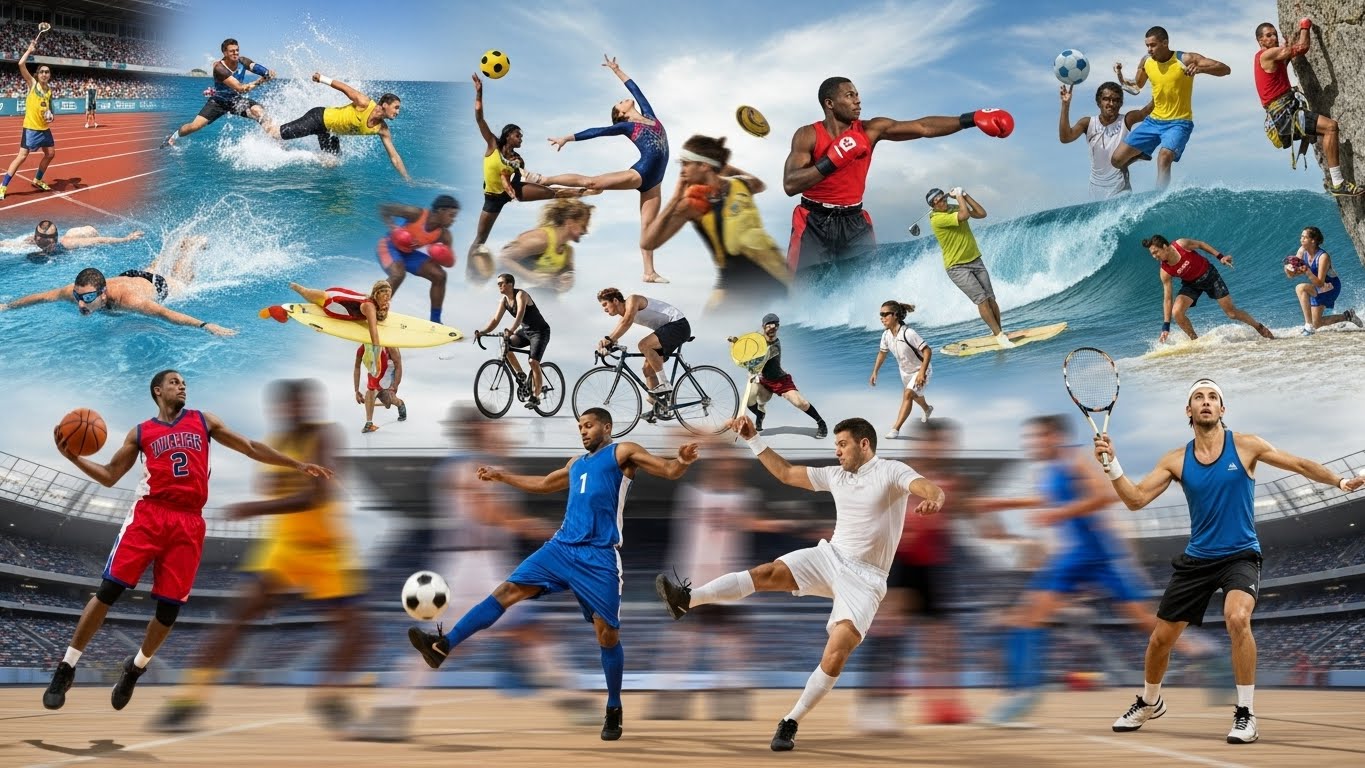
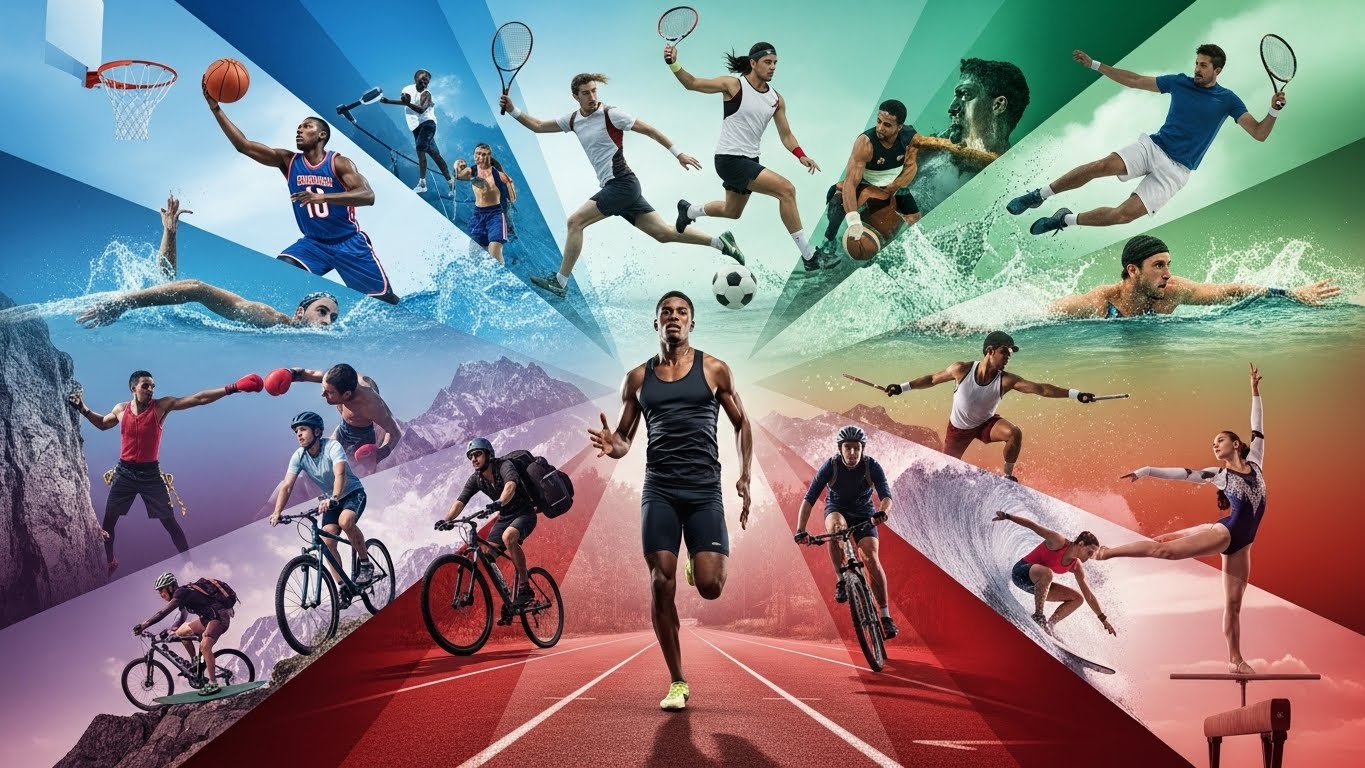
Sports have always been an integral part of human history. From ancient civilizations to modern-day professional leagues, sports have evolved not only as a form of entertainment but also as a mirror reflecting societal values, cultural shifts, and political movements. The impact of sports on society is profound, influencing not only the individual but also the global community. In this blog post, we will explore the multifaceted role of sports, examining how they have evolved, shaped cultural identities, contributed to social change, and continue to influence economic and political landscapes.
The Early History of Sports: From Rituals to Competitions
The origins of sports can be traced back to ancient times, where physical contests were often intertwined with religious rituals, warfare preparation, or as a means of demonstrating strength and power. Civilizations such as the Egyptians, Greeks, and Romans all had their own forms of competitive games, and these contests were often used to foster unity within their respective societies. In ancient Egypt, for example, physical contests like wrestling and archery were part of military training, ensuring soldiers were prepared for battle.
However, it was in ancient Greece that sports began to take on a more formalized, organized role. The ancient Greeks introduced the Olympic Games in 776 BCE, and these games became a centerpiece of Greek culture. The Olympic Games were held in Olympia, and athletes from different city-states competed in events such as running, wrestling, and boxing. The games were not just about showcasing athleticism; they were a celebration of the human body, individual excellence, and divine favor. The Greeks believed that physical fitness was essential to the development of a well-rounded individual, and the Olympics embodied this philosophy.
The Romans also embraced athletic contests, but their version of sports was often much more violent and brutal. Gladiatorial games, which were held in massive arenas such as the Colosseum, became a form of entertainment for the masses. While these contests were thrilling for spectators, they also served as a reminder of the Roman Empire’s dominance and power. Despite the violence of these events, sports continued to play an essential role in Roman society, with chariot races and gladiatorial contests becoming central features of Roman culture.
The Rise of Modern Sports: From the 19th Century to Today
The 19th century witnessed a dramatic transformation in the nature of sports. The Industrial Revolution and the rise of urbanization in Europe and North America created a new middle class that had both the time and the means to engage in organized recreational activities. It was during this period that modern sports as we know them began to take shape. The development of formalized rules and the establishment of professional leagues marked a turning point in the history of sports.
In England, sports like cricket, football (soccer), and rugby were formalized and standardized during the 19th century. The Football Association, founded in 1863, established the official rules of soccer, and this paved the way for the creation of professional leagues and the global spread of the sport. Rugby, which originated as a form of football, also saw the development of standardized rules with the establishment of the Rugby Football Union in 1871. This period also saw the growth of sports such as tennis, which was codified with the founding of the All England Croquet and Lawn Tennis Club in 1877, and the expansion of athletics through events such as track and field competitions.
Across the Atlantic in the United States, the rise of professional sports leagues helped solidify sports as a key part of American culture. Baseball became “America’s pastime,” with professional teams emerging in the late 19th century. The National Football League (NFL) and the National Basketball Association (NBA) also grew during the 20th century, becoming major sources of entertainment and national pride. These developments represented a new era in sports, where competitions were no longer just a display of physical prowess but were increasingly structured, commercialized, and professionalized.
The Globalization of Sports: Connecting the World
One of the most significant trends in the modern era has been the globalization of sports. With the advent of mass media—particularly radio and television—sports began to transcend national borders. In the mid-20th century, events like the FIFA World Cup and the Olympics began to attract an international audience, transforming sports into a global phenomenon.
The Olympic Games, revived in 1896, became an important event for fostering international cooperation and cultural exchange. Athletes from all over the world come together every four years to compete in a wide array of sports, showcasing their abilities on a global stage. The global reach of the Olympics allows countries to celebrate their athletic prowess and promote national pride, while simultaneously building bridges between cultures.
Similarly, the FIFA World Cup, first held in 1930, is a global celebration of football that unites people from all corners of the world. It has become one of the most-watched events in the world, with billions of viewers tuning in to watch the matches. The World Cup is not just about soccer; it’s a cultural event that sparks national celebrations and fosters a sense of unity among fans from different countries. Professional leagues such as the English Premier League (EPL), La Liga in Spain, and the NBA in the United States have also become international brands, attracting players from all over the world and drawing fans from various countries.
The ability to watch international sports through television broadcasts, live streams, and social media has further fueled the global nature of modern sports. Fans are now able to follow their favorite teams and athletes no matter where they live, creating a worldwide sports community. The rise of digital platforms and social media has also allowed athletes to interact directly with their fans, further enhancing the global appeal of sports.
Sports as a Vehicle for Social Change
While sports have always been a source of entertainment, they have also played a significant role in advocating for social change. Throughout history, athletes have used their platforms to challenge societal norms and fight for justice. From racial equality to gender rights, sports have served as a powerful tool for promoting social movements.
One of the most notable examples of this is the civil rights movement in the United States. Athletes like Muhammad Ali, Jackie Robinson, and Bill Russell used their status to speak out against racial injustice. Muhammad Ali, for instance, not only became a symbol of strength in the ring but also stood up against the Vietnam War, refusing to serve in the military due to his religious beliefs and stance on the war. His actions were a catalyst for change in both the sports world and society at large, demonstrating the power of athletes to influence public opinion.
Jackie Robinson’s integration of Major League Baseball in 1947 was another landmark moment in the fight for racial equality. Robinson faced immense hostility and discrimination but proved that African American athletes had the talent to succeed at the highest level. His courage and resilience paved the way for other black athletes to follow in his footsteps and led to greater acceptance of African Americans in other areas of society.
In more recent years, athletes like Colin Kaepernick have used sports as a platform for protest. Kaepernick’s decision to kneel during the national anthem in protest of police brutality and racial injustice sparked a national debate about race, patriotism, and the role of athletes in politics. His protest, though controversial, highlighted the continued struggles of marginalized communities and the power of sports in raising awareness for social causes.
Sports have also become a vehicle for gender equality. Women’s participation in sports has historically been limited, but over the past few decades, there has been significant progress. The establishment of Title IX in the United States in 1972 helped create more opportunities for female athletes in schools and universities. The growth of women’s sports leagues, including the Women’s National Basketball Association (WNBA) and the Women’s World Cup in soccer, has provided greater visibility for female athletes and has helped to challenge gender stereotypes in the world of sports.
The Economic Impact of Sports: A Multibillion-Dollar Industry
Sports are no longer just a form of physical activity or entertainment—they are a major economic force. The sports industry is a multi-billion-dollar global enterprise that generates revenue from various sources, including ticket sales, sponsorships, television rights, merchandise, and licensing deals. Major sporting events, such as the Super Bowl, the World Cup, and the Olympics, generate massive amounts of revenue for both the host cities and the sports organizations involved.
In addition to the financial contributions of major events, professional sports leagues like the NFL, NBA, MLB, and English Premier League (EPL) generate billions of dollars annually. These leagues attract large television contracts, sponsorship deals, and fan attendance, creating a robust economic ecosystem. The demand for merchandise, such as jerseys and memorabilia, further contributes to the financial impact of sports.
Sports also have a significant impact on tourism. International competitions like the World Cup and the Olympics bring millions of visitors to host cities, boosting local economies. The influx of fans and tourists provides opportunities for businesses in hospitality, transportation, and retail, benefiting both the public and private sectors.
Moreover, sports infrastructure—such as the construction of stadiums, arenas, and training facilities—creates jobs and boosts local economies. The development of sports venues has become an essential part of urban planning, with many cities building state-of-the-art facilities to attract major sporting events. These investments not only improve the infrastructure of cities but also generate long-term economic benefits.
The Future of Sports: Innovation, Technology, and Changing Trends
The future of sports is set to be shaped by continued technological innovation and changing societal trends. Advances in technology have already revolutionized the way sports are played, viewed, and consumed. Wearable devices, such as fitness trackers and performance monitors, allow athletes to track their health and improve their performance, while data analytics provide coaches and teams with valuable insights into player performance and strategies.
In the realm of broadcasting, virtual reality (VR) and augmented reality (AR) are beginning to change the fan experience. VR technology, for instance, allows fans to watch games from the perspective of the players, providing a more immersive experience. AR can enhance broadcasts by displaying real-time statistics, player information, and interactive features, allowing fans to engage with the game in new and exciting ways.
Esports is another area where innovation is transforming the sports landscape. Competitive video gaming has seen explosive growth, with large-scale tournaments offering multi-million-dollar prize pools and attracting millions of viewers worldwide. Esports has become a legitimate industry, with professional teams, sponsorships, and media coverage resembling traditional sports. As esports continue to grow, they may become a more prominent part of the global sports ecosystem.
Another trend in the future of sports is the increasing focus on inclusivity. With more women’s sports leagues gaining visibility, and greater emphasis on opportunities for athletes with disabilities, the landscape of sports is becoming more diverse and representative of society as a whole. This shift toward inclusivity will not only expand the fan base of sports but also provide more opportunities for underrepresented groups to participate at the highest levels.
Conclusion: The Enduring Legacy of Sports in Society
Sports are far more than just games. They are cultural phenomena that unite people, reflect societal values, and drive social change. From their origins in ancient civilizations to their modern-day global presence, sports have shaped the world in ways that transcend national borders and individual identities. As we look to the future, the role of sports in society will continue to evolve, with technological advancements, inclusivity, and innovation leading the way.
In a world that is increasingly interconnected, sports remain one of the few universal languages that can bring people together, inspire change, and foster a sense of collective identity. Whether as a source of entertainment, a platform for social justice, or an economic powerhouse, sports will continue to play a central role in shaping our global society for generations to come.