
The Power of Sports: How Games Shape Our Lives Beyond the Field
Introduction
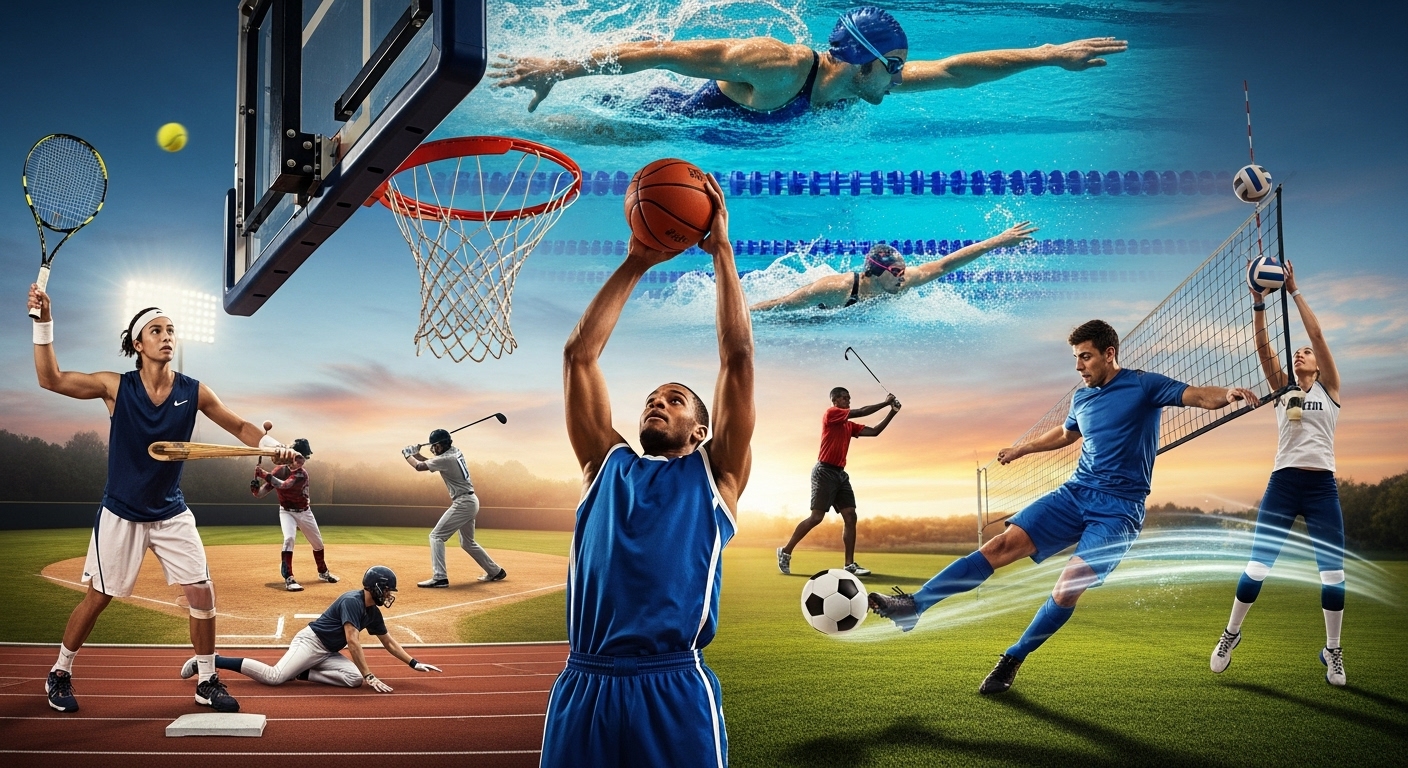
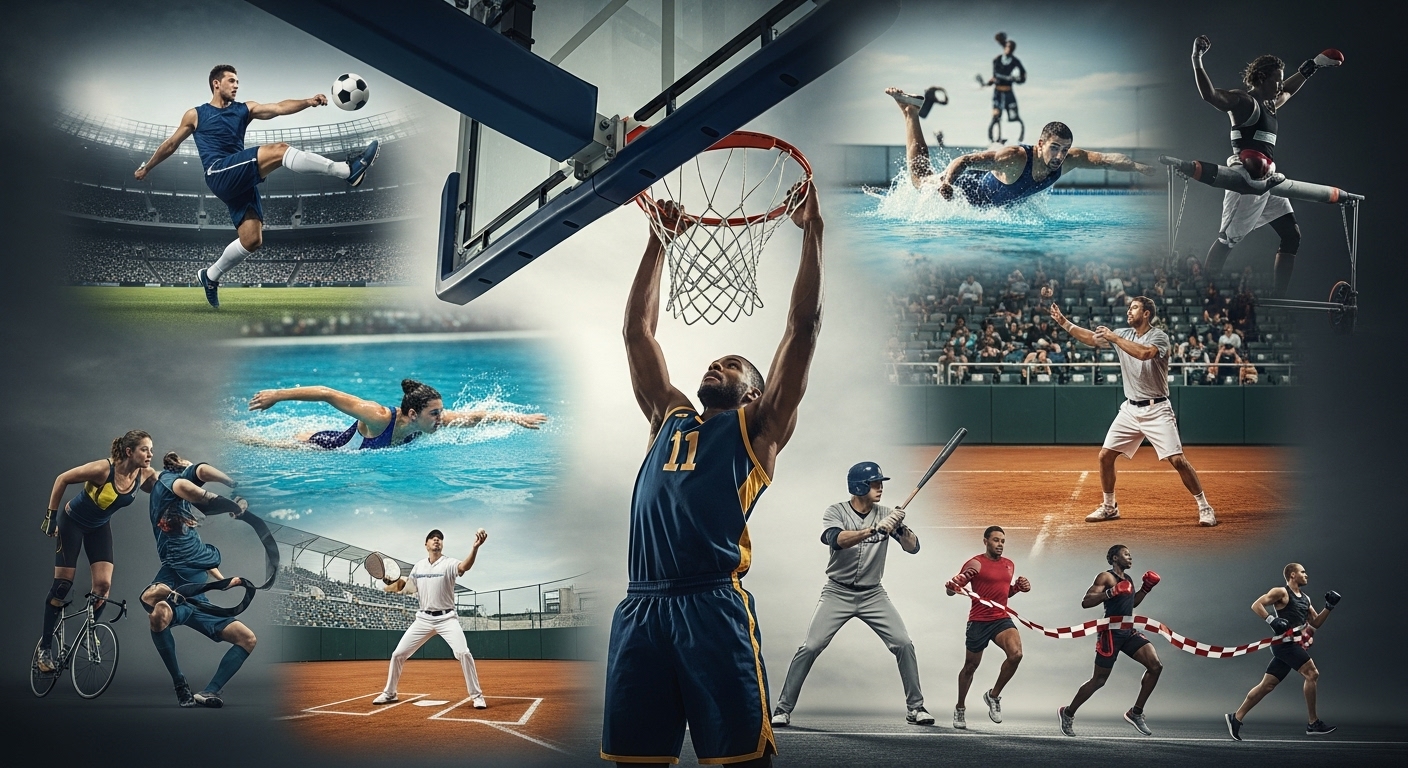
Sports are more than just games played on fields, courts, and arenas. They represent the spirit of competition, teamwork, dedication, and discipline that extend far beyond the final whistle. From the roar of the crowd to the silent focus of a lone athlete preparing for victory, sports have a way of connecting people across cultures, generations, and borders. They build character, teach resilience, and foster unity in ways that few other aspects of life can. In today’s world, where technology often isolates individuals, sports remain one of the most powerful tools to bring people together both physically and emotionally.
The History and Evolution of Sports
Sports have been part of human civilization since ancient times. The early Olympic Games in Greece were not just contests of strength and speed; they were celebrations of the human spirit. Ancient civilizations like Egypt, China, and Rome also developed games that tested agility, intelligence, and endurance. These early competitions laid the foundation for the modern sporting world, where the values of discipline, fairness, and respect remain central.
With industrialization and the spread of education, organized sports gained popularity in the 19th century. Football, cricket, basketball, and tennis became global phenomena, while other regional sports like baseball in America, rugby in Europe, and kabaddi in South Asia found passionate followers. The 20th century saw the professionalization of sports, as athletes became icons and sports evolved into massive industries generating global enthusiasm and economic opportunities.
Sports as a Reflection of Society
Sports mirror the culture and values of society. In many ways, they reflect humanity’s struggles, triumphs, and desire for excellence. During times of crisis, sports often become a source of hope. For example, major tournaments such as the Olympics or World Cups unite countries, providing moments of collective joy and pride. Sports can also challenge social norms and promote change. The inclusion of women in competitive sports, for instance, represents a significant step toward gender equality.
Similarly, sports have played a crucial role in breaking racial barriers. Athletes like Jackie Robinson, Serena Williams, and Usain Bolt have not only excelled in their respective fields but also stood as symbols of courage and progress. Their achievements remind the world that talent knows no boundaries of race or gender.
The Psychological Benefits of Sports
Sports are not only about physical strength but also about mental resilience. They teach individuals how to handle success and failure gracefully. Every athlete knows the sting of defeat and the joy of victory, and both experiences contribute to emotional maturity.
Participation in sports reduces stress and anxiety by releasing endorphins, the brain’s natural mood lifters. Regular physical activity helps improve concentration, self-esteem, and confidence. For children, sports serve as an outlet for energy and a platform to learn essential life skills such as teamwork, leadership, and time management. Adults, too, benefit from sports as they provide balance to the pressures of daily life.
The Role of Team Sports in Building Character
Team sports like football, basketball, and hockey go beyond competition; they build cooperation and communication skills. Every player learns to respect their teammates and understand the importance of working toward a shared goal. Winning a match requires unity, strategy, and trust. These qualities extend into other areas of life, making individuals better colleagues, leaders, and community members.
Furthermore, team sports foster empathy. Players learn to appreciate each other’s strengths and weaknesses, understanding that collective success is more important than individual glory. This attitude nurtures humility and gratitude—traits that are essential in building strong relationships both on and off the field.
The Influence of Individual Sports
While team sports emphasize cooperation, individual sports such as tennis, swimming, athletics, and gymnastics focus on self-discipline and personal growth. Athletes who compete individually carry the weight of both victory and defeat solely on their shoulders. This responsibility teaches accountability and perseverance.
Individual sports demand mental strength and consistent focus. Athletes train tirelessly to beat their own limits, proving that success often comes from personal determination rather than external validation. This self-motivation can inspire others to push their boundaries, whether in sports or in everyday life.
Sports and Education
Education and sports go hand in hand. A well-rounded education includes both academic learning and physical development. Schools that encourage sports often produce more confident and socially skilled students. Participating in school sports helps young people discover their talents and passions early in life.
Moreover, sports teach lessons that no textbook can. They encourage fair play, respect for rules, and the ability to accept outcomes gracefully. Educational institutions across the world now recognize the value of integrating sports into the curriculum to promote overall student well-being.
The Economic Impact of Sports
Sports have grown into one of the largest industries in the world. Major sporting events generate billions in revenue through sponsorships, broadcasting rights, merchandise, and tourism. Cities hosting events like the Olympics or the World Cup experience massive boosts in infrastructure development and job creation.
However, the economic benefits of sports go beyond major tournaments. Local and community sports also contribute to economies by supporting gyms, equipment manufacturing, coaching, and sports medicine industries. Sports inspire innovation in technology, health, and fitness sectors, driving continuous progress in society.
The Role of Technology in Modern Sports
Technology has revolutionized the way sports are played, watched, and analyzed. From wearable fitness trackers to advanced data analytics, technology enhances performance and reduces the risk of injury. Video replays and goal-line technologies ensure fair decisions, while digital platforms bring fans closer to their favorite teams and players.
Virtual reality and augmented reality are also transforming fan engagement. Supporters can now experience matches as if they were on the field. Social media allows athletes to share their journeys, building personal connections with global audiences. These advancements not only increase entertainment value but also make sports more inclusive and interactive.
The Importance of Sportsmanship
True greatness in sports is not measured by trophies alone but by character and integrity. Sportsmanship is the essence of every game. It teaches respect for opponents, referees, and the game itself. Athletes who win with humility and lose with grace set examples that inspire millions.
Good sportsmanship extends to fans as well. Supporters must remember that sports are about unity and celebration, not division or hostility. Healthy competition promotes mutual respect and lifelong friendships, proving that the ultimate victory lies in shared passion and love for the game.
The Challenges Facing Modern Sports
Despite the many positives, sports face challenges such as doping, corruption, and commercial exploitation. The pressure to win can sometimes lead athletes to make unethical choices. Organizations worldwide are working to ensure transparency and fairness in all sporting activities.
Another major concern is the mental health of athletes. Constant media scrutiny and performance pressure can lead to stress and burnout. It is essential to create environments that support athletes not just physically but emotionally and psychologically. The recent openness of athletes speaking about mental health has been a positive step toward building a healthier sports culture.
The Future of Sports
The future of sports promises even greater inclusivity and innovation. Esports, or competitive video gaming, is rapidly gaining global attention and recognition. Sustainable practices are being adopted to make sporting events environmentally friendly. The focus on mental well-being, diversity, and gender equality is shaping a more balanced sports world.
Sports will continue to evolve with society. As long as human beings strive for excellence and connection, the essence of sports will remain timeless. It will keep inspiring people to push boundaries, challenge limitations, and celebrate unity through shared experiences.
Conclusion
Sports are far more than a form of entertainment; they are a universal language that transcends differences and brings people together. They teach discipline, resilience, and respect—values that are essential for personal and social growth. Whether it is a child learning teamwork on a school playground, a professional athlete breaking records, or fans cheering passionately from the stands, sports remind us of our shared humanity.
In a rapidly changing world, the power of sports continues to be a constant source of inspiration. They unite nations, build friendships, and motivate individuals to be their best selves. The true victory of sports lies not in winning medals but in nurturing the human spirit—a spirit that thrives on passion, effort, and the endless pursuit of greatness.