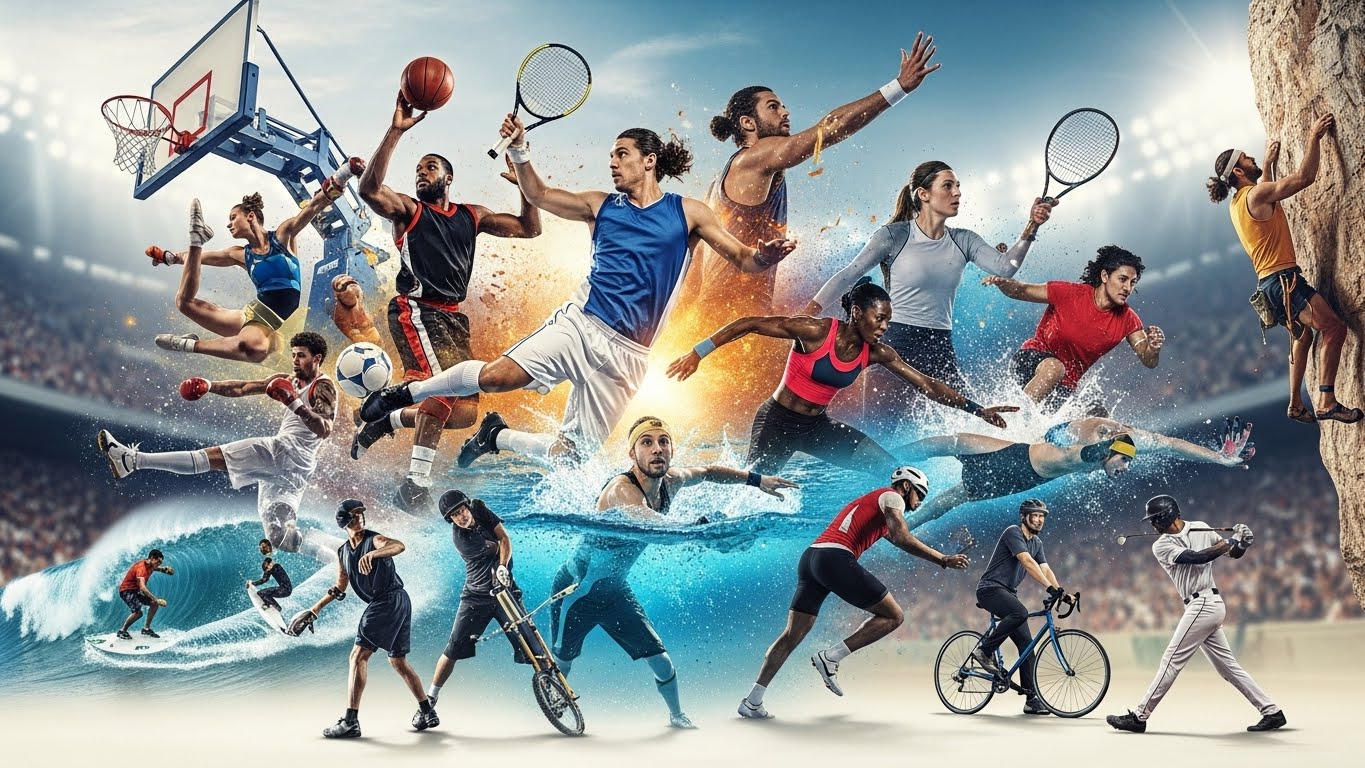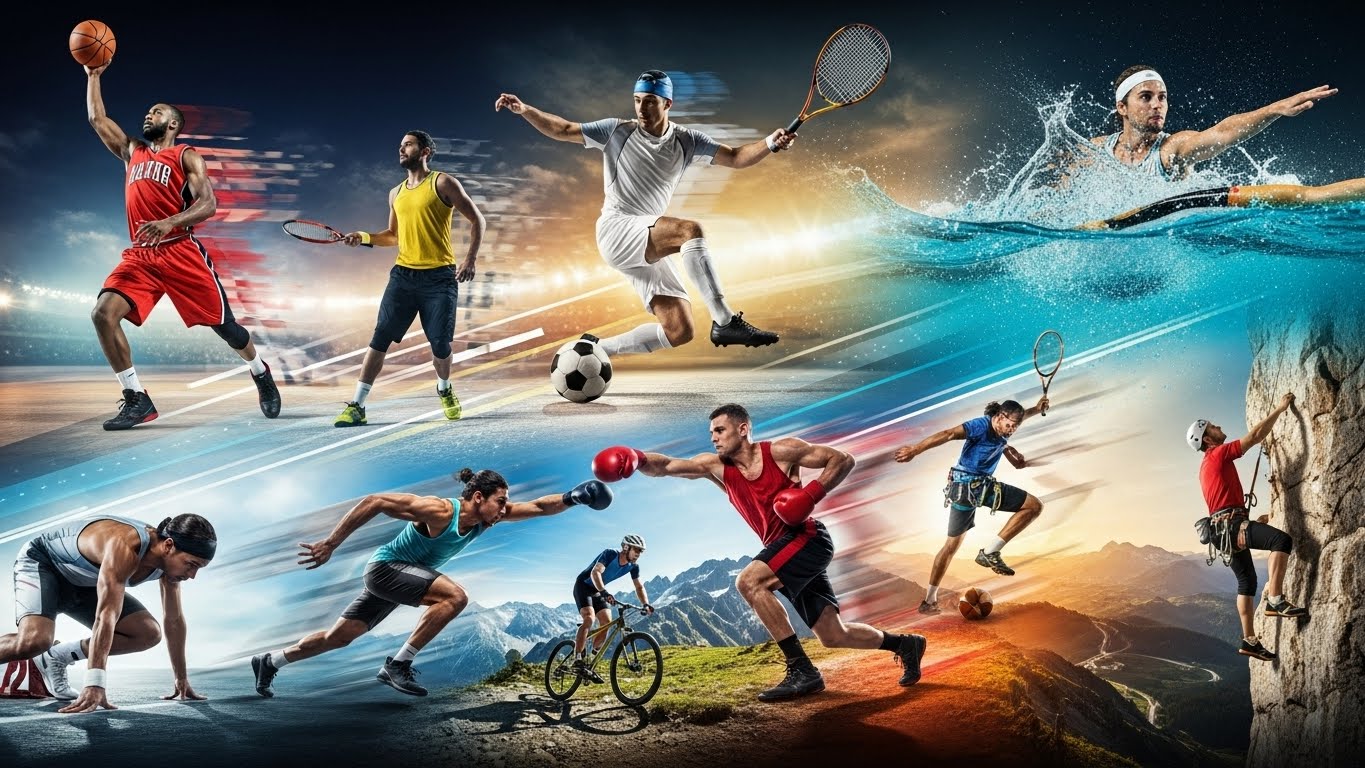

Sports have been an integral part of human civilization for centuries. They are not merely a source of entertainment but a reflection of culture, societal values, and human potential. From ancient Olympic games to modern-day professional leagues, sports have evolved, uniting people across borders, inspiring communities, and pushing the limits of human endurance.
In this blog post, we will explore the multifaceted world of sports, touching on their history, significance, various disciplines, the evolution of professional sports, the influence of technology, mental and physical health benefits, and the role sports play in society today.
The Historical Roots of Sports
The history of sports is as old as human civilization itself. Early humans engaged in physical activities not only for survival but also as a form of social engagement. Archery, hunting, and wrestling were common in prehistoric societies, often serving as training for combat.
Ancient civilizations such as the Egyptians, Greeks, and Romans institutionalized sports. The Greeks, for instance, introduced the Olympic Games in 776 BCE, emphasizing physical excellence, discipline, and honor. Meanwhile, Romans popularized gladiatorial games, which combined athleticism with entertainment. These early sports laid the foundation for modern athletic competitions.
Over time, sports diversified. Medieval Europe saw the rise of jousting and horseback tournaments, while Asia developed martial arts traditions such as kung fu and sumo wrestling. Each culture contributed uniquely, creating the rich tapestry of sports that exists today.
The Universal Appeal of Sports
Sports are unique in their universal appeal. Regardless of language, culture, or geography, people share a collective passion for athletic competition. This global resonance is driven by several factors.
Firstly, sports foster a sense of community. Fans rally around teams, celebrating victories and mourning defeats together. The camaraderie built through shared experiences strengthens social bonds and creates lifelong memories.
Secondly, sports embody narratives that transcend the game itself. Every match tells a story of effort, strategy, resilience, and sometimes unexpected triumph. Legendary athletes inspire millions, proving that dedication and hard work can overcome challenges.
Finally, sports are a celebration of human potential. They push boundaries, challenge limits, and provide a platform for individuals to showcase talent on a global stage. Whether it’s sprinting at the Olympics or performing in professional basketball, sports exemplify the heights of human achievement.
Major Categories of Sports
Sports are incredibly diverse, but they can generally be categorized into a few major types:
Team Sports
Team sports emphasize collaboration, strategy, and communication. Examples include football, basketball, cricket, and hockey. These sports teach players about leadership, teamwork, and sacrifice. Success is rarely the result of individual effort alone; the collective synergy of a team is paramount.
Individual Sports
In individual sports, the focus is on personal skill and performance. Athletics, swimming, gymnastics, and tennis are prime examples. These sports highlight personal discipline, resilience, and self-motivation. Athletes often train for years to perfect techniques that make the difference between victory and defeat.
Adventure and Extreme Sports
Extreme sports, such as rock climbing, skydiving, and surfing, attract thrill-seekers who embrace risk for excitement. These sports test both physical endurance and mental fortitude. Adventure sports combine skill, courage, and a connection with nature, offering experiences that are as much about exploration as they are about competition.
Combat Sports
Combat sports like boxing, martial arts, wrestling, and mixed martial arts (MMA) test strength, technique, and strategy in controlled settings. These sports emphasize discipline, respect, and mastery over one’s body, often drawing on centuries-old traditions.
Recreational and Fitness Sports
Beyond professional arenas, recreational sports such as jogging, cycling, and yoga play a crucial role in everyday life. They provide health benefits, stress relief, and social interaction, highlighting the role of sports in holistic well-being.
The Evolution of Professional Sports
The professionalization of sports is a relatively modern phenomenon. While amateur competitions existed for centuries, the 19th and 20th centuries saw the rise of organized leagues, tournaments, and commercialization.
In football, the establishment of structured leagues transformed local clubs into global brands. Cricket experienced a similar revolution with the advent of international tours and the professionalization of players. Basketball, hockey, and tennis also saw exponential growth as televised competitions brought athletes into the homes of millions.
Professional sports today are not only about athletic skill but also strategy, management, and marketing. Sports organizations manage sponsorships, merchandise, and media rights, creating economic ecosystems that impact millions of people worldwide.
Technology and Sports: A Modern Revolution
Technology has transformed sports in unprecedented ways. Equipment advancements enhance safety and performance, while analytics provide insights that were unimaginable a few decades ago.
In football, goal-line technology ensures fair play. In cricket, the Decision Review System (DRS) helps umpires make accurate calls. Wearable technology in athletics tracks heart rate, speed, and biomechanics, allowing athletes to optimize performance.
Moreover, digital platforms have revolutionized fan engagement. Streaming services, social media, and virtual reality bring fans closer to the action than ever before. Technology not only improves fairness and performance but also strengthens the connection between athletes and audiences worldwide.
Mental and Physical Health Benefits
Participation in sports offers immense physical and mental health benefits. Regular activity improves cardiovascular health, builds strength, and enhances flexibility. Beyond physical fitness, sports boost mental resilience, focus, and emotional regulation.
Engaging in sports reduces stress, anxiety, and depression. The discipline and structure of training instill confidence, goal-setting skills, and perseverance. Team sports enhance social skills, while individual sports foster self-awareness and independence.
Furthermore, sports provide constructive outlets for energy and emotions, especially for young people. Participation encourages positive habits, discourages sedentary lifestyles, and cultivates lifelong appreciation for fitness and wellness.
Sports as a Catalyst for Social Change
Sports hold the power to transcend societal boundaries and drive social change. Historically, athletes have used their platforms to address inequality, discrimination, and injustice. Icons like Muhammad Ali, Billie Jean King, and Nelson Mandela demonstrated how sports can influence politics, culture, and human rights.
Community programs leverage sports to address social issues such as youth development, education, and inclusion. Sports initiatives promote teamwork, discipline, and leadership among participants, offering pathways to personal and social growth.
International events, such as the Olympics and the FIFA World Cup, foster cultural exchange and global solidarity. Athletes from diverse backgrounds showcase the unifying power of sports, inspiring millions to celebrate differences while pursuing common goals.
Iconic Athletes Who Changed the Game
No discussion of sports is complete without mentioning the legends who redefined the field.
- Michael Jordan revolutionized basketball with his skill, determination, and charisma. His influence extended beyond the court, shaping sports marketing and inspiring future generations.
- Serena Williams transformed tennis with her unmatched talent, resilience, and advocacy for equality. Her dominance on the court challenged stereotypes and inspired countless young athletes.
- Usain Bolt brought unparalleled speed to track and field, captivating the world with his record-breaking performances.
- Pelé and Lionel Messi exemplify football excellence, showcasing artistry, precision, and dedication that transcends generations.
These athletes demonstrate that sports are not only about winning but also about leaving a lasting legacy, inspiring fans, and shaping culture.
The Role of Sports in Education
Sports are essential in educational settings, promoting holistic development. Schools and universities incorporate athletics to teach teamwork, leadership, discipline, and time management. Student-athletes learn to balance academics and training, developing skills that extend beyond the classroom.
Competitive sports in schools also create opportunities for scholarships, professional careers, and personal growth. Extracurricular sports foster a sense of belonging and engagement, encouraging students to strive for excellence in multiple areas of life.
Challenges Facing Modern Sports
Despite their many benefits, sports face numerous challenges. Corruption, match-fixing, doping, and commercialization threaten the integrity of competitions. The intense pressure on athletes can lead to physical injuries, mental health struggles, and burnout.
Furthermore, gender inequality persists in many sports, with disparities in pay, recognition, and opportunities. Access to sports remains uneven globally, with socioeconomic factors limiting participation for many talented individuals.
Addressing these challenges requires collective action from governing bodies, athletes, communities, and fans. Transparency, ethical practices, and inclusive policies are essential to preserving the spirit and fairness of sports.
The Future of Sports
The future of sports is poised for exciting transformations. Advances in technology, such as virtual reality, artificial intelligence, and data analytics, will reshape training, fan engagement, and competition. Esports and digital gaming are expanding the definition of athleticism, attracting new audiences and redefining entertainment.
Sustainability will become a priority, with sports organizations adopting environmentally friendly practices and promoting social responsibility. Globalization will continue to bring diverse cultures together, while innovation will ensure that sports remain relevant and inspiring for generations to come.
Conclusion: More Than Just a Game
Sports are far more than a pastime or a competitive endeavor—they are a reflection of human ambition, creativity, and resilience. They unite communities, inspire individuals, and push the boundaries of what we perceive as possible.
From ancient rituals to modern stadiums, sports have continually evolved, adapting to societal changes while retaining their core essence: the celebration of skill, effort, and the human spirit. Whether played professionally or recreationally, sports teach lessons that extend beyond the field—lessons of perseverance, teamwork, discipline, and joy.
As we look to the future, one thing is certain: sports will continue to captivate, challenge, and inspire, serving as a timeless testament to the power of human potential.