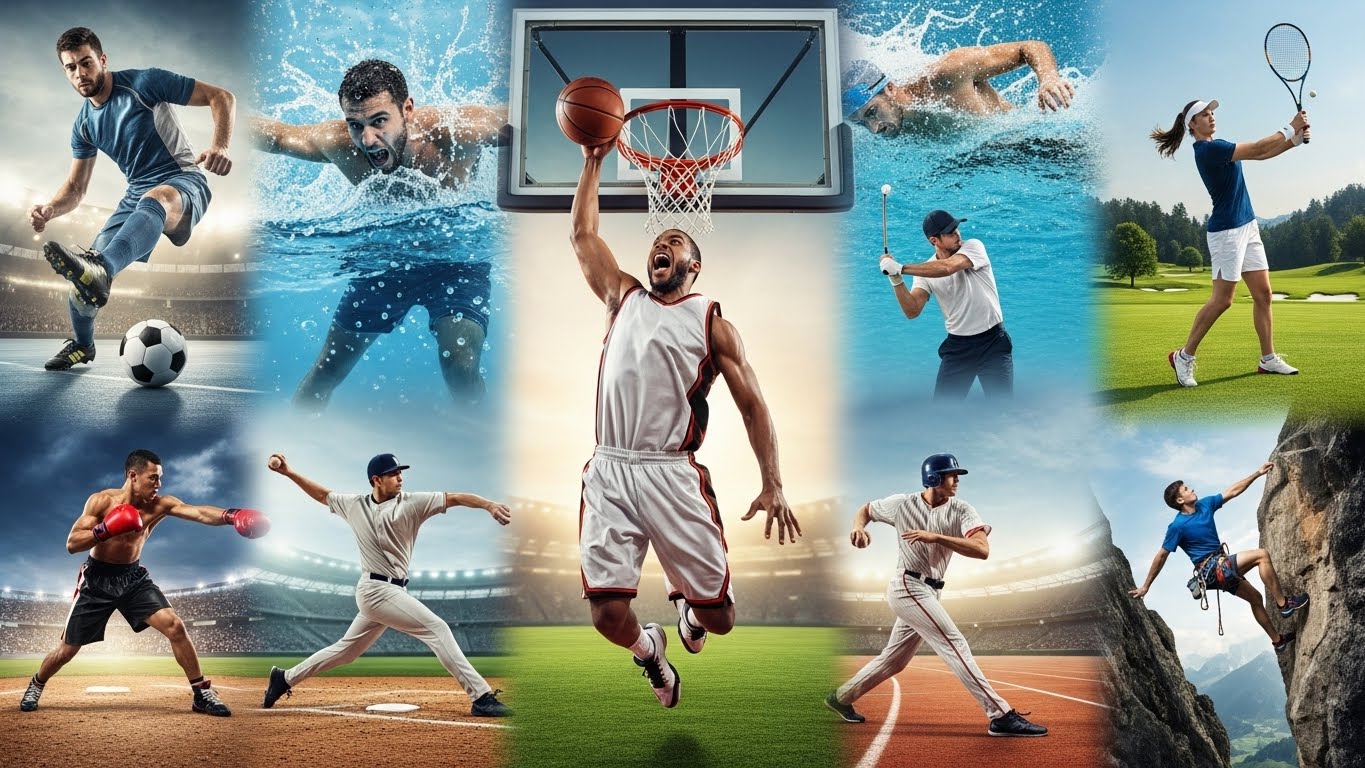
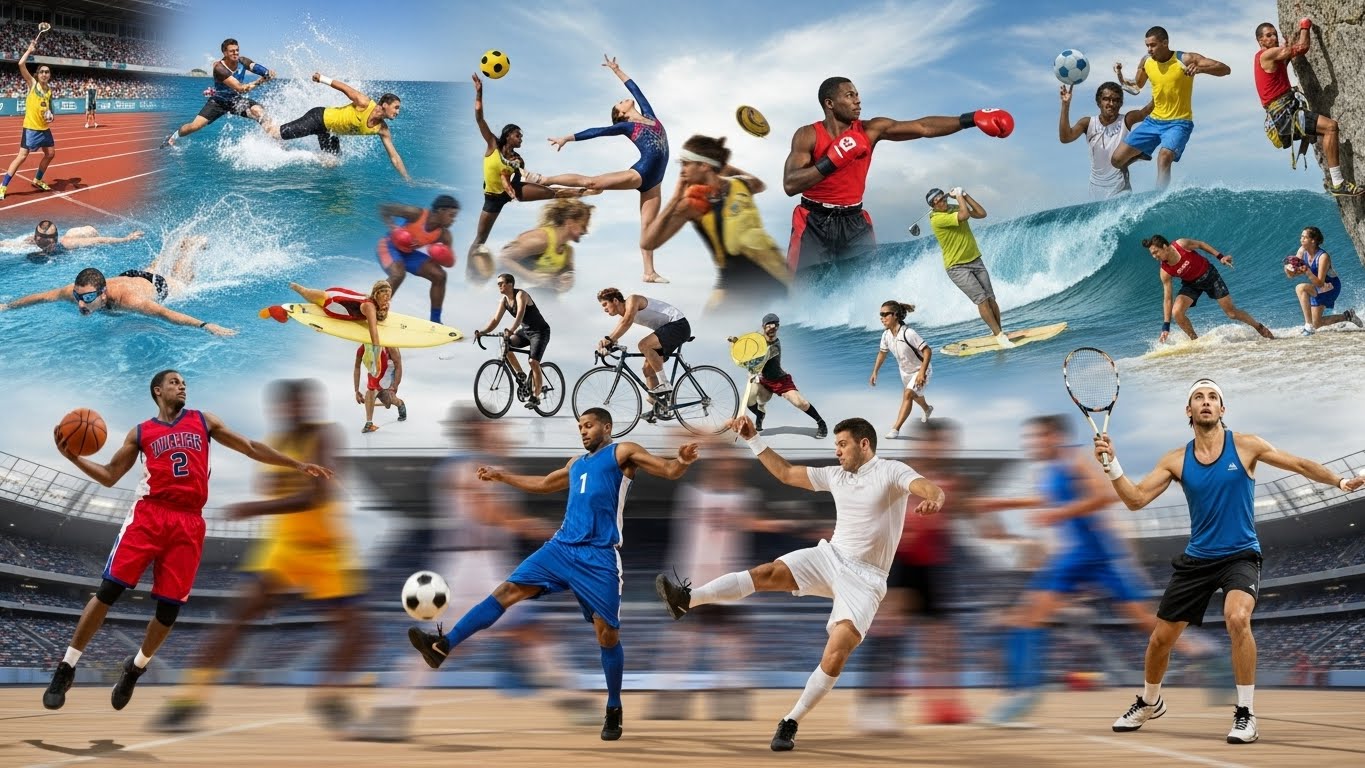
Sports have always been an integral part of human society, shaping culture, inspiring individuals, and fostering a sense of unity. They are more than games played on fields or courts; sports are a reflection of human resilience, determination, and creativity. Across the globe, people engage in sports for entertainment, competition, health, and personal growth. The influence of sports reaches far beyond the scoreboard, affecting mental well-being, social connections, cultural identity, and even economies. In this blog post, we explore the multiple dimensions of sports and how they shape lives and communities in remarkable ways.
The Physical Benefits of Sports
The most apparent impact of sports is on physical health. Regular participation in sports strengthens muscles, improves cardiovascular fitness, enhances flexibility, and sharpens coordination. Physical activity reduces the risk of chronic diseases such as obesity, diabetes, and heart-related conditions. It also improves metabolism, boosts immunity, and contributes to a longer, healthier life. For children, engaging in sports from a young age promotes proper growth, builds endurance, and establishes lifelong habits for health and fitness.
Sports also encourage consistency and discipline in lifestyle choices. Athletes learn to manage their diets, exercise routines, and rest schedules to optimize performance. Even recreational sports provide structure, motivating individuals to stay active and maintain their physical well-being. The benefits extend beyond immediate health improvements, creating habits that contribute to long-term vitality.
Mental Health and Cognitive Development
While the physical benefits of sports are widely recognized, their impact on mental health is equally profound. Engaging in sports releases endorphins, natural chemicals that elevate mood and reduce stress. Regular physical activity can alleviate symptoms of anxiety and depression, offering a constructive outlet for emotions. Participating in sports also promotes self-confidence, providing a sense of achievement and purpose.
Cognitive skills are enhanced through sports as well. Many games require strategy, critical thinking, and quick decision-making. Team sports, in particular, demand communication, coordination, and adaptability, strengthening mental agility. Sports stimulate focus and problem-solving skills, and even recreational participation encourages mental resilience and improved concentration. These benefits illustrate how sports nurture both body and mind, fostering well-rounded development.
Character Building Through Sports
Sports are a powerful tool for character development. They teach discipline, perseverance, teamwork, and leadership. Athletes learn to set goals, handle failure, and stay committed to improvement. The lessons learned on the field often translate to everyday life, instilling resilience and determination.
Integrity and fairness are core values reinforced through sports. Players must adhere to rules, respect opponents, and accept outcomes with humility. Learning to handle both victory and defeat gracefully contributes to emotional intelligence. Sports also cultivate empathy, patience, and respect, qualities essential for personal growth and harmonious social interaction. By navigating challenges in a controlled environment, individuals develop the skills necessary to face real-life obstacles with confidence and maturity.
Social Connections and Community Impact
One of the most remarkable aspects of sports is their ability to bring people together. They create opportunities for social interaction, teamwork, and mutual support. Local sports clubs, amateur leagues, and community events foster a sense of belonging and strengthen social bonds. Shared experiences of competition and collaboration build friendships and trust, promoting social cohesion.
On a broader scale, sports unite entire communities and nations. International tournaments and major sporting events generate shared excitement and pride, transcending cultural, social, and political differences. Even casual recreational sports encourage interaction among diverse groups, promoting inclusivity and understanding. Through sports, individuals discover common ground, strengthen social networks, and contribute to a more connected and supportive society.
Sports and Education
Integrating sports into educational systems provides significant benefits. Participation in school sports improves physical fitness, encourages discipline, and enhances academic performance. Studies indicate that students involved in sports often develop better concentration, time management skills, and a strong work ethic. Sports complement traditional education by fostering life skills that extend beyond the classroom.
Sports programs also promote inclusivity and equal opportunity. Students from varied backgrounds gain access to platforms where talent and dedication matter more than socio-economic status. Exposure to team environments teaches collaboration, leadership, and responsibility, preparing students for challenges in adulthood. By combining physical activity with personal development, sports in education nurture well-rounded individuals equipped to succeed in multiple areas of life.
Cultural Significance of Sports
Sports are deeply embedded in culture and tradition. They reflect societal values, inspire creativity, and influence lifestyles. Many sports carry historical significance, connecting communities with their heritage and identity. Traditional games often celebrate local customs, while modern sports bridge global cultures, creating shared experiences worldwide.
Athletes often become role models, inspiring communities with their achievements and dedication. Sporting events motivate individuals to pursue excellence, instill pride, and reinforce cultural identity. Beyond performance, sports also influence music, art, fashion, and media, leaving an indelible mark on society. They serve as a cultural unifier, promoting understanding and appreciation among diverse populations.
Economic Influence of Sports
Sports have a notable impact on economies. Professional leagues, tournaments, and sporting events generate significant revenue through ticket sales, merchandising, broadcasting, and sponsorship. Local economies benefit from tourism, hospitality, and infrastructure development linked to sports. Major events like international competitions provide employment opportunities and stimulate business growth.
Additionally, sports encourage entrepreneurship and innovation. Athletic brands, training facilities, and equipment manufacturing create industries that support athletes and enthusiasts alike. The economic influence of sports extends beyond professional arenas, contributing to the livelihoods of millions and promoting community development.
Sports and Technology
Technology has transformed the way sports are played, viewed, and managed. Advanced training equipment, performance analytics, and wearable devices help athletes optimize their skills and monitor health. Innovations such as instant replay, video analysis, and virtual simulations enhance fairness and strategy. Technology also enhances fan engagement, offering immersive experiences through live broadcasts, digital platforms, and interactive content.
The integration of technology in sports demonstrates adaptability and progress. It ensures that sports evolve to meet contemporary demands while preserving the essence of competition and teamwork. As technology continues to advance, sports will become more inclusive, data-driven, and accessible to wider audiences.
Sports as a Source of Inspiration
Sports inspire individuals to reach their full potential. Stories of athletes overcoming challenges, breaking records, and achieving excellence motivate people to pursue their dreams. The dedication, resilience, and determination demonstrated by sports figures resonate across generations.
Moreover, sports teach that effort, discipline, and perseverance matter as much as talent. Achievements are rarely instant; they result from consistent practice, focus, and mental strength. By celebrating success and learning from setbacks, sports encourage individuals to cultivate patience, optimism, and a growth mindset. The lessons of sports extend far beyond the field, influencing careers, relationships, and personal development.
The Future of Sports
The future of sports promises innovation, inclusivity, and sustainability. Virtual and augmented reality may transform training and fan experiences, creating immersive ways to engage with games. Sustainability efforts will make sporting events and facilities environmentally friendly, reducing carbon footprints and promoting awareness. Inclusivity initiatives will ensure opportunities for women, differently-abled individuals, and underrepresented groups to participate fully.
Sports will continue to unite communities globally. Youth programs, cultural exchanges, and international competitions promote understanding and peace. As sports evolve, they will maintain their fundamental role in shaping human character, building communities, and inspiring generations.
Conclusion
Sports are far more than competitions; they are a force that transforms individuals and societies. From physical and mental health benefits to character development, cultural significance, and economic impact, sports shape lives in countless ways. They teach discipline, resilience, teamwork, and empathy, fostering personal growth and social harmony. Sports inspire people to pursue excellence, overcome obstacles, and celebrate achievements together. In embracing sports, we nurture healthier, stronger, and more connected communities, highlighting the enduring power of play to enrich human life.