Introduction
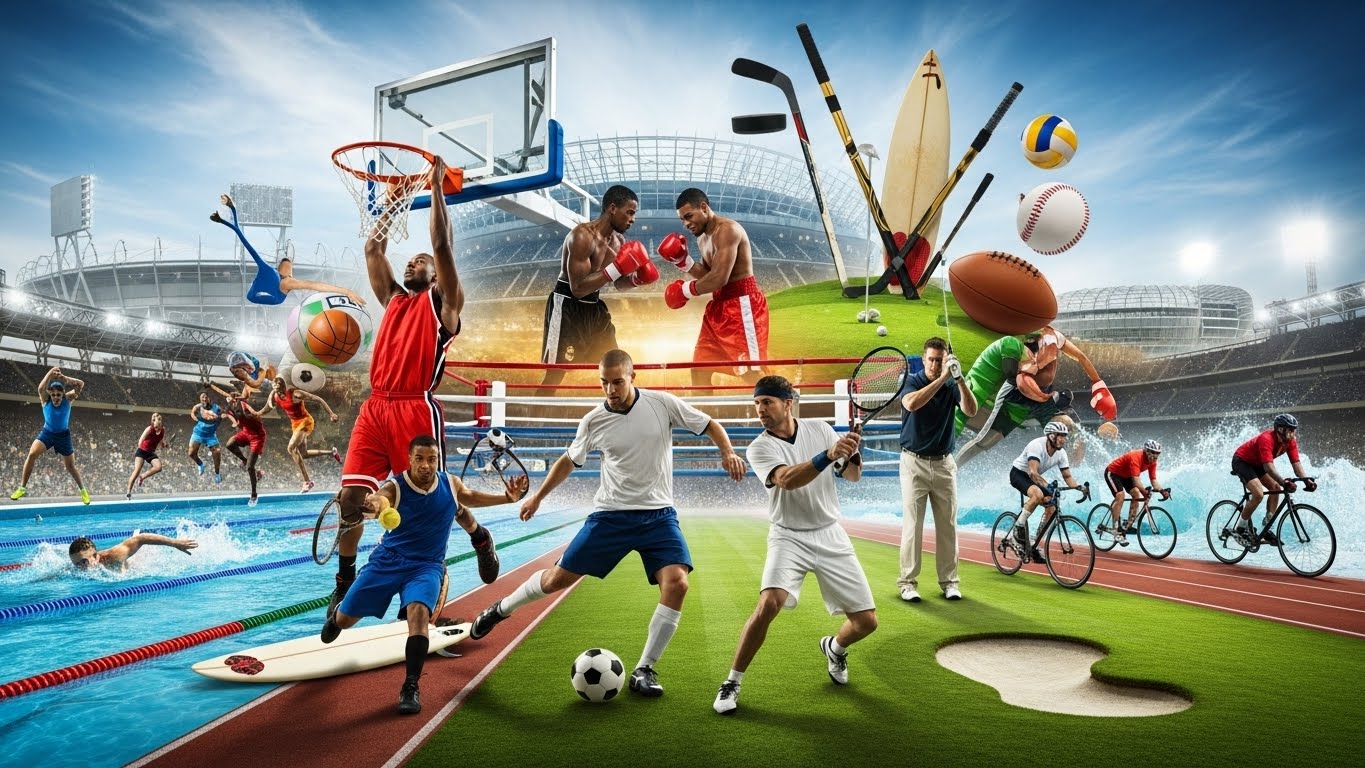
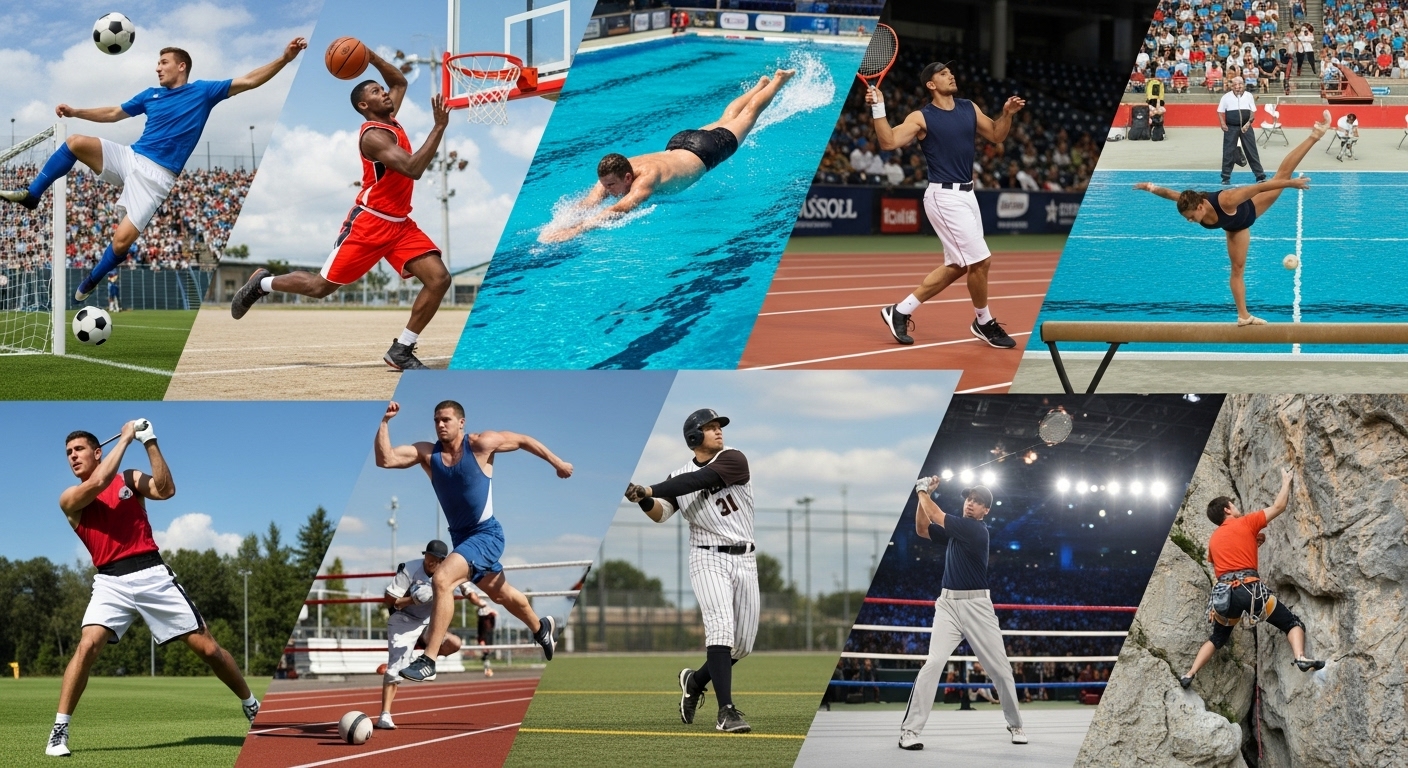
Sports have always been an integral part of human civilization. From ancient Olympic games to modern international tournaments, sports have served as a reflection of human ambition, skill, and resilience. They are far more than competitions; they are platforms for personal growth, social connection, cultural expression, and global unity. In this blog, we will explore the multifaceted impact of sports, highlighting their significance in health, mental well-being, society, culture, and beyond.
The Universal Language of Sports
One of the most remarkable features of sports is its universality. People from different countries, cultures, and languages can connect through shared enthusiasm for athletic endeavors. A cricket match in India can stir excitement in households thousands of miles away in England. Football tournaments in South America capture global attention, illustrating the unifying power of sports.
Sports communicate emotion and effort in a way words cannot. They foster a sense of belonging and community, creating shared experiences across borders. Whether cheering for a local team or watching an international competition, people participate in a global dialogue of passion, determination, and celebration.
Physical Health Benefits of Sports
Sports are essential for maintaining and improving physical health. Regular participation enhances cardiovascular fitness, strengthens muscles, improves flexibility, and promotes overall endurance. Different sports target different aspects of physical fitness. Swimming, for instance, develops both cardiovascular strength and muscular endurance, while activities like gymnastics improve balance, coordination, and flexibility.
Moreover, sports help in the prevention of chronic illnesses. Consistent physical activity reduces the risk of heart disease, diabetes, obesity, and high blood pressure. Unlike routine exercise, sports make fitness enjoyable and engaging, encouraging long-term commitment to healthy lifestyles.
Mental Resilience and Sports
Sports are as much a mental exercise as a physical one. Athletes must develop discipline, focus, patience, and resilience to succeed. Every challenge faced during training or competition teaches lessons about perseverance and mental toughness. Losing a game, facing setbacks, or encountering obstacles provides opportunities to grow stronger and more determined.
The mental benefits of sports extend to stress relief and emotional well-being. Physical activity releases endorphins, enhancing mood and reducing anxiety. Sports also improve concentration, problem-solving abilities, and self-confidence, equipping individuals to handle challenges in various areas of life.
Sports as a Social Connector
Sports bring people together in ways few other activities can. Teams cultivate cooperation, trust, and leadership skills among players. Fans form communities based on shared enthusiasm, creating bonds through discussion, support, and collective celebration. Sports also promote values such as teamwork, respect, and fair play, which are vital for both personal and social development.
Furthermore, community sports initiatives foster inclusivity and social cohesion. Local tournaments and grassroots programs encourage participation regardless of age, gender, or background, helping communities grow stronger and more connected.
Youth Development Through Sports
For young people, sports are an essential tool for growth and development. Participation in athletics teaches responsibility, discipline, time management, and goal-setting. Children and teenagers learn to handle success and failure, communicate effectively, and work collaboratively.
Sports also instill healthy habits from an early age, reducing sedentary behavior and promoting long-term fitness. Exposure to positive role models through coaches, senior teammates, and professional athletes inspires ambition, perseverance, and self-confidence. Additionally, youth involvement in sports can open doors to educational opportunities, scholarships, and future careers in athletics or related fields.
Cultural Significance of Sports
Sports are deeply intertwined with culture and identity. They carry historical and societal meaning, reflecting national pride, values, and traditions. Cricket is an intrinsic part of Indian culture, while football embodies passion and pride in countries like Brazil and Argentina. Martial arts in Japan and taekwondo in Korea highlight the intersection of athleticism and cultural heritage.
Major sports events often become cultural celebrations, where nations showcase talent, unity, and pride. Athletes serve as cultural ambassadors, representing not just their teams, but the spirit and values of their communities. Sports also influence music, fashion, language, and social trends, shaping society beyond the stadium.
Economic Influence of Sports
Sports have a significant economic impact. From professional athletes and coaches to broadcasters, marketers, and event organizers, the sports industry generates millions of jobs worldwide. Large tournaments and leagues stimulate local economies by attracting tourism, sponsorships, and infrastructure investments.
Sports facilities, such as stadiums, training centers, and arenas, create long-term employment opportunities and encourage community development. Beyond the direct financial benefits, sports also drive innovation, media, and entertainment, making it a dynamic contributor to global economies.
The Emotional Power of Sports
Sports evoke a wide range of emotions, from elation to disappointment. The joy of victory and the pain of defeat teach empathy, resilience, and humility. The emotional intensity experienced by athletes and fans alike creates lasting memories, uniting people through shared experiences.
Triumph instills pride, motivation, and a sense of achievement, while defeat encourages reflection, improvement, and determination. The emotional journey of sports mirrors life itself, teaching lessons about persistence, patience, and the pursuit of excellence.
Sports and Personal Growth
Engaging in sports promotes holistic development. Athletes cultivate leadership, decision-making, problem-solving, and strategic thinking. Consistent training encourages self-discipline, goal orientation, and accountability.
Sports also foster creativity and adaptability. Athletes must constantly adjust strategies and techniques, honing skills that are transferable to professional and personal life. By navigating successes and failures, individuals develop confidence, resilience, and the ability to tackle challenges effectively.
Inclusivity and Accessibility in Sports
In recent years, efforts to make sports more inclusive have gained momentum. Initiatives promoting women’s participation, adaptive sports for differently-abled individuals, and community programs for underprivileged groups have transformed sports into a more accessible space.
Inclusivity enhances competition, diversity, and innovation. By providing opportunities for everyone, sports emphasize that talent, effort, and dedication matter more than background, physical ability, or gender. Inclusive sports empower individuals, challenge stereotypes, and foster equality.
The Future of Sports
The future of sports promises exciting advancements. Technology and innovation are shaping athletic performance, training methods, and fan engagement. Wearable devices, performance analytics, and virtual training programs help athletes achieve peak performance while reducing injury risks.
Additionally, esports and digital sports are expanding the definition of athletic competition, attracting new audiences worldwide. Despite these advancements, the essence of sports remains unchanged: passion, effort, teamwork, and the human drive to excel. The next generation of athletes will continue to inspire, unite, and transform societies.
Conclusion
Sports are more than competitions—they are life lessons, cultural expressions, social connectors, and sources of inspiration. They strengthen the body, sharpen the mind, and foster emotional intelligence. They teach resilience through challenges, humility in defeat, and joy in achievement.
Whether as an athlete, a coach, a fan, or a supporter of community sports initiatives, engagement in sports enriches lives. It reminds us of the value of dedication, the power of teamwork, and the joy of shared experiences. Sports are a celebration of human potential, creativity, and unity, shaping individuals and communities for generations to come.