
Introduction: The Universal Language of Sports
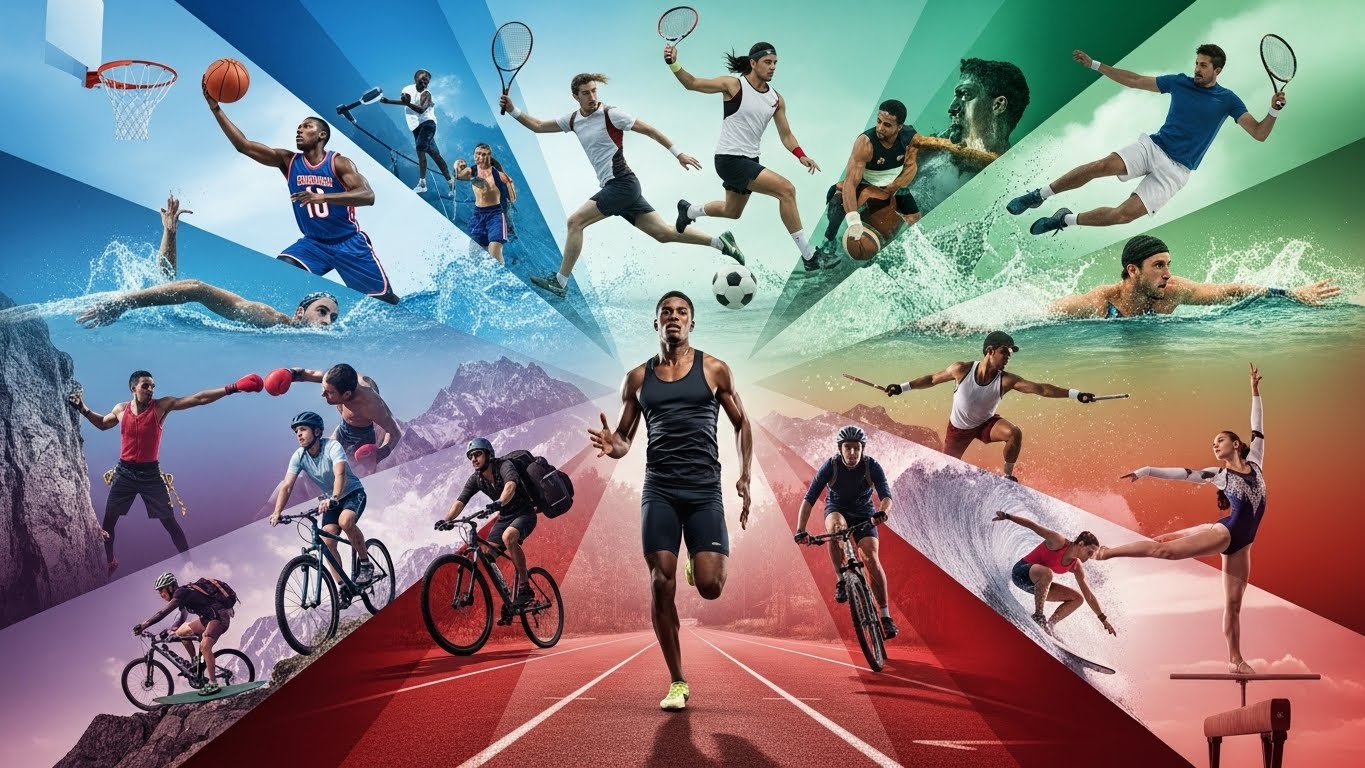
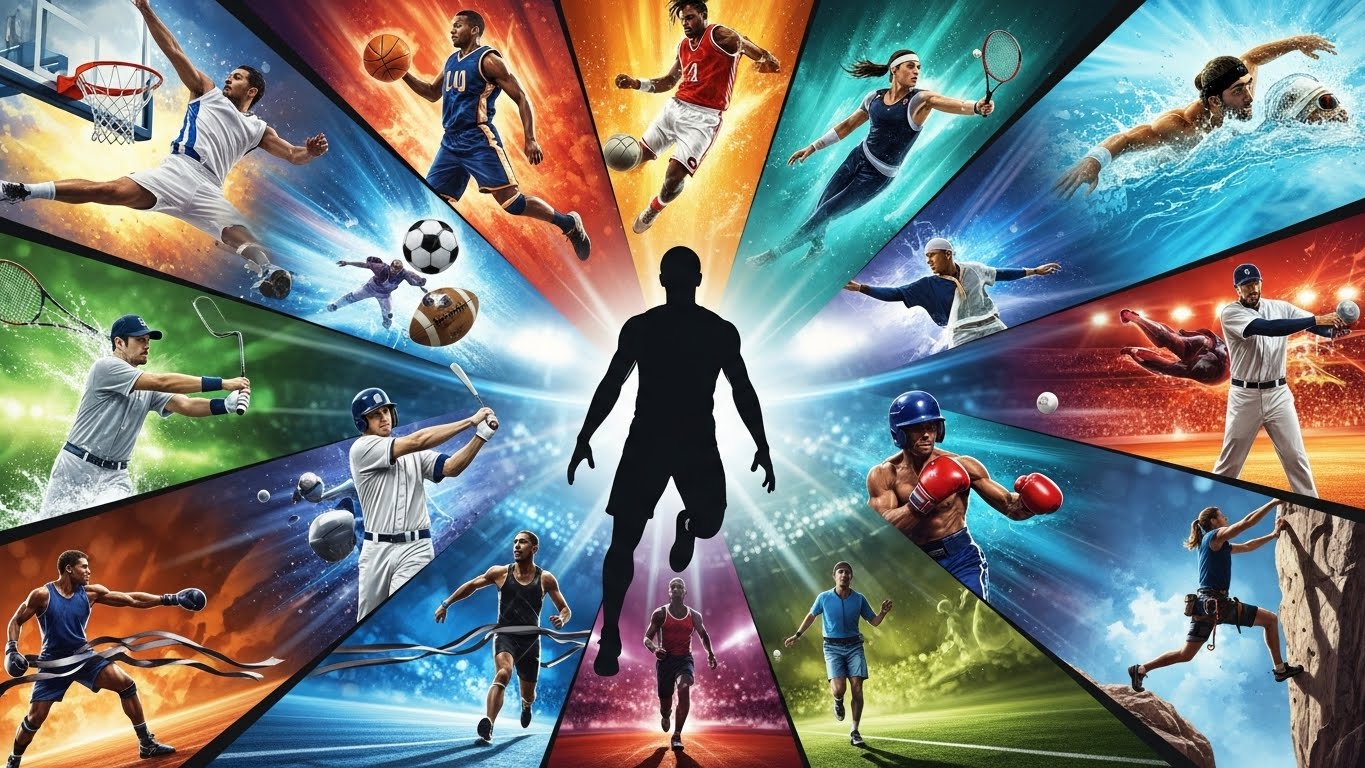
Sports have been an integral part of human civilization for centuries. From ancient Olympic Games in Greece to modern-day international tournaments, sports serve as more than just competition—they are a reflection of culture, determination, and the human spirit. Across continents and generations, sports connect people, inspire communities, and cultivate values such as teamwork, discipline, and perseverance. In today’s fast-paced world, the significance of sports goes beyond physical activity; it influences social, economic, and even political landscapes.
The Historical Evolution of Sports
The history of sports dates back thousands of years. Ancient civilizations engaged in activities ranging from wrestling and chariot racing to ball games and archery. These early competitions were often linked to religious ceremonies, military training, or social celebrations. Over time, sports evolved with societies, becoming organized and codified. The modern Olympic Games, revived in 1896, symbolized the internationalization of sports and laid the foundation for global competitions. Today, sports encompass a vast array of activities, each with its own rules, techniques, and cultural significance.
Types of Sports and Their Appeal
Sports can broadly be classified into several categories:
Team Sports – These include football, basketball, cricket, and hockey. Team sports emphasize cooperation, strategy, and communication. They teach individuals how to work collectively toward a common goal while balancing personal performance.
Individual Sports – Tennis, swimming, athletics, and gymnastics fall into this category. Individual sports test personal skill, resilience, and mental fortitude. Athletes learn to set personal goals, manage pressure, and remain disciplined.
Adventure and Extreme Sports – Activities such as rock climbing, surfing, skateboarding, and snowboarding cater to thrill-seekers. These sports challenge physical limits and demand courage, focus, and adaptability.
Mind and Precision Sports – Chess, shooting, archery, and golf are examples where mental focus and precision are paramount. Success depends on concentration, strategic thinking, and patience.
Each type of sport attracts participants and spectators for unique reasons. Some seek adrenaline, others enjoy teamwork, while many appreciate the discipline and challenge involved.
Physical and Mental Benefits of Sports
Engaging in sports offers significant physical benefits. Regular participation improves cardiovascular health, strengthens muscles and bones, enhances flexibility, and reduces the risk of chronic diseases. Beyond physical fitness, sports promote mental well-being. They help reduce stress, build resilience, boost confidence, and encourage a positive mindset. The combination of physical exertion and mental focus in sports contributes to overall health, making them a vital component of a balanced lifestyle.
Sports as a Tool for Personal Development
Sports teach life skills that extend beyond the playing field. They instill discipline, time management, leadership, and teamwork. Athletes learn to handle success and failure gracefully, developing emotional intelligence and perseverance. Competitive sports teach individuals to set realistic goals, work systematically, and adapt to challenges. These skills are transferable to careers, education, and personal relationships, making sports an essential aspect of personal development.
The Role of Sports in Education
Schools and universities have long recognized the educational value of sports. Physical education programs introduce students to various activities, fostering healthy habits from an early age. Collegiate sports provide opportunities for scholarships, leadership development, and community engagement. Participation in school and university competitions promotes camaraderie, school spirit, and a sense of achievement. Beyond academics, sports teach students the importance of practice, dedication, and balancing multiple responsibilities.
The Economic Impact of Sports
Sports are also a major economic driver worldwide. They generate revenue through ticket sales, broadcasting rights, sponsorships, merchandise, and advertising. Professional leagues and tournaments create employment opportunities for athletes, coaches, trainers, event organizers, and marketers. The sports industry contributes significantly to tourism, as international events attract visitors and stimulate local economies. In addition, investments in sports infrastructure promote urban development and enhance community facilities.
Sports and Society: Building Community and Culture
Sports play a pivotal role in shaping society and culture. They bring people together, transcending language, ethnicity, and social background. Local teams foster community pride, while international competitions create shared experiences and national identity. Sports events often serve as platforms for social change, highlighting issues such as equality, inclusivity, and health awareness. Cultural rituals, fan traditions, and celebrations surrounding sports demonstrate their power to unite and inspire.
Women in Sports: Breaking Barriers
Historically, sports were dominated by men, but the participation of women has grown exponentially. Female athletes have achieved remarkable feats, challenging stereotypes and inspiring future generations. Initiatives promoting gender equality in sports have increased opportunities for women in both amateur and professional arenas. Women’s achievements in sports demonstrate resilience, skill, and dedication, proving that talent knows no gender.
Technology and Innovation in Sports
The integration of technology has revolutionized sports. Advanced equipment, performance tracking devices, and analytics enhance training and strategy. Video-assisted refereeing systems ensure fair play, while virtual reality and simulations allow athletes to practice in controlled environments. Social media and digital platforms have transformed how fans engage with sports, offering real-time updates, highlights, and interactive experiences. Technology continues to push the boundaries of athletic performance and fan participation.
Challenges Facing the World of Sports
Despite its many benefits, sports face challenges. Issues such as doping, corruption, and match-fixing threaten the integrity of competitions. Injuries and mental health concerns among athletes are growing areas of concern. Unequal access to sports facilities and training limits opportunities for marginalized communities. Addressing these challenges is crucial to maintaining the credibility, safety, and inclusivity of sports globally.
The Globalization of Sports
In today’s interconnected world, sports have a global reach. International tournaments like the World Cup, Olympics, and major league championships attract viewers from every continent. Globalization allows athletes to compete in foreign leagues, share techniques, and exchange cultural experiences. This global exposure strengthens international relations and fosters mutual respect among nations. Sports, in essence, have become a universal language that unites people worldwide.
The Future of Sports
The future of sports is poised for continuous evolution. Emerging technologies, changing societal trends, and increased awareness of health and wellness will influence participation and viewership. Esports, adventure sports, and innovative formats are expanding the definition of competition. Sustainability and inclusivity are expected to become central themes, ensuring sports remain accessible, ethical, and environmentally responsible. The next generation of athletes and fans will shape a more diverse, dynamic, and interconnected sports landscape.
Conclusion: The Enduring Power of Sports
Sports are far more than games; they are a reflection of human ambition, culture, and community. They foster health, teach essential life skills, drive economic growth, and connect people across the globe. From grassroots initiatives to professional arenas, sports continue to inspire, challenge, and transform lives. As society progresses, sports will remain a timeless element of human expression, reminding us that beyond competition, the true victory lies in the values, experiences, and connections they create