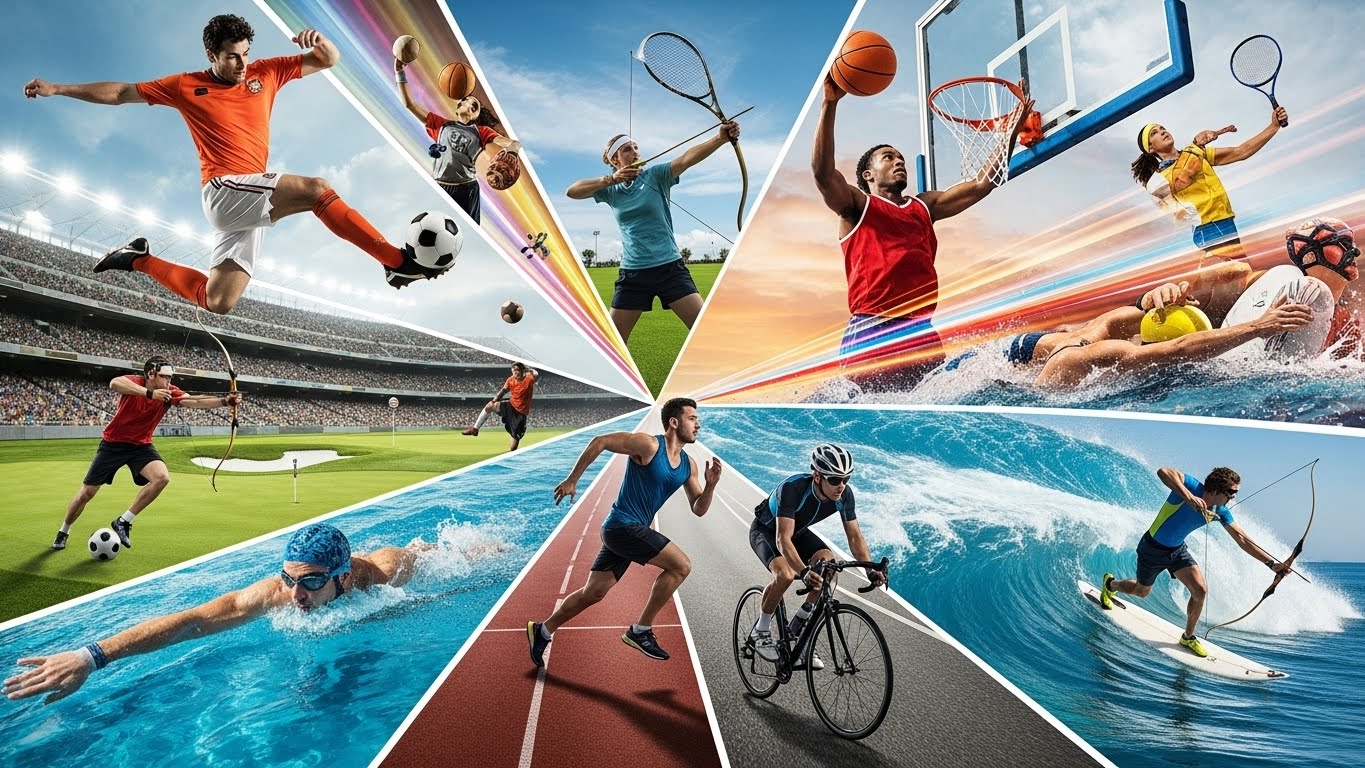

Sports have been a central part of human civilization for thousands of years. From ancient athletic competitions to modern professional leagues, sports have provided a platform for competition, entertainment, and social cohesion. But the influence of sports goes far beyond the stadium. It shapes culture, drives technological innovation, and even influences how societies approach health, teamwork, and personal growth. This blog explores the multifaceted impact of sports, analyzing its cultural significance, technological evolution, and transformative role in individual and collective life.
The Cultural Impact of Sports
Sports serve as a mirror of society, reflecting cultural values, community identities, and national pride. Major sporting events, such as the Olympics or World Cup, become global celebrations where nations showcase their talent and unity. Fans often identify deeply with teams and athletes, creating emotional connections that transcend geographical boundaries. In many communities, sports become a language in themselves, a way of expressing identity, solidarity, and shared history.
Local sports traditions also preserve cultural heritage. Indigenous games, regional leagues, and community tournaments maintain customs that might otherwise be lost. For instance, traditional wrestling, cricket in South Asia, and baseball in certain regions of the United States all have unique histories intertwined with social development. These cultural narratives highlight how sports are more than entertainment—they are storytelling tools and repositories of collective memory.
Sports and Personal Development
At an individual level, sports are crucial for physical, mental, and emotional development. Participation in athletic activities encourages discipline, perseverance, teamwork, and resilience. Athletes learn to set goals, manage failures, and celebrate achievements. Even recreational players experience these benefits, as sports cultivate a sense of responsibility, strategic thinking, and self-confidence.
Sports also have profound mental health benefits. Physical activity triggers the release of endorphins, reducing stress and enhancing mood. For young people, sports offer structured environments for social interaction, teaching conflict resolution and leadership skills. Beyond the physical and psychological aspects, sports can instill a lifelong appreciation for challenges and self-improvement, shaping personalities in ways that extend far beyond the playing field.
The Science and Technology of Modern Sports
Modern sports are increasingly intertwined with science and technology. From training techniques to equipment design, technological innovation is enhancing performance while improving safety. Biomechanics, wearable devices, and advanced analytics allow athletes to track their movements, monitor heart rates, and optimize performance with unprecedented precision.
Sports analytics has revolutionized strategy in competitive environments. Coaches now use data to evaluate strengths and weaknesses, predict outcomes, and make informed tactical decisions. Video replay technology and performance sensors have also reduced injuries by identifying risk factors and correcting improper techniques. The integration of technology ensures that sports continue to evolve in both competitiveness and safety, benefiting athletes and fans alike.
The Economics of Sports
The economic impact of sports is immense, encompassing ticket sales, merchandise, sponsorships, broadcasting rights, and tourism. Major sporting events can stimulate local economies by attracting visitors, creating jobs, and promoting infrastructure development. Professional leagues and tournaments are also multi-billion-dollar industries that provide livelihoods for athletes, coaches, and a wide range of supporting professions.
Sports businesses increasingly leverage digital platforms to reach global audiences. Virtual fan engagement, online ticketing, and streaming services have expanded access and transformed traditional business models. Moreover, sports organizations are exploring ways to invest in sustainable infrastructure, community programs, and youth development initiatives, demonstrating that economic growth and social responsibility can coexist.
Women in Sports: Breaking Barriers
The role of women in sports has transformed dramatically over the past century. Female athletes have challenged traditional gender norms, proving that skill, dedication, and perseverance are not defined by gender. From tennis and soccer to martial arts and swimming, women are claiming visibility, breaking records, and inspiring the next generation.
Despite significant progress, challenges remain, including pay disparities, unequal media coverage, and limited access to resources. Advocates continue to fight for equity in funding, sponsorship, and representation. As women achieve greater recognition in sports, they redefine societal expectations and open doors for future generations, highlighting the transformative power of athletic excellence.
Youth Sports: Building the Future
Youth sports programs play a critical role in shaping the next generation of athletes and responsible citizens. Participation at a young age fosters physical fitness, social skills, and personal discipline. Children learn essential life lessons about teamwork, resilience, and fair play. Beyond organized competitions, casual recreational sports encourage creativity, problem-solving, and leadership.
Communities benefit when youth are engaged in sports, as it reduces the likelihood of negative behaviors and promotes a sense of belonging. Schools, local clubs, and community centers act as incubators for talent and character development, ensuring that sports remain a positive force in society.
The Role of Sports in Social Change
Sports have often been catalysts for social change, challenging inequality, promoting unity, and fostering dialogue. Iconic athletes have used their platforms to advocate for civil rights, gender equality, and political justice. Historical moments, such as athletes taking a knee or speaking out against discrimination, demonstrate how sports intersect with societal issues.
Furthermore, inclusive sports programs provide opportunities for marginalized communities, promoting integration, understanding, and empathy. By leveraging the universal appeal of sports, activists and organizations can communicate powerful messages, proving that the field is not just a place for competition but also a venue for progress.
Extreme Sports and the Thrill Culture
Extreme sports, ranging from snowboarding and skateboarding to rock climbing and parkour, capture the human desire for thrill and adventure. These sports emphasize risk-taking, creativity, and self-expression. While they may not always receive mainstream attention, extreme sports push boundaries, redefine athleticism, and inspire innovation in safety equipment and training methods.
The culture surrounding extreme sports reflects broader societal trends, valuing individuality, courage, and resilience. Participants often develop a strong sense of community, united by shared passion and respect for the challenges they face. As adventure sports continue to grow, they challenge conventional ideas of athletic performance and redefine what it means to excel in human movement.
Sports Fandom and the Emotional Connection
Fans are the lifeblood of sports, creating energy, excitement, and narratives that extend beyond the athletes themselves. The bond between a team and its supporters is deeply emotional, forming identities, rituals, and traditions. Sports fandom fosters community, with fans celebrating victories and enduring losses collectively, creating shared memories that last a lifetime.
The rise of digital media has transformed fandom, allowing global connections and instant access to news, commentary, and live events. Virtual communities, fan-generated content, and social media interactions enhance engagement and strengthen the sense of belonging. Fandom is no longer passive; it is an active, dynamic expression of loyalty and passion.
The Future of Sports: Innovation and Sustainability
The future of sports will be shaped by innovation, technology, and a growing focus on sustainability. Virtual reality and augmented reality may transform viewing experiences, offering immersive perspectives that bring fans closer to the action than ever before. Artificial intelligence will assist in performance analysis, injury prevention, and even fan engagement strategies.
Sustainability will also become a core consideration in sports infrastructure, equipment design, and event management. Eco-friendly stadiums, renewable energy initiatives, and waste reduction programs will ensure that the love for sports does not come at the expense of the planet. The intersection of innovation and responsibility will define the next era of athletics.
Conclusion: More Than a Game
Sports are far more than a competition; they are a reflection of humanity. They foster physical health, mental resilience, social cohesion, cultural expression, and economic growth. From professional arenas to neighborhood playgrounds, sports influence how we live, learn, and connect with one another.
The ongoing evolution of technology, the growing presence of women and youth in athletics, and the increasing focus on sustainability and social impact all point to a future where sports continue to inspire, challenge, and unite. As we move forward, the value of sports will not just be measured in points scored or trophies won, but in the lasting impact they have on individuals, communities, and the world at large.
Sports are a universal language, a testament to human potential, and a reminder that excellence, perseverance, and passion are qualities that extend far beyond the playing field. The game, in all its forms, continues to shape lives, build communities, and define cultures around the world.