Introduction: The Universal Language of Sports
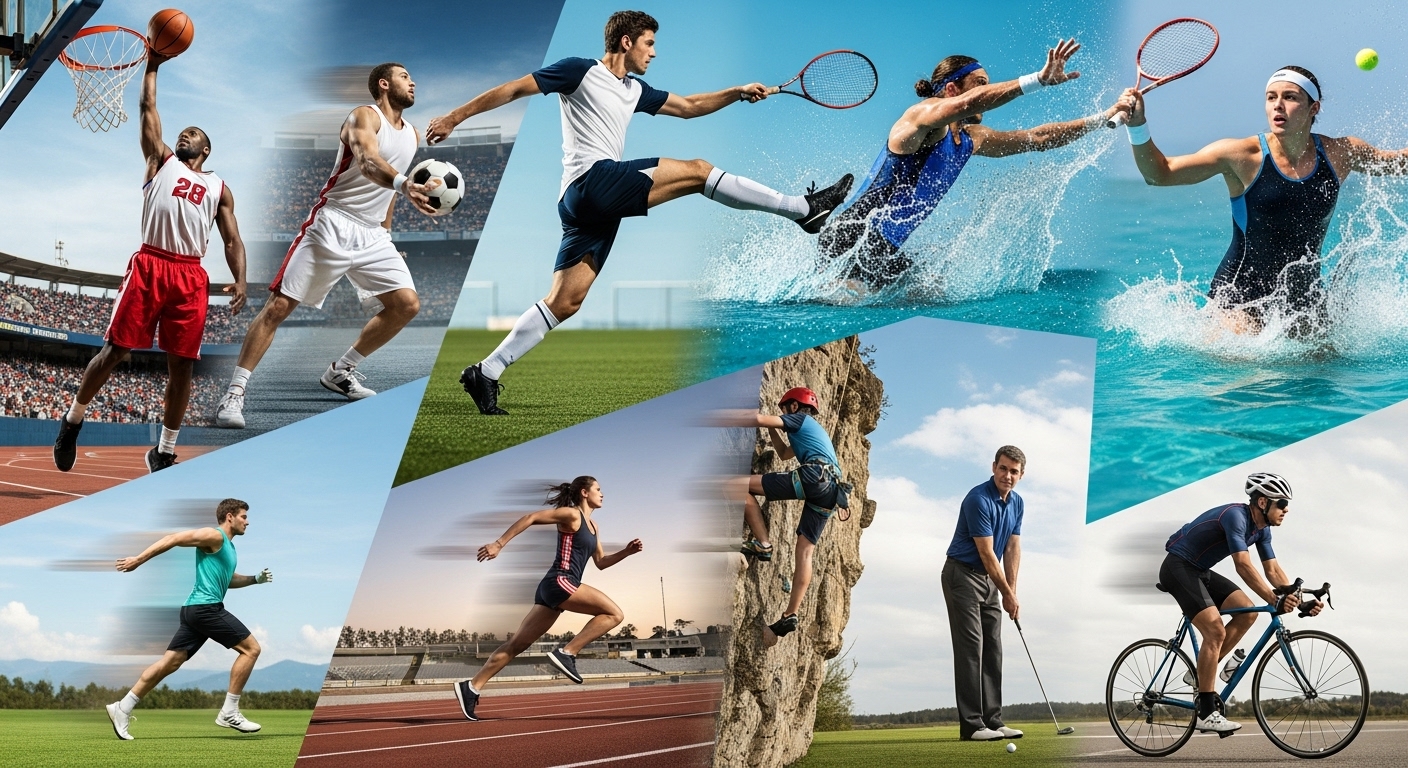
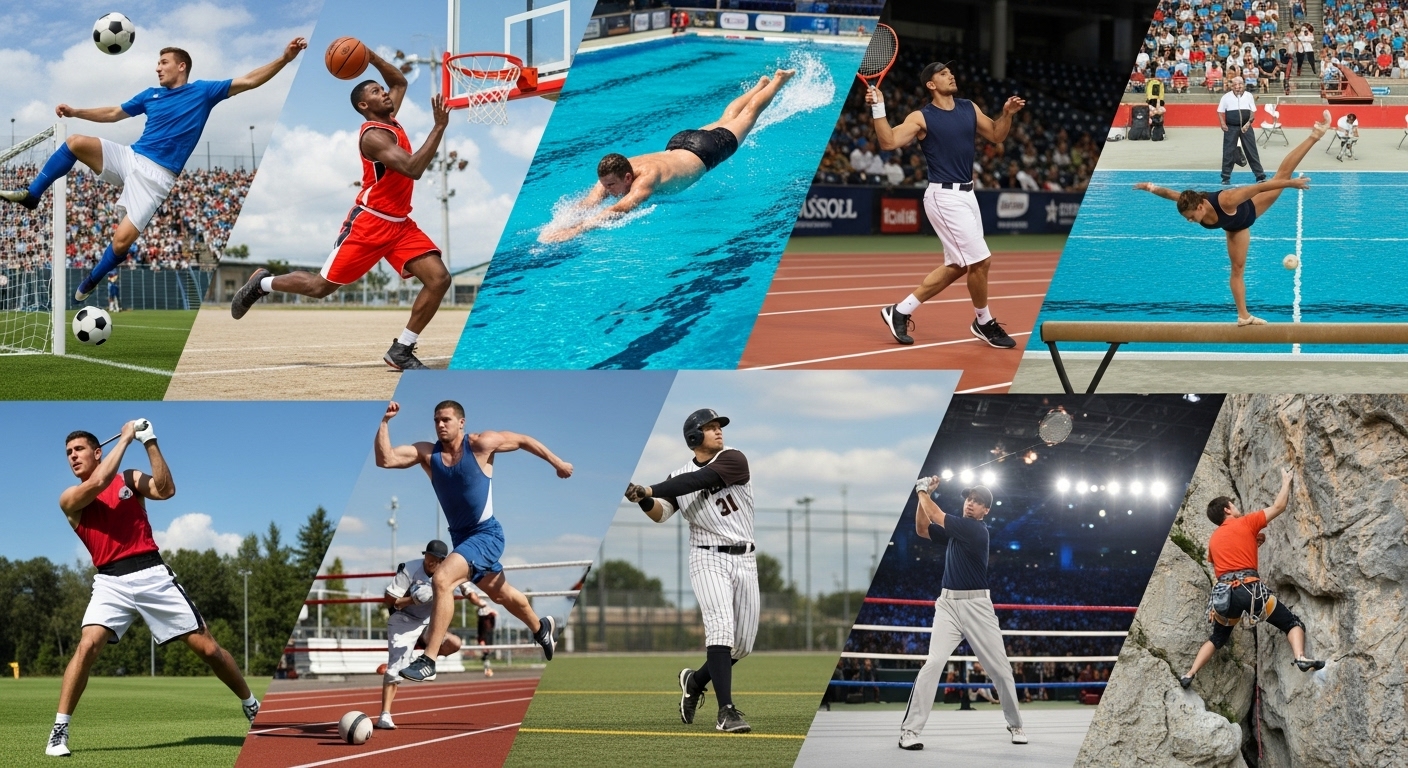
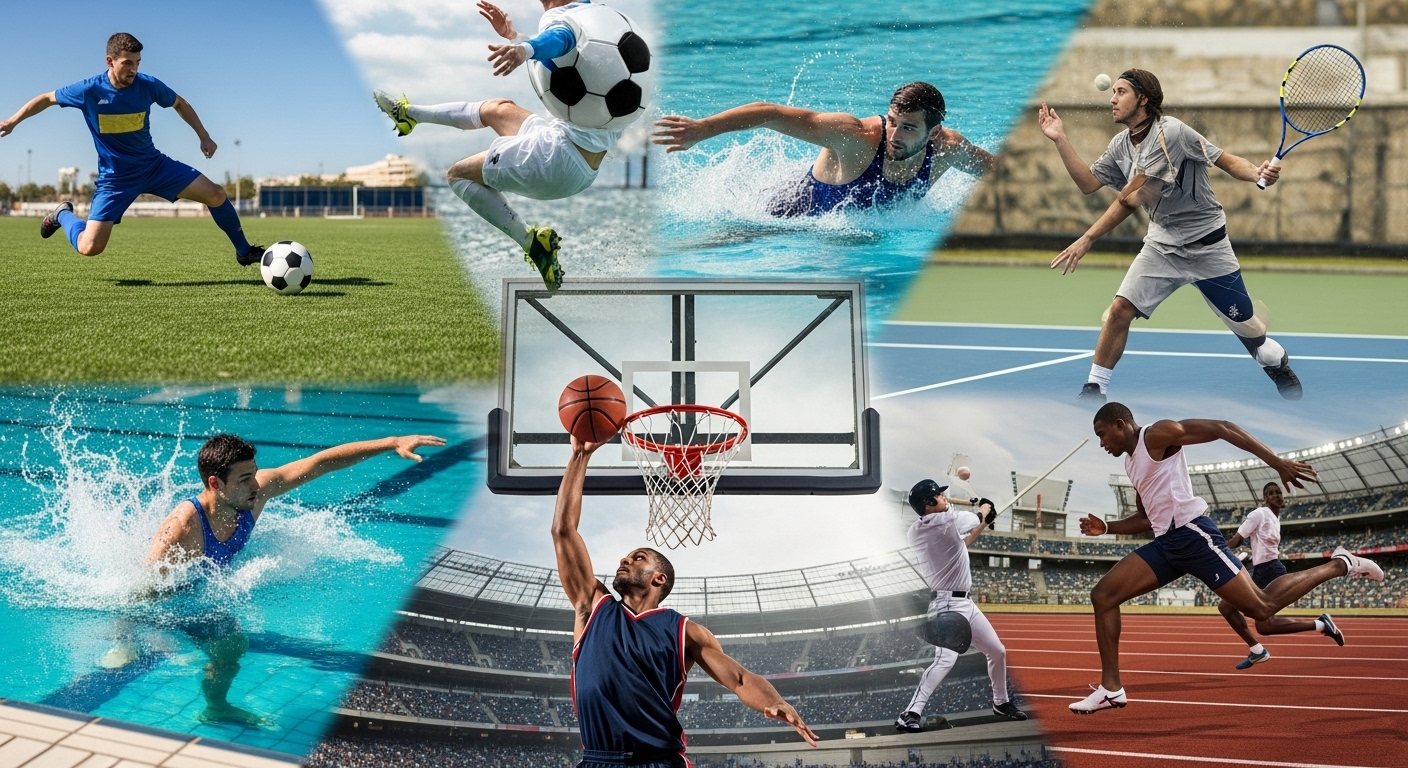
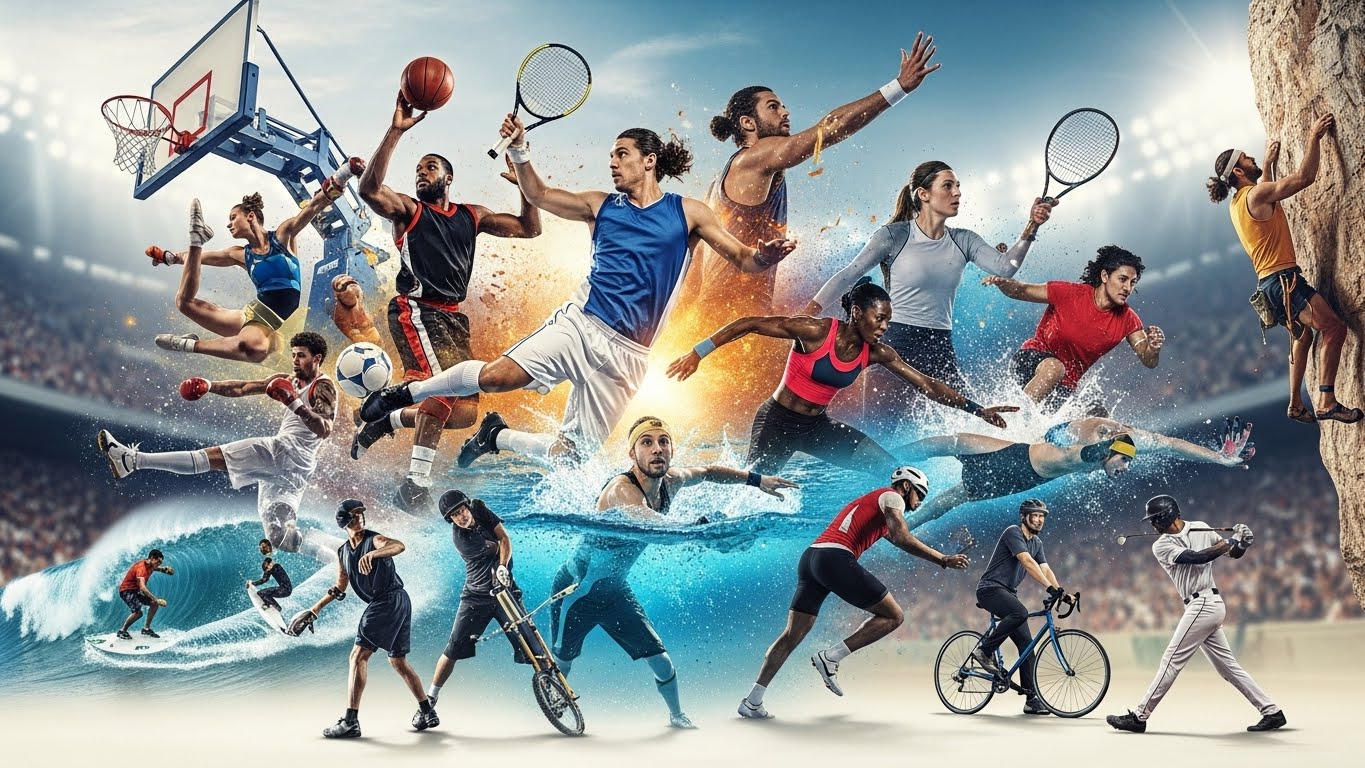
Sports have been an integral part of human civilization for centuries, transcending borders, languages, and cultures. From ancient Olympic Games in Greece to modern-day football stadiums filled with passionate fans, sports possess an unparalleled power to unite people. While many view sports purely as a form of entertainment or a physical activity, the influence of sports extends far beyond the field or court. It shapes personalities, builds communities, and even fosters global understanding. In this blog, we will explore the multifaceted impact of sports on individuals, society, and the world at large.
The Psychological Impact of Sports
Participating in sports is not just about physical fitness; it profoundly affects mental well-being. Engaging in regular physical activity releases endorphins, the so-called “feel-good” hormones, which reduce stress and anxiety. Athletes often develop resilience, patience, and emotional intelligence as they navigate victories, defeats, and the pressures of competition. Beyond competitive athletes, even casual participation in sports provides individuals with a sense of accomplishment and boosts self-esteem. Furthermore, team sports cultivate a sense of belonging, fostering friendships and social support networks that improve overall mental health.
Building Discipline and Work Ethic Through Sports
Discipline is a cornerstone of athletic success, and the lessons learned in sports often translate into other areas of life. Athletes learn the value of consistent effort, practice, and time management from a young age. Daily training schedules, goal-setting, and adherence to rules instill a structured mindset that can be applied in academics, careers, and personal relationships. Sports teach that hard work and dedication yield results, a principle that extends far beyond the field and encourages a proactive approach to challenges in life.
Sports as a Tool for Education and Youth Development
Sports play a critical role in the development of children and teenagers. Beyond physical benefits like improved coordination and endurance, sports encourage cognitive development, problem-solving skills, and teamwork. Schools and community programs that incorporate sports into their curriculum often see enhanced academic performance and improved social skills among students. Team activities teach young people how to communicate effectively, handle conflict, and lead with empathy. These skills are essential for future success in professional and personal settings, highlighting sports as a powerful educational tool.
Fostering Teamwork and Collaboration
One of the most significant lessons sports teach is teamwork. Whether it is football, basketball, cricket, or relay races, collaboration is at the heart of success. Athletes must coordinate their actions, understand each other’s strengths and weaknesses, and make collective decisions under pressure. This shared experience builds trust, mutual respect, and problem-solving abilities that are invaluable in everyday life. Even in individual sports, athletes often rely on coaches, trainers, and support staff, emphasizing the importance of collaboration beyond personal achievements.
The Social Impact of Sports on Communities
Sports have the remarkable ability to unite communities and foster social cohesion. Local sporting events create opportunities for people from diverse backgrounds to come together, celebrate shared passions, and build social networks. Community sports programs provide safe environments for youth, reducing the risk of involvement in negative activities. Additionally, sports can serve as a platform for social change, promoting awareness around critical issues such as equality, health, and environmental responsibility. By encouraging participation and engagement, sports strengthen the fabric of society.
Sports and Cultural Identity
Sports are deeply intertwined with cultural identity. National teams, traditional games, and local tournaments often reflect a community’s history, values, and pride. Major sporting events, such as the World Cup or the Olympics, provide a stage for countries to showcase their heritage and talent, fostering global recognition and appreciation. On a smaller scale, regional sports preserve traditions and foster local pride, creating a sense of belonging among participants and spectators alike. Through sports, individuals can connect with their cultural roots while also embracing a broader, international perspective.
The Economic Influence of Sports
While often celebrated for entertainment and personal development, sports also play a crucial role in the global economy. Professional leagues generate significant revenue through ticket sales, merchandise, broadcasting rights, and sponsorship deals. Beyond professional sports, local tournaments and community programs stimulate economic activity, supporting small businesses and creating employment opportunities. Sports tourism is another growing sector, with fans traveling across cities and countries to attend major events, benefiting hospitality, transportation, and service industries. This economic dimension underscores the tangible impact of sports on societies worldwide.
Promoting Health and Physical Fitness
At its core, sports promote physical health. Regular participation improves cardiovascular fitness, strengthens muscles, enhances flexibility, and supports healthy weight management. Beyond these obvious benefits, sports help prevent chronic illnesses such as diabetes, hypertension, and obesity. Engaging in physical activity from a young age establishes lifelong habits that contribute to overall well-being. Moreover, sports encourage individuals to adopt a balanced lifestyle, combining exercise, nutrition, and rest, which collectively lead to healthier, longer lives.
Sports as a Catalyst for Leadership and Personal Growth
Sports cultivate leadership qualities by encouraging athletes to take responsibility, make decisions under pressure, and inspire others. Captains and team leaders develop strategic thinking, communication skills, and the ability to motivate their peers. Even in individual sports, athletes demonstrate self-discipline, accountability, and resilience, which are essential traits for personal and professional growth. The challenges faced in sports—overcoming injuries, bouncing back from losses, and striving for excellence—mirror real-life obstacles, preparing individuals to navigate adversity with confidence and determination.
Global Unity Through International Competitions
International sporting events like the Olympics, World Cups, and global championships showcase the power of sports to transcend borders. Fans and athletes from different countries come together, celebrating shared values of fair play, competition, and mutual respect. These events foster cultural exchange, broaden worldviews, and encourage international cooperation. While rivalries add excitement, the underlying spirit of sportsmanship promotes peace and understanding. In a world often divided by politics, economics, and ideology, sports serve as a universal language that unites humanity.
The Evolution of Sports in the Digital Age
The digital revolution has transformed the way we play, watch, and engage with sports. Technology enhances performance through advanced training equipment, wearable devices, and data analytics. Fans can now follow matches live, interact with athletes on social media, and access in-depth statistics with a click. Virtual sports, e-sports, and online leagues have created new avenues for participation and entertainment, attracting younger audiences worldwide. This evolution demonstrates that sports continue to adapt to societal changes while maintaining their core values of competition, teamwork, and personal growth.
Challenges and Ethical Considerations in Sports
Despite its numerous benefits, sports also face challenges and ethical dilemmas. Issues such as doping, corruption, exploitation of athletes, and commercialization can undermine the integrity of sports. Ensuring fair play, athlete safety, and equal opportunities remains a constant concern. Additionally, access to sports is not uniform worldwide, with socioeconomic barriers preventing many from participating. Addressing these challenges requires collective effort from governments, organizations, and communities to uphold the true spirit of sports and make it inclusive for everyone.
Conclusion: Sports as a Lifelong Journey
Sports are far more than games or competitions; they are a microcosm of life itself. They teach resilience, discipline, teamwork, and leadership while promoting physical health and mental well-being. Sports foster cultural pride, community cohesion, and global understanding, making them an indispensable part of human society. Whether you are an athlete, a fan, or someone who occasionally enjoys a recreational game, the lessons and experiences derived from sports are invaluable. Ultimately, engaging in sports is not just about winning or losing—it is about growth, connection, and embracing the journey of life itself.