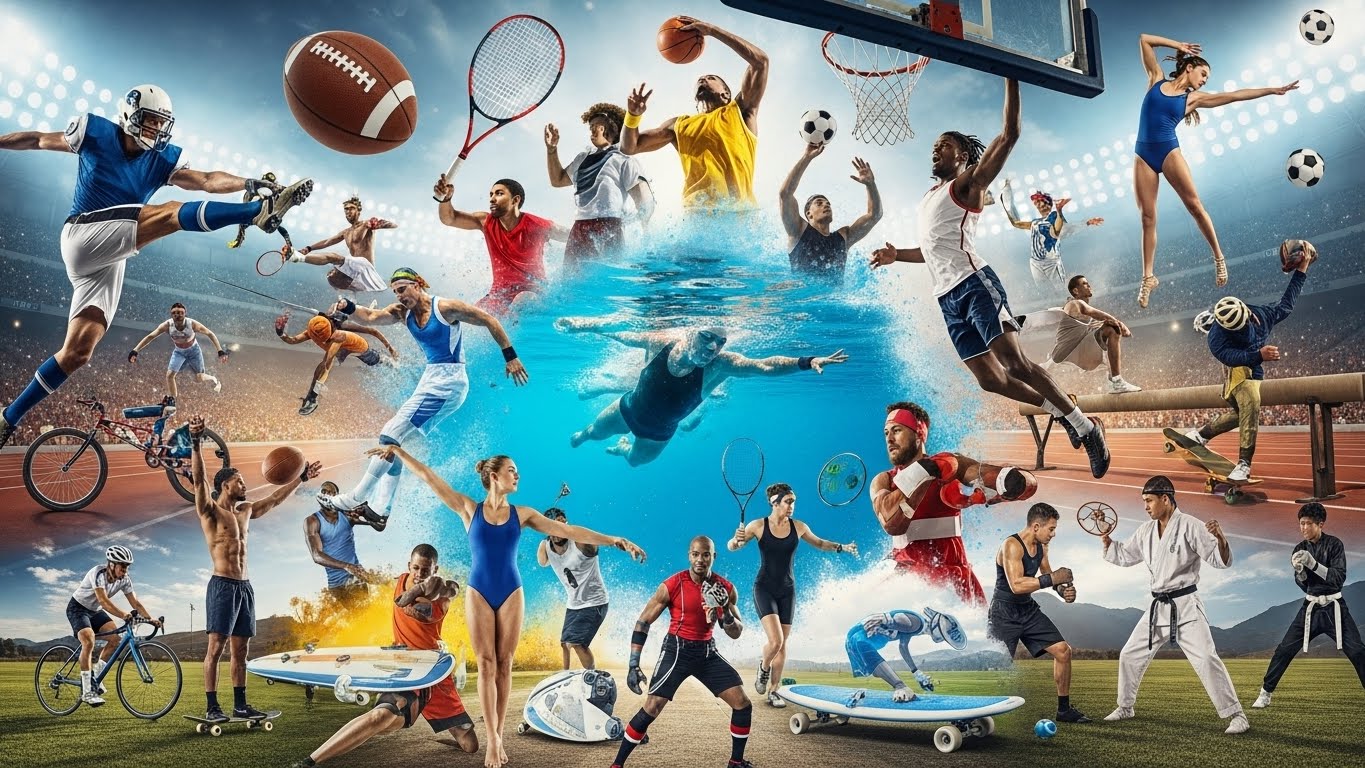
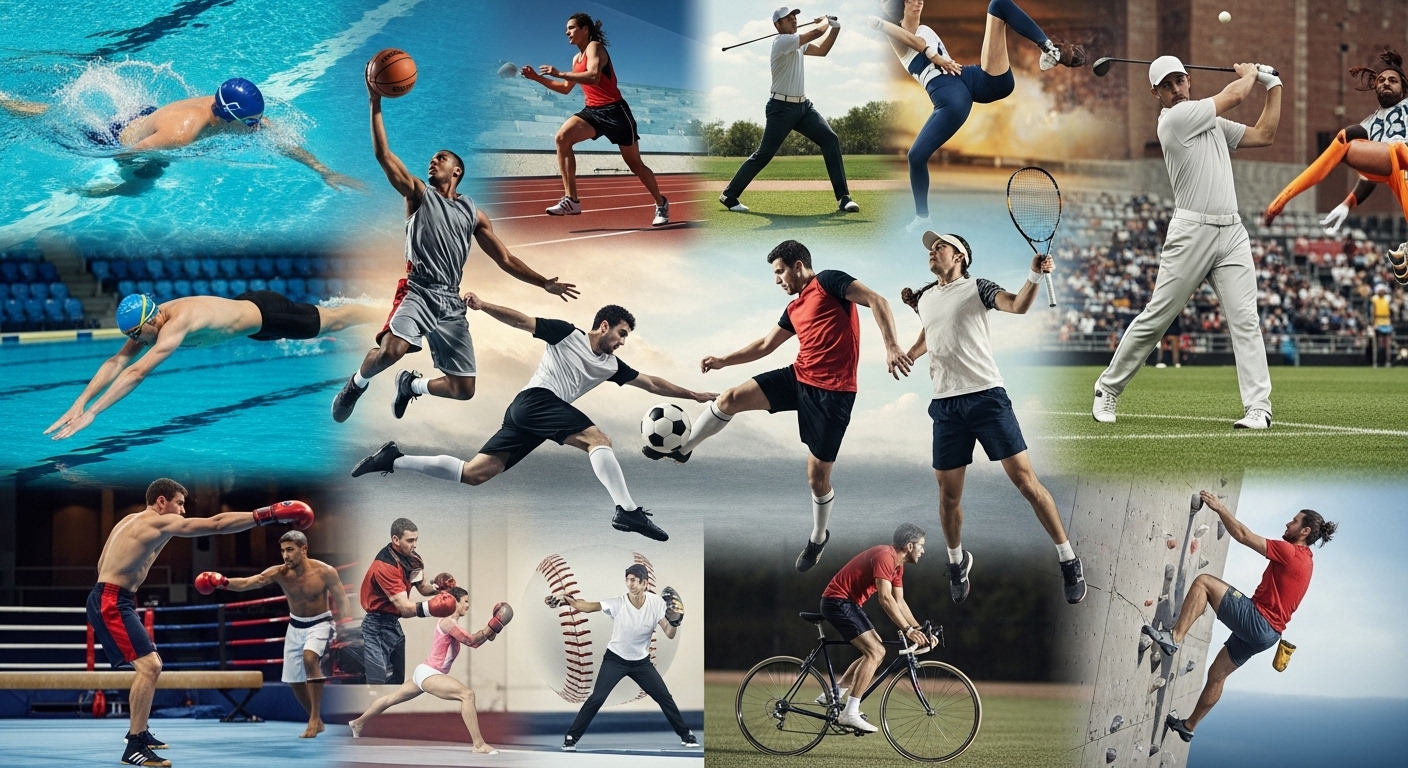
Introduction: The Universal Language of Sports
Sports are far more than just games. They are a global phenomenon that captivates millions, whether it’s a local match between friends or a grand international tournament watched by billions. The beauty of sports lies in their ability to unite people from all walks of life, transcending cultural, geographical, and social barriers. From the tension of a penalty shootout to the triumph of a world record, sports evoke powerful emotions and create bonds that go beyond the playing field. This post explores the profound influence sports have on society, how they shape our culture, and the invaluable lessons they teach us.
The Power of Connection: How Sports Bring Us Together
One of the most remarkable aspects of sports is their ability to connect people. Whether it’s cheering for the same team, sharing a victory, or experiencing the agony of defeat together, sports create a sense of community. It doesn’t matter where you’re from, the language you speak, or your background—sports offer a common ground where people unite under a shared passion.
For instance, the Olympics are a powerful reminder of this unity, where nations come together to celebrate not just athletic prowess but also the spirit of fair competition and mutual respect. Fans who have never met each other can bond over a shared love of the game, creating friendships and networks that often extend beyond the sports world.
The Mental and Physical Benefits: Sports as a Tool for Well-Being
When people think of the benefits of sports, they often focus on the physical aspects—building strength, endurance, and coordination. However, sports offer much more than just a way to stay fit. They are a tool for mental health and emotional well-being as well.
Regular participation in sports is a powerful way to combat stress, anxiety, and depression. Physical activity releases endorphins, which improve mood and promote a sense of happiness. Beyond the chemical benefits, sports also provide a healthy outlet for dealing with life’s challenges. Engaging in a game can serve as a distraction from daily worries, allowing individuals to focus on the task at hand and clear their minds.
Moreover, the mental skills developed through sports—such as discipline, decision-making, and strategy—help individuals navigate challenges in other areas of life. Athletes learn how to manage pressure, work with others, and remain calm in stressful situations, all of which are transferable skills.
The Life Lessons: What Sports Teach Us Beyond the Game
Sports are a classroom without walls, teaching invaluable life lessons that extend far beyond the field or court. The lessons athletes learn through sports are often the same principles that help people succeed in their personal and professional lives.
Take teamwork, for example. In many sports, success depends on how well athletes work together toward a common goal. Whether you’re playing soccer, basketball, or any other team sport, cooperation, communication, and trust are essential for success. These lessons of collaboration are applicable in the workplace, in friendships, and in family life, reinforcing the importance of working as a team.
Another key lesson is resilience. Athletes experience setbacks, losses, and failures regularly. However, they learn how to persevere through adversity, picking themselves up after a defeat and striving to improve. This resilience is crucial in facing challenges outside of sports, whether it’s overcoming obstacles in a career or personal life.
The Economic and Cultural Impact: How Sports Influence Society
Sports are not just a source of entertainment; they also have a significant impact on economies and cultures. The sports industry is a multibillion-dollar global business that creates jobs, generates revenue, and boosts tourism. Major sporting events, such as the FIFA World Cup, the Olympics, and the Super Bowl, attract millions of spectators and contribute immensely to local economies through spending on tickets, merchandise, food, and travel.
On a cultural level, sports play a huge role in shaping identities and values. National pride, for example, is often tied to sporting success. When a country’s team wins an international competition, it can create a sense of unity and patriotism among its people. On a local level, sports events bring communities together, whether it’s a neighborhood baseball game or a high school football championship. These shared experiences foster pride and a sense of belonging, strengthening community bonds.
The Future of Sports: Adapting to a Changing World
As society evolves, so does the world of sports. The rise of technology and digital media is changing the way we experience sports, both as fans and participants. Streaming services and social media have made it easier than ever to follow teams, interact with players, and engage with global sports communities. Technology has also improved the training and performance of athletes, with innovations like wearable devices, advanced analytics, and virtual reality playing increasingly important roles in sports.
Esports, a rapidly growing industry, is another example of how sports are adapting to the digital age. Competitive gaming has captured the attention of millions worldwide, and tournaments are drawing massive crowds, both in person and online. While traditional sports remain dominant, the rise of esports indicates that the definition of sports is broadening and diversifying, creating new opportunities for athletes and fans alike.
Conclusion: The Enduring Power of Sports
Sports are not just a pastime or a form of entertainment—they are a reflection of society, a powerful tool for personal growth, and a force that unites people across the world. The physical, mental, and social benefits they offer are undeniable, and the lessons they teach us resonate long after the game ends. Whether you’re playing a game for fun or watching a professional match, sports continue to shape our world in profound and meaningful ways.
In a world that often feels divided, sports remind us that there is always something to rally behind. They teach us the value of hard work, teamwork, and resilience, while also offering a space to connect with others. As long as there are people, there will be sports—because sports are, at their core, a reflection of who we are as human beings.