Beyond the Game: The Lifelong Impact of Sports on Our Lives
Introduction: The Power of Sports in Shaping Character
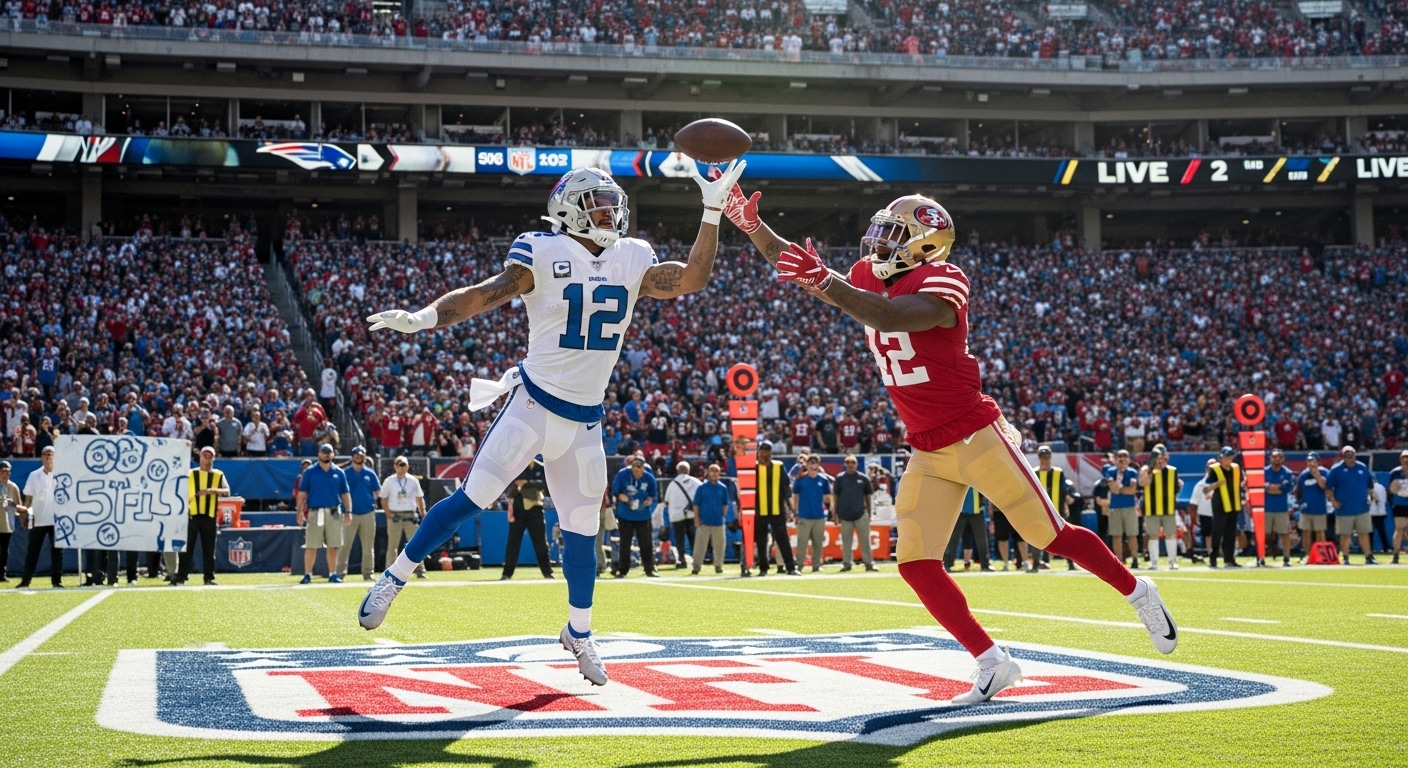
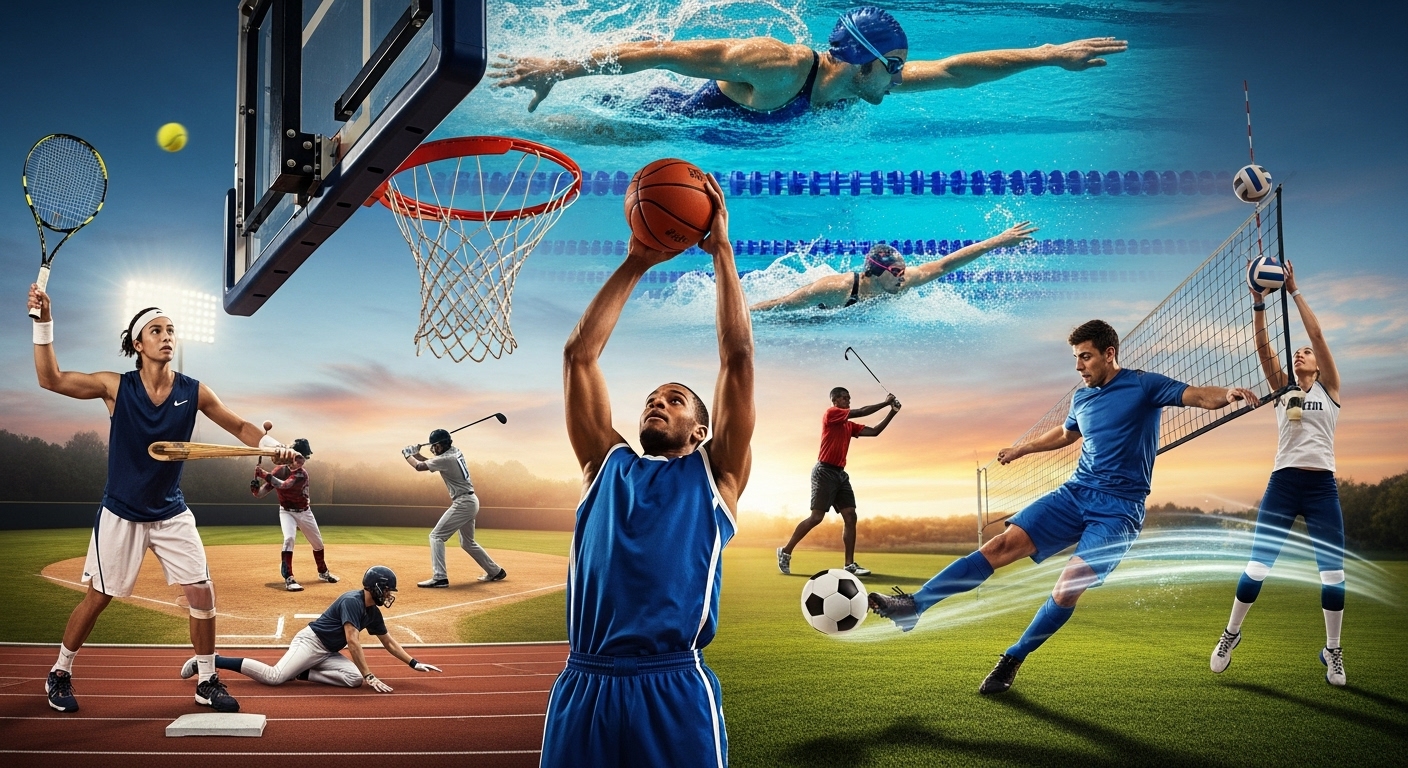
Sports have an undeniable impact on our lives, not just in terms of physical fitness, but also in how they shape our mental fortitude and personal growth. Whether it’s the discipline of training for a marathon, the teamwork required in football, or the precision in tennis, every sport offers valuable lessons that extend far beyond the playing field. This blog explores how sports influence us, molding individuals, communities, and cultures alike, and why the lessons they impart stay with us for a lifetime.
The Physical and Mental Benefits of Sports
One of the most immediate and obvious benefits of sports is their positive impact on physical health. Regular participation in sports promotes cardiovascular fitness, muscle strength, and flexibility. It’s no surprise that people who engage in physical activities like swimming, running, or playing basketball tend to be healthier overall. Yet, the effects of sports aren’t confined to the body alone.
Mentally, sports offer significant benefits as well. They reduce stress, increase focus, and improve cognitive function. Studies show that physical activity helps the brain release endorphins, which are natural mood lifters. The mental clarity athletes experience while playing can translate to better decision-making and problem-solving in daily life. Furthermore, sports can provide an escape from daily worries, giving individuals a chance to focus entirely on the task at hand, whether it’s hitting a perfect shot or executing a well-timed play.
Life Lessons Through Sports: More Than Just Winning
While competition and the desire to win are central to most sports, the deeper value of sports lies in the life lessons they teach. From learning how to manage failure to practicing patience, sports offer an unparalleled opportunity for personal development.
One of the most important lessons sports teach is resilience. Every athlete faces setbacks, whether it’s a lost game, an injury, or a missed opportunity. How they handle these obstacles defines their growth. Sports teach us that failure is not the end but a stepping stone to improvement. The ability to bounce back, stay motivated, and work harder after a loss is a skill that athletes carry with them throughout life.
Team sports, in particular, emphasize the value of collaboration and communication. Whether on the soccer field or the basketball court, success depends on teamwork. Athletes learn to trust others, share responsibility, and prioritize the collective goal over personal achievements. These principles are just as valuable off the field in personal and professional relationships, making sports an important tool for building strong social bonds.
Sports as a Catalyst for Social Change
Sports have long been at the forefront of social change, providing a platform for athletes to speak out on important issues. From Muhammad Ali’s stance against the Vietnam War to Colin Kaepernick’s kneeling protest against racial injustice, sports have offered athletes the opportunity to influence public opinion and create societal change.
In addition to individual acts of protest, sports have also been used to break down barriers and promote equality. The integration of African-American athletes into major leagues like Major League Baseball and the NBA helped challenge racial segregation in the United States. Women’s sports have gained considerable traction in recent years, with female athletes breaking barriers in sports that were once male-dominated. These milestones have had a profound impact on gender equality, proving that sports can be a force for progressive social change.
The Global Influence of Sports: Uniting Cultures
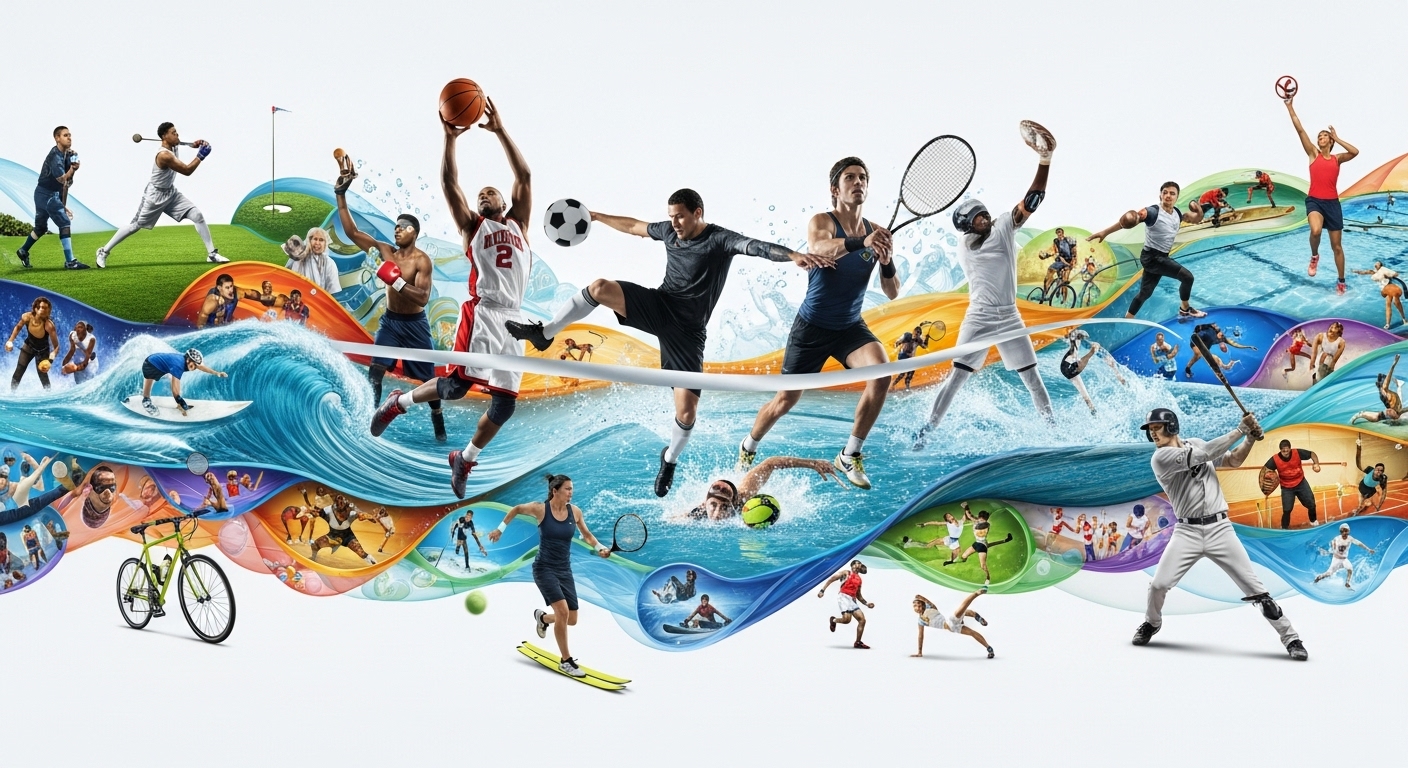
Sports are one of the few things that have the power to unite people across cultural, linguistic, and political boundaries. Whether it’s a local game of cricket or the global spectacle of the Olympics, sports provide a shared experience that transcends nationality. Major international events, such as the FIFA World Cup and the Summer Olympics, bring together countries from all over the world, allowing athletes to represent their nations while fostering a sense of global unity among fans.
Sports provide a space for cultural exchange, allowing individuals to celebrate their differences while finding common ground. When teams from different countries compete, they are not just playing a game—they are participating in a larger conversation about identity, pride, and the human experience. This is particularly evident in the way fans rally behind their teams, irrespective of geographic location. Sports create a sense of belonging that is felt not only by athletes but also by millions of fans worldwide.
The Future of Sports: Evolving with Technology
As technology continues to evolve, so too does the world of sports. From wearable devices that monitor an athlete’s performance to virtual reality (VR) experiences that immerse fans in the action, the future of sports is set to become more interactive and data-driven. Athletes now have access to advanced training tools that can optimize their performance in ways never seen before. Coaches use data analytics to assess player performance, strategize, and even predict outcomes.
In addition to enhancing the performance of athletes, technology has also transformed the way fans engage with sports. Streaming services, social media platforms, and digital experiences have made it easier for people around the world to watch games in real time, interact with athletes, and participate in global conversations about their favorite sports.
Virtual reality (VR) is also changing how we experience sports. Imagine being able to watch a live football game from the perspective of a player or sitting courtside at an NBA game from the comfort of your home. These innovations are expanding the possibilities for fan engagement and offering new ways to experience the action.
Conclusion: The Enduring Legacy of Sports
Sports, in all their forms, have an extraordinary ability to impact our lives in ways that few other activities can. From teaching us valuable life skills like resilience, discipline, and teamwork, to fostering social change and uniting cultures, sports remain an integral part of the human experience. The lessons learned through sports are not confined to the field or court—they resonate throughout our lives, guiding us through challenges and helping us become better individuals.
As technology continues to change the landscape of sports, one thing is certain: the power of sports to inspire, unite, and educate will only grow stronger. Whether it’s a young child playing their first soccer game or a seasoned athlete competing on the world stage, the lessons and joy of sports will continue to shape the lives of people for generations to come.