
How Sports Shape Character, Culture, and Community
Introduction: The Power and Purpose of Sports
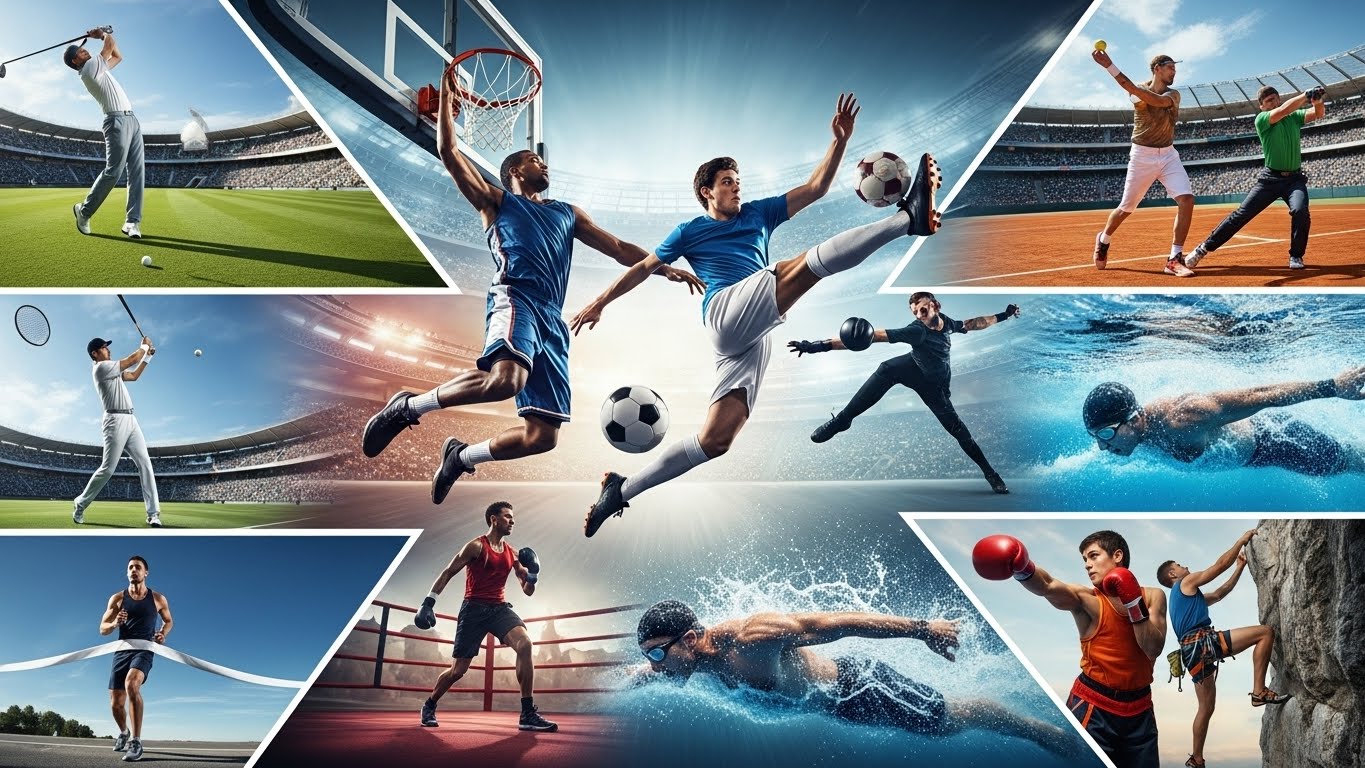
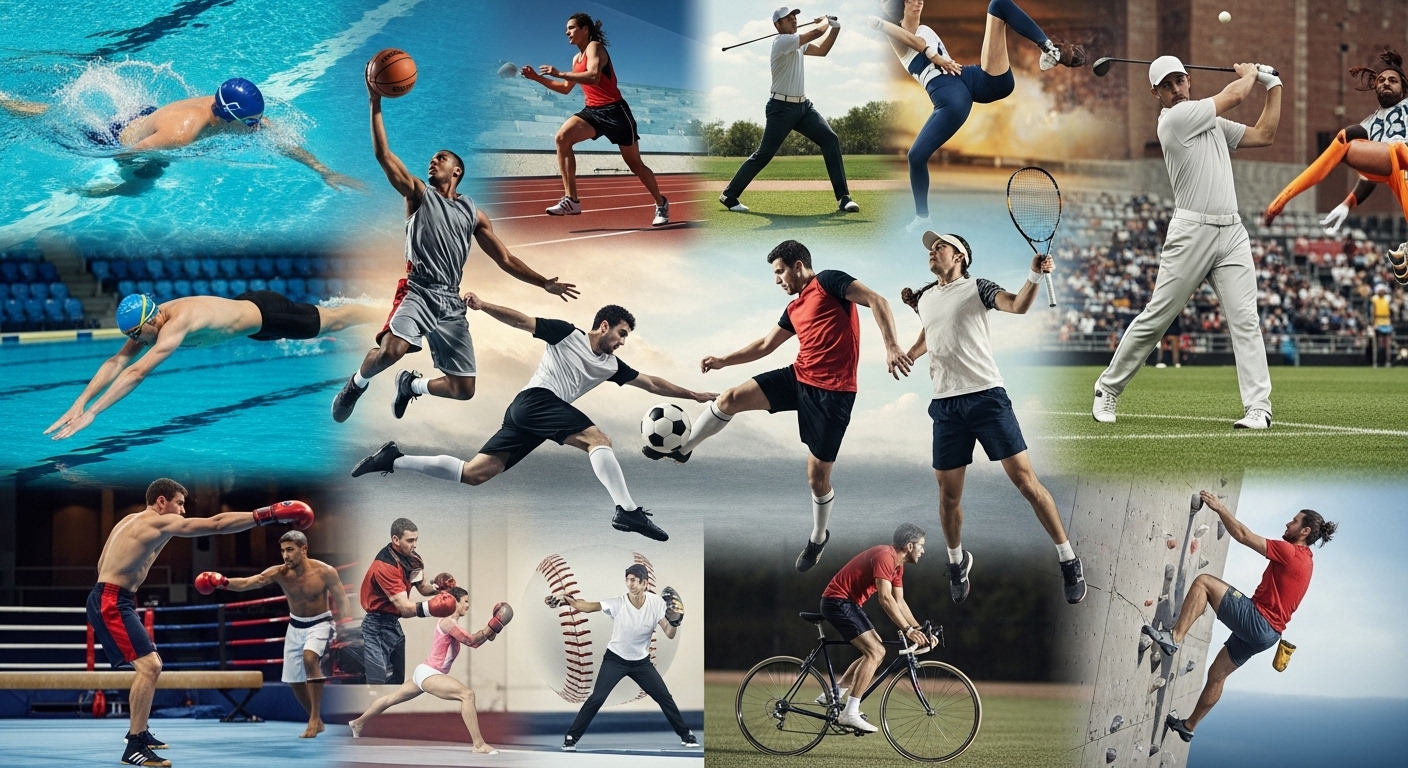
Sports have always held a special place in the hearts of people across the globe. Whether played on dusty fields, icy rinks, or massive stadiums, sports have the ability to inspire, unite, and transform. They are more than just games—they are powerful tools for character building, community development, and cultural expression.
In every corner of the world, sports act as a universal language. They bring people together across race, religion, gender, and age. The roar of a crowd after a last-minute goal or the quiet anticipation before a crucial serve reminds us that in sports, moments of greatness are always possible. This blog explores the many layers of sports, from personal growth to global influence, and why they remain essential in both traditional and modern societies.
The Origins of Organized Sports
The history of sports stretches back thousands of years. Ancient civilizations in Egypt, Greece, China, and Mesoamerica all had their own forms of competitive physical games. These early sports often had religious, military, or ceremonial significance, and many modern games are rooted in these traditions.
In ancient Greece, the Olympic Games began as a tribute to the gods, but quickly became a celebration of athletic excellence. In China, martial arts and competitive archery showcased discipline and skill. The Mesoamerican ball game, played by the Maya and Aztecs, was both a sport and a ritual. Over time, these games evolved into more organized and standardized sports that we recognize today.
Modern sports began to take shape during the 18th and 19th centuries, especially in Europe. With the establishment of rules, governing bodies, and leagues, sports transformed from informal pastimes into professional and international competitions. This period laid the foundation for the global sports industry we know today.
The Role of Sports in Character Development
One of the most important contributions of sports is how they shape personal character. Participating in sports teaches valuable life skills such as discipline, teamwork, patience, and resilience. Athletes learn to handle both victory and defeat with grace, and these lessons often extend far beyond the playing field.
Team sports, in particular, encourage collaboration and communication. Every player has a role, and success depends on collective effort. Individual sports, such as tennis or gymnastics, promote self-reliance, focus, and inner strength.
Many coaches emphasize that sports build not just better athletes, but better people. Youth sports programs around the world often prioritize personal development as much as athletic achievement. Children who participate in sports tend to have higher self-esteem, improved academic performance, and better social skills.
Sports as a Reflection of Culture
Every culture expresses itself through its sports. While soccer might dominate in Brazil and Europe, cricket holds the hearts of millions in India, Pakistan, and Australia. In the United States, American football and baseball are deeply woven into national identity, while Japan reveres sumo wrestling as a cultural treasure.
Sports mirror a nation’s values, struggles, and triumphs. They often serve as metaphors for political or social movements. For example, the historic win of South Africa’s rugby team in the 1995 World Cup became a symbol of unity in a post-apartheid nation. Similarly, athletes who take a stand against injustice, such as raising a fist or kneeling during a national anthem, use their platform to bring attention to broader societal issues.
The way fans celebrate sports is also a cultural experience. From traditional chants in European soccer stadiums to synchronized drum beats in Korean baseball games, sports are filled with rituals that reflect the heart of a nation.
The Globalization of Sports
In recent decades, sports have undergone a massive transformation due to globalization. Satellite television, international tournaments, and digital platforms have made it possible for fans to follow their favorite teams and athletes from anywhere in the world.
Global tournaments like the FIFA World Cup and the Olympics attract billions of viewers and unite people from diverse backgrounds. These events showcase not only athletic excellence but also cultural exchange and mutual respect. Athletes become ambassadors of their countries, representing more than just skill—they represent heritage, pride, and potential.
The rise of international leagues and multi-national team ownership has further blurred the lines between local and global sports. A single football team may have players from a dozen countries and fans spanning continents. While this global connectivity enriches the sports experience, it also raises questions about maintaining local identity and traditions in an increasingly commercialized landscape.
Women in Sports: Breaking Barriers and Building Legacies
Historically, sports have been male-dominated, but in recent years, women have made tremendous strides in gaining recognition, support, and equality in athletics. Female athletes across the globe are shattering records, challenging stereotypes, and inspiring new generations.
Events like the Women’s World Cup, the WNBA, and the Olympics have highlighted the skill, dedication, and passion of female athletes. In some countries, women face social or legal restrictions to playing sports, yet they persist, using their presence as a form of resistance and empowerment.
The visibility of women in sports is improving, but challenges remain. Pay disparity, media coverage, sponsorship opportunities, and respect from governing bodies still lag behind those of their male counterparts. However, with continued advocacy and fan support, the future is bright for women’s sports.
The Role of Technology in Modern Sports
Technology has transformed the way sports are played, watched, and analyzed. From high-speed cameras to wearable trackers, athletes and coaches have access to data that allows for precise performance analysis. Instant replay, goal-line technology, and VAR systems have added layers of accuracy and fairness to officiating.
Fans benefit from technology through streaming services, interactive apps, and virtual reality experiences. Spectators can now follow multiple angles of a game, engage with real-time statistics, and connect with other fans around the world.
However, the integration of technology also raises debates. Some argue that it slows the pace of the game or removes the human element of sports. Finding the right balance between tradition and innovation remains a topic of discussion in many leagues.
Economic Impact of Sports
Sports are a massive industry that generates billions of dollars worldwide. From stadium construction and merchandise sales to media rights and athlete endorsements, the economic ecosystem of sports is vast and complex.
Cities compete to host major events like the Olympics or the World Cup, hoping to boost tourism, create jobs, and stimulate infrastructure development. While the financial benefits can be significant, critics point out the risks of overspending, underutilized venues, and displacement of local communities.
On a grassroots level, sports contribute to local economies through youth leagues, fitness centers, and recreational facilities. They also promote health and well-being, reducing long-term healthcare costs and encouraging active lifestyles.
The Emotional Impact of Being a Fan
Being a sports fan is more than just cheering for a team—it is an emotional journey filled with highs and lows, community bonding, and personal identity. For many, supporting a team becomes part of their family tradition or regional pride.
Sports provide a safe outlet for emotional expression. Joy, disappointment, hope, and frustration are all part of the experience. Watching a match can unite strangers in shared celebration or collective heartbreak.
In times of crisis or conflict, sports often offer healing and distraction. After natural disasters or national tragedies, games can bring a sense of normalcy and unity. Athletes who use their platform to give back to communities or support charitable causes further reinforce the positive impact of sports.
Challenges and the Future of Sports
Despite all the positives, the world of sports faces numerous challenges. Corruption in governing bodies, doping scandals, racism, and fan violence can tarnish the integrity of sports. Organizations must work diligently to uphold fairness, transparency, and respect in every corner of the sports world.
Environmental sustainability is another pressing issue. Large stadiums, international travel, and merchandise production have a significant carbon footprint. Sports organizations are increasingly investing in eco-friendly initiatives to reduce their impact.
As we look to the future, inclusivity will be key. Making sports accessible to people of all abilities, backgrounds, and income levels will ensure that everyone can enjoy the benefits of physical activity and community participation.
Conclusion: The Unifying Spirit of Sports
Sports transcend boundaries. They speak a universal language of effort, competition, and celebration. From the playground to the podium, they teach us about fairness, perseverance, and respect. In a divided world, sports have the potential to build bridges, open minds, and create lasting memories.
Whether you’re an athlete, a coach, a parent, or a fan, your connection to sports is part of something larger—a global movement that brings out the best in humanity. As long as people continue to chase goals, run races, shoot hoops, and dream big, sports will remain an essential and inspiring part of our collective story.