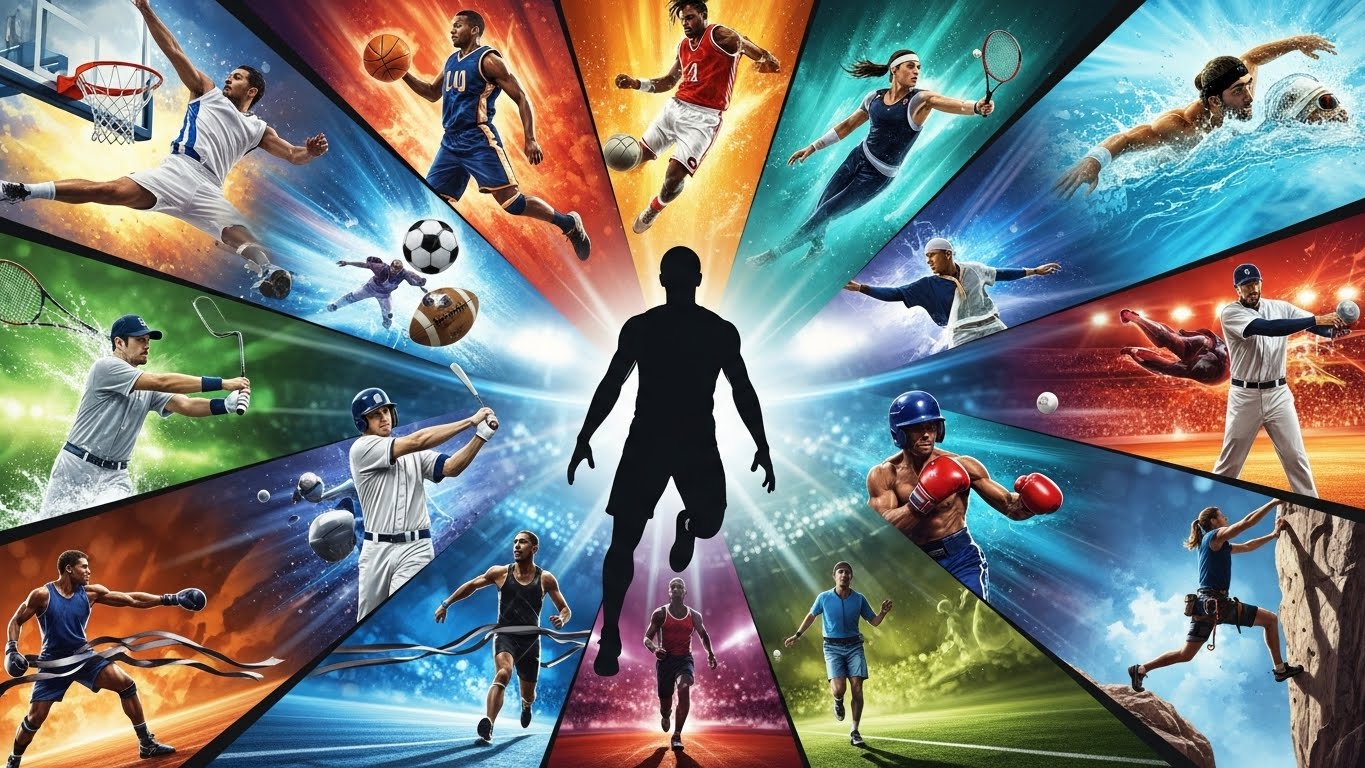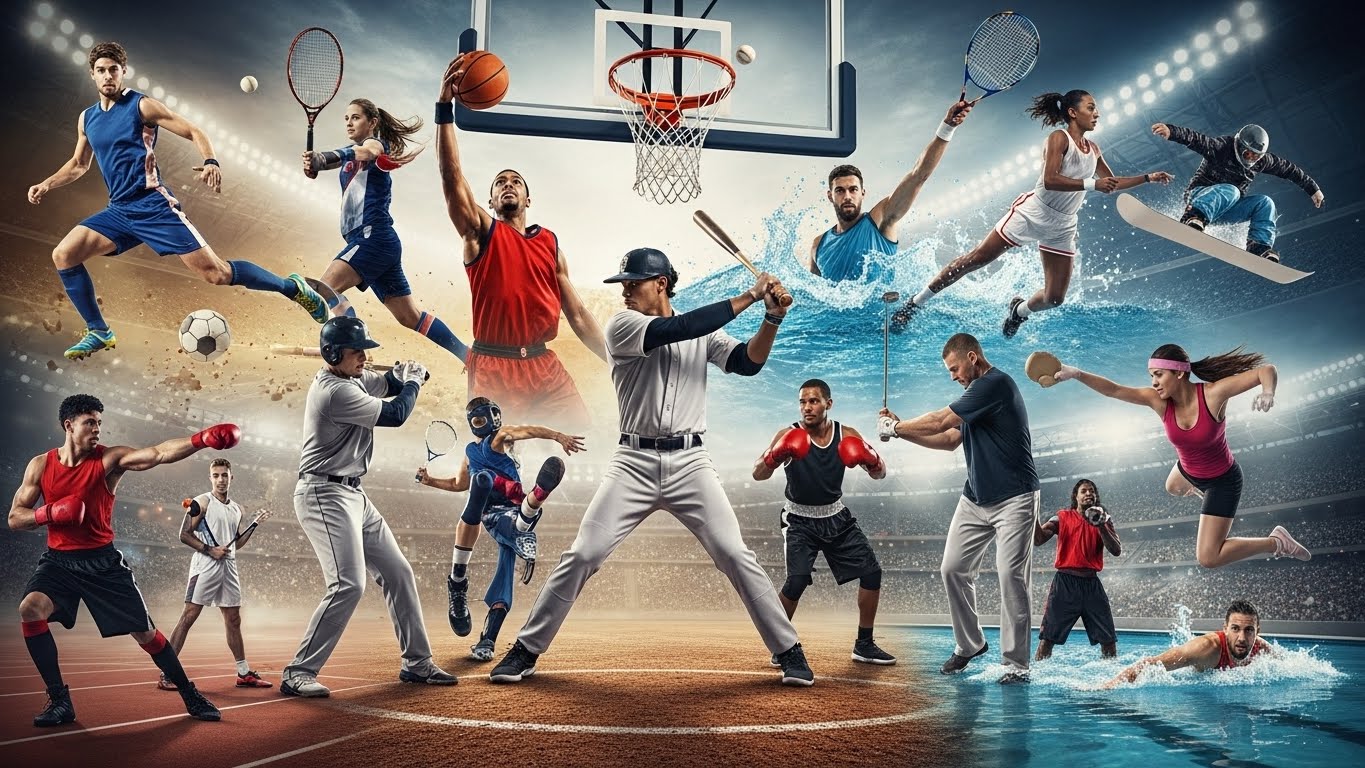

Sports have been an integral part of human culture for centuries, transcending borders, languages, and cultures. They are more than just games; they are a reflection of society, a tool for personal development, and a source of immense entertainment. From grassroots levels to professional arenas, sports have the power to bring people together, inspire nations, and shape identities.
The History of Sports
The history of sports dates back to ancient civilizations. Archaeological evidence suggests that organized games were played in Ancient Egypt and Mesopotamia as far back as 3000 BCE. These early activities were often linked to religious ceremonies and served as a way to train warriors for battle.
The Greeks, however, are perhaps the most celebrated contributors to the early history of sports. The Olympic Games, first held in 776 BCE in Olympia, were more than just competitions; they were a celebration of human strength, skill, and endurance. These games introduced structured competition, record-keeping, and even the concept of athletic excellence.
Over the centuries, sports evolved in various regions of the world. Medieval Europe saw the rise of tournaments and jousting, while in Asia, martial arts and traditional games flourished. The modern era has brought about organized leagues, international tournaments, and global recognition of sports as both entertainment and profession.
Types of Sports
Sports can be broadly categorized into several types based on their nature and rules. Understanding these categories helps in appreciating the diversity of activities available for people of all ages.
1. Team Sports
Team sports involve groups of players working together toward a common goal. Popular examples include football, basketball, volleyball, and cricket. Team sports emphasize collaboration, strategy, and communication. They teach individuals the importance of working together, sharing responsibilities, and supporting teammates through victories and losses alike.
2. Individual Sports
Individual sports focus on personal skill, determination, and discipline. Examples include tennis, athletics, swimming, gymnastics, and boxing. Success in individual sports is often a reflection of personal commitment and mental toughness. These sports encourage self-reliance, goal setting, and personal accountability.
3. Adventure and Extreme Sports
Adventure and extreme sports, such as rock climbing, paragliding, snowboarding, and surfing, push individuals to their physical and mental limits. They are not only thrilling but also cultivate courage, focus, and resilience. While they carry higher risks, the rewards include a sense of achievement and unparalleled adrenaline rush.
4. Mind Sports
Mind sports are activities that challenge the intellect rather than the body. Chess, bridge, eSports, and puzzle-solving competitions fall under this category. These sports enhance critical thinking, problem-solving abilities, strategic planning, and concentration. Despite their non-physical nature, they are considered highly competitive and prestigious worldwide.
The Physical and Mental Benefits of Sports
Engaging in sports offers a plethora of benefits that contribute to a healthier and more fulfilling life.
Physical Health Benefits
Sports are a natural form of exercise that keeps the body fit and active. They improve cardiovascular health, strengthen muscles and bones, enhance flexibility, and promote better coordination. Regular physical activity through sports can also reduce the risk of chronic diseases such as obesity, diabetes, and hypertension.
Mental Health Benefits
Beyond physical fitness, sports have profound effects on mental well-being. Participation in sports releases endorphins, which reduce stress and boost mood. They enhance self-esteem, improve focus, and help manage anxiety and depression. The sense of achievement from mastering a skill or winning a competition contributes to overall psychological health.
Social Benefits
Sports are inherently social activities. Whether participating in team sports or community events, individuals develop social skills such as teamwork, communication, and empathy. Sports also foster a sense of belonging, community engagement, and cultural exchange. International sports events, in particular, promote global unity and understanding.
Sports and Education
Sports play a crucial role in educational systems worldwide. Many schools and universities incorporate sports programs to promote physical fitness, discipline, and leadership skills among students. Athletic programs encourage time management, resilience, and goal-oriented behavior.
Scholarships and professional opportunities in sports further motivate young individuals to pursue excellence both academically and athletically. Combining sports and education helps in shaping well-rounded individuals who excel in multiple aspects of life.
The Economic Impact of Sports
The sports industry is a major economic driver globally. It generates employment opportunities, stimulates tourism, and contributes significantly to the economy. From stadium construction to broadcasting rights, merchandise sales, and sponsorship deals, the economic impact of sports is vast.
Professional leagues and tournaments attract millions of spectators and fans, creating revenue streams for athletes, teams, and associated businesses. Additionally, sports tourism, including fans traveling to watch major events, boosts local economies and promotes cultural exchange.
Iconic Sports Events Around the World
Some sports events have transcended their competitive nature to become global celebrations of human talent and spirit.
The Olympics
The Olympic Games, held every four years, bring together athletes from around the world to compete in diverse sports disciplines. They symbolize unity, peace, and excellence, showcasing the highest standards of human performance.
FIFA World Cup
The FIFA World Cup is the pinnacle of international football, captivating billions of fans globally. The event not only highlights footballing talent but also fosters national pride and international camaraderie.
Wimbledon
Wimbledon, one of the most prestigious tennis tournaments, represents tradition, sportsmanship, and elite athletic performance. The tournament is known for its iconic grass courts, strict dress codes, and memorable matches that have shaped tennis history.
Super Bowl
The Super Bowl, the championship game of American football, is a cultural phenomenon. Beyond the sport itself, it features entertainment, advertisements, and social gatherings, making it one of the most-watched sporting events worldwide.
The Role of Technology in Modern Sports
Technology has transformed how sports are played, viewed, and analyzed.
Training and Performance
Athletes use advanced tools such as wearable sensors, video analysis, and performance-tracking software to enhance training and prevent injuries. Data-driven insights allow coaches to optimize strategies and monitor athlete health meticulously.
Broadcasting and Viewing Experience
High-definition broadcasting, virtual reality experiences, and interactive platforms have revolutionized the way fans engage with sports. People can watch live events from anywhere in the world, analyze gameplay, and even participate in fantasy leagues.
Fair Play and Officiating
Technological advancements like instant replay, goal-line technology, and VAR (Video Assistant Referee) have improved the accuracy of officiating. They ensure fair play, reduce human error, and maintain the integrity of competitions.
Sports and Cultural Influence
Sports have a profound influence on culture and society. They shape identities, inspire art, and create shared experiences. Athletes often become role models, influencing fashion, language, and lifestyle.
Sports also serve as a platform for social change. Movements advocating equality, diversity, and environmental awareness often find a voice through sports events and athletes. From promoting gender equality to raising awareness about social issues, sports continue to impact society far beyond the field of play.
Challenges in the World of Sports
While sports offer numerous benefits, the industry faces several challenges.
Doping and Fair Play
Performance-enhancing drugs threaten the integrity of sports. Governing bodies implement strict anti-doping measures, but the pursuit of unfair advantage remains a persistent issue.
Commercialization
The commercialization of sports has led to debates about prioritizing profit over athletes’ well-being and the true spirit of competition. High financial stakes can sometimes overshadow the love for the game.
Accessibility and Inclusion
Despite global growth, access to sports remains unequal. Economic, social, and cultural barriers prevent many from participating, particularly women, people with disabilities, and marginalized communities. Ensuring inclusivity and accessibility is an ongoing challenge for the industry.
The Future of Sports
The future of sports is a blend of tradition and innovation. Emerging technologies, increased global connectivity, and evolving societal values will shape how sports are played, viewed, and experienced.
Esports, for example, is rapidly gaining recognition as a legitimate competitive platform, attracting millions of participants and viewers. Virtual reality and augmented reality experiences promise to redefine fan engagement. Meanwhile, sustainability initiatives aim to reduce the environmental impact of sporting events and facilities.
The essence of sports, however, remains timeless. The thrill of competition, the joy of physical activity, and the sense of unity will continue to resonate across generations.
Conclusion
Sports are far more than just games; they are a reflection of human aspiration, culture, and community. They inspire individuals, unite societies, and contribute to physical, mental, and economic well-being. From ancient Olympic traditions to modern esports arenas, the world of sports continues to evolve while maintaining its core values of excellence, discipline, and camaraderie.
Engaging with sports, whether as a player, coach, or fan, provides lessons that extend far beyond the field. It teaches perseverance, teamwork, and the importance of fair play. It fuels dreams, celebrates achievement, and brings the world together in ways few other activities can. In every corner of the globe, sports remain a universal language that connects humanity.