Introduction: More Than Just a Game
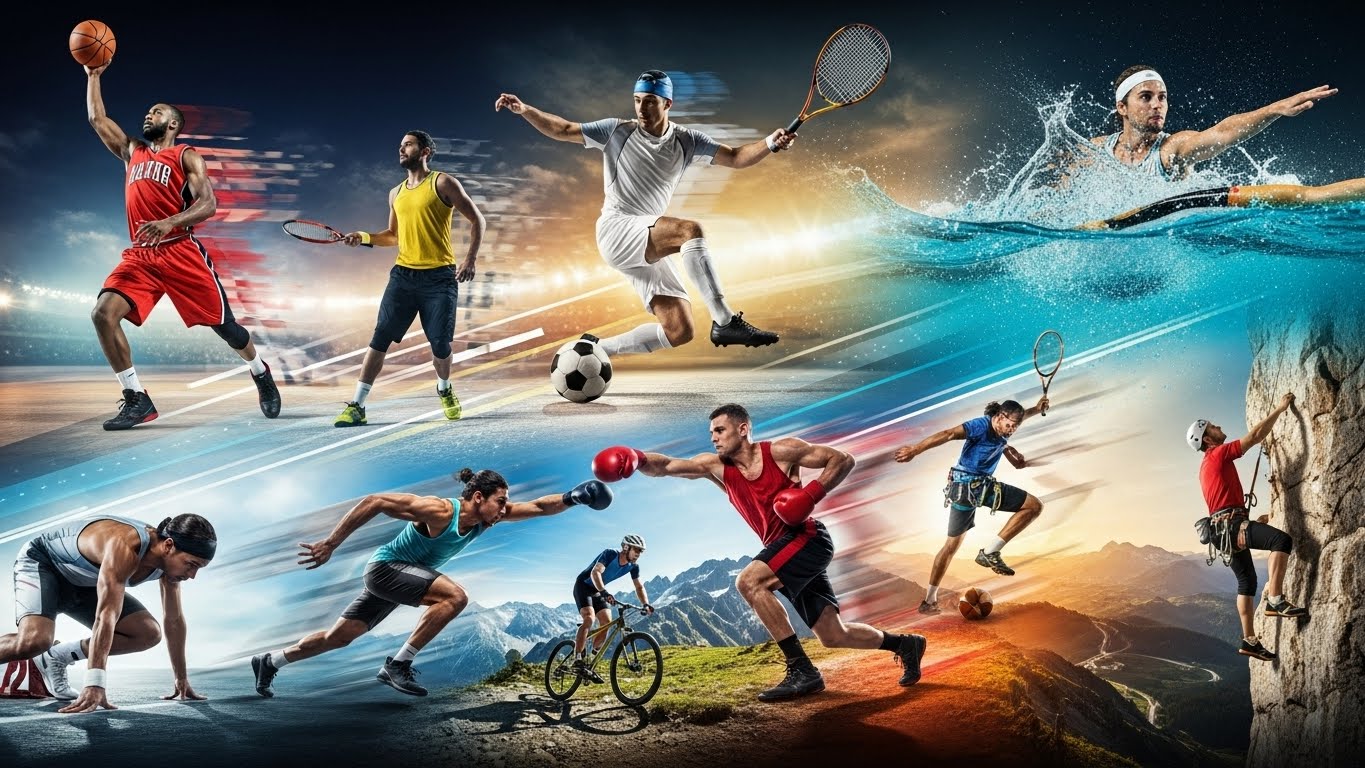
Sports have always been more than a contest between two sides chasing victory. They are emotional experiences, cultural expressions, and powerful tools that influence individuals and societies alike. From crowded stadiums echoing with cheers to quiet playgrounds where dreams begin, sports create moments that stay with people for a lifetime. They teach lessons that classrooms often cannot and build connections that go beyond language, nationality, or background. In today’s fast-paced world, sports continue to evolve, but their core purpose remains the same: to inspire, unite, and challenge humanity to be better.
The Historical Roots of Sports and Human Competition
The history of sports is deeply tied to the history of civilization itself. Ancient societies used athletic contests to prepare warriors, celebrate religious rituals, and display physical excellence. From the Olympic Games in ancient Greece to traditional wrestling and racing events in Asia and Africa, sports have always reflected the values and priorities of their cultures. These early competitions laid the foundation for modern sports, transforming physical activity into organized events with rules, spectators, and lasting legacies.
As societies advanced, sports became more structured and inclusive. What began as survival training slowly turned into entertainment, professional careers, and global industries. Yet, even with modern technology and commercialization, sports still carry echoes of their ancient purpose: pushing human limits and celebrating perseverance.
Sports as a Mirror of Society
Sports often reflect the social, political, and economic realities of their time. Moments of triumph and controversy in sports history frequently parallel broader societal struggles. Issues such as equality, gender representation, and racial justice have found powerful voices through athletes and sporting events. When players speak out or take symbolic actions, the impact reaches far beyond the field.
This connection between sports and society allows games to become platforms for dialogue and change. Fans do not just watch athletes perform; they witness stories of resilience, resistance, and hope. In many cases, sports have helped challenge stereotypes and open conversations that might otherwise remain ignored.
The Psychological Power of Sports
One of the most profound impacts of sports lies in their effect on the human mind. Participation in sports builds discipline, confidence, and emotional resilience. Athletes learn how to handle pressure, cope with failure, and celebrate success with humility. These mental skills are transferable to every area of life, from education to professional careers.
For spectators, sports offer emotional release and connection. The joy of victory and the pain of defeat create shared experiences that strengthen community bonds. Supporting a team often becomes part of a person’s identity, providing a sense of belonging and purpose in an increasingly individualistic world.
Youth Development and the Role of Sports
Sports play a critical role in shaping young minds and bodies. For children and teenagers, sports provide structure, teamwork, and a healthy outlet for energy. Through training and competition, young athletes learn responsibility, time management, and respect for others. These lessons often stay with them long after they stop playing.
Beyond physical health, sports help young people develop social skills and emotional intelligence. Learning to cooperate with teammates, accept guidance from coaches, and face challenges builds maturity. In many communities, sports also serve as a pathway to education and opportunity, offering hope where resources may be limited.
The Evolution of Professional Sports
Professional sports have transformed dramatically over the past century. What was once a pastime has become a global industry involving media, sponsorships, and technology. Athletes are now global icons, influencing fashion, culture, and social trends. This evolution has brought both opportunities and challenges.
On one hand, professional sports create jobs, inspire millions, and generate economic growth. On the other hand, commercialization can sometimes overshadow the spirit of fair play and passion. Balancing business interests with authenticity remains one of the biggest challenges facing modern sports organizations.
Technology and the Changing Face of Sports
Technology has reshaped how sports are played, watched, and analyzed. Advanced training methods, performance analytics, and medical innovations have extended athletic careers and improved safety. Fans now experience games through high-definition broadcasts, real-time statistics, and immersive viewing experiences.
While technology enhances performance and engagement, it also raises questions about fairness and accessibility. Not all athletes or regions have equal access to advanced resources, creating gaps in competition. As technology continues to evolve, sports must adapt while preserving the integrity that makes competition meaningful.
Women in Sports and the Fight for Recognition
The rise of women in sports represents one of the most significant developments in modern athletics. Female athletes have consistently demonstrated excellence, determination, and leadership, often in the face of inequality and limited support. Their achievements have challenged outdated perceptions and inspired new generations to pursue their passions without fear.
Despite progress, the journey toward equal recognition and opportunity continues. Media coverage, funding, and leadership roles still reflect disparities. However, the growing visibility and success of women in sports signal a future where talent and dedication matter more than gender.
Sports as a Tool for Global Unity
Few things unite people like sports. International competitions bring together nations that may otherwise have little common ground. During major tournaments, differences fade as fans celebrate shared moments of excitement and pride. Sports diplomacy has even played a role in easing tensions and building bridges between countries.
This unifying power highlights the universal language of sports. A goal scored, a race won, or a record broken can evoke the same emotions across continents. In a divided world, sports remind humanity of its shared values and collective potential.
The Personal Journey of an Athlete
Behind every athlete lies a story of sacrifice, struggle, and determination. Success in sports rarely comes without setbacks. Injuries, losses, and self-doubt test even the most talented individuals. What sets great athletes apart is not just skill, but the ability to persist through adversity.
These personal journeys inspire fans because they reflect real human experiences. Athletes become symbols of hope, showing that dedication and belief can overcome obstacles. Their stories encourage people to chase goals beyond sports, applying the same mindset to life’s challenges.
The Future of Sports in a Changing World
As society continues to change, so will sports. Issues such as sustainability, mental health awareness, and inclusivity are shaping the future of athletics. Fans and athletes alike are demanding more ethical practices and greater responsibility from sports organizations.
The next generation of sports will likely focus not only on performance but also on purpose. Sports will continue to entertain, but they will also educate, empower, and influence global conversations. By embracing innovation while honoring tradition, sports can remain a positive force for generations to come.
Conclusion: Why Sports Will Always Matter
Sports endure because they touch something deeply human. They challenge the body, engage the mind, and connect the heart. Whether played in massive arenas or small neighborhoods, sports create moments that define lives and bring people together. They teach lessons of perseverance, teamwork, and respect that extend far beyond the final score.
In a world constantly seeking meaning and connection, sports remain a powerful reminder of what humans can achieve when passion meets purpose. Beyond the scoreboard lies a story of growth, unity, and endless possibility, ensuring that sports will always hold a special place in the human experience.