Introduction: More Than Just a Game
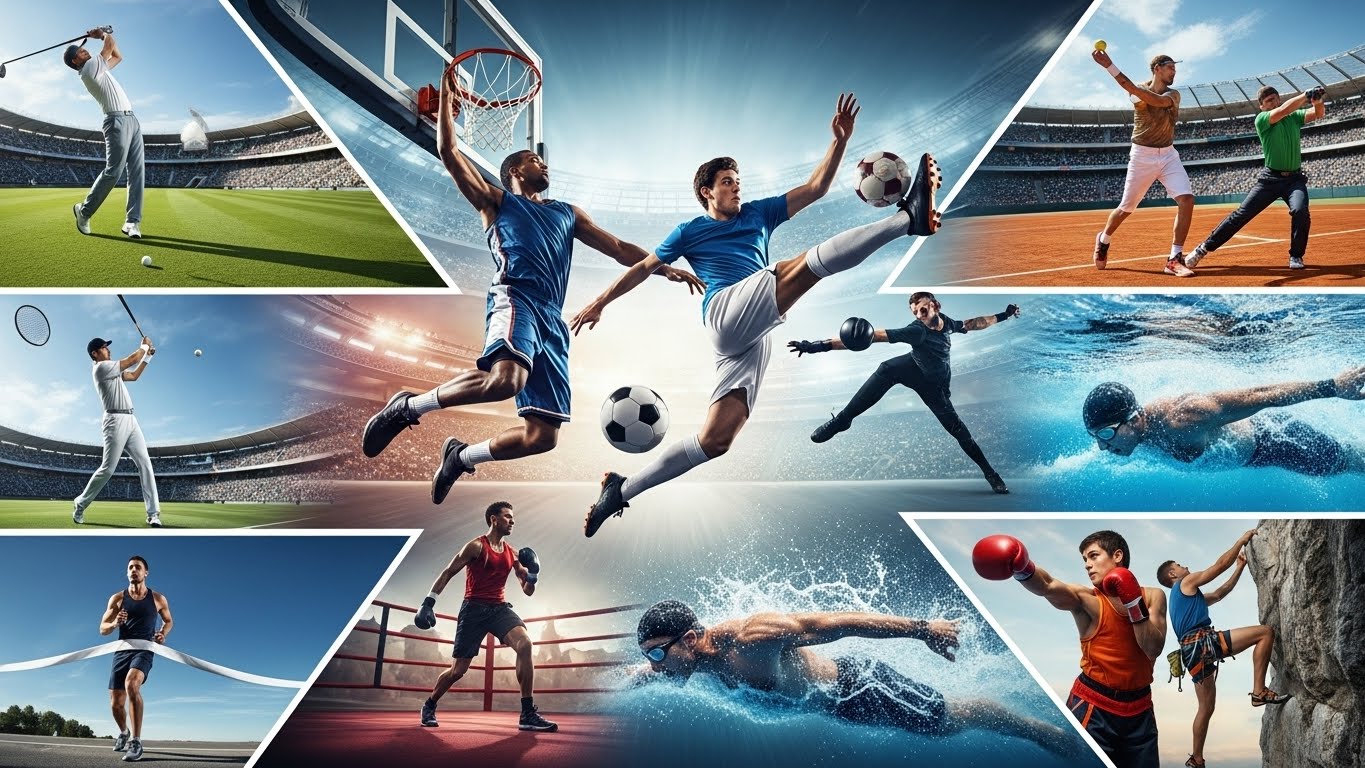
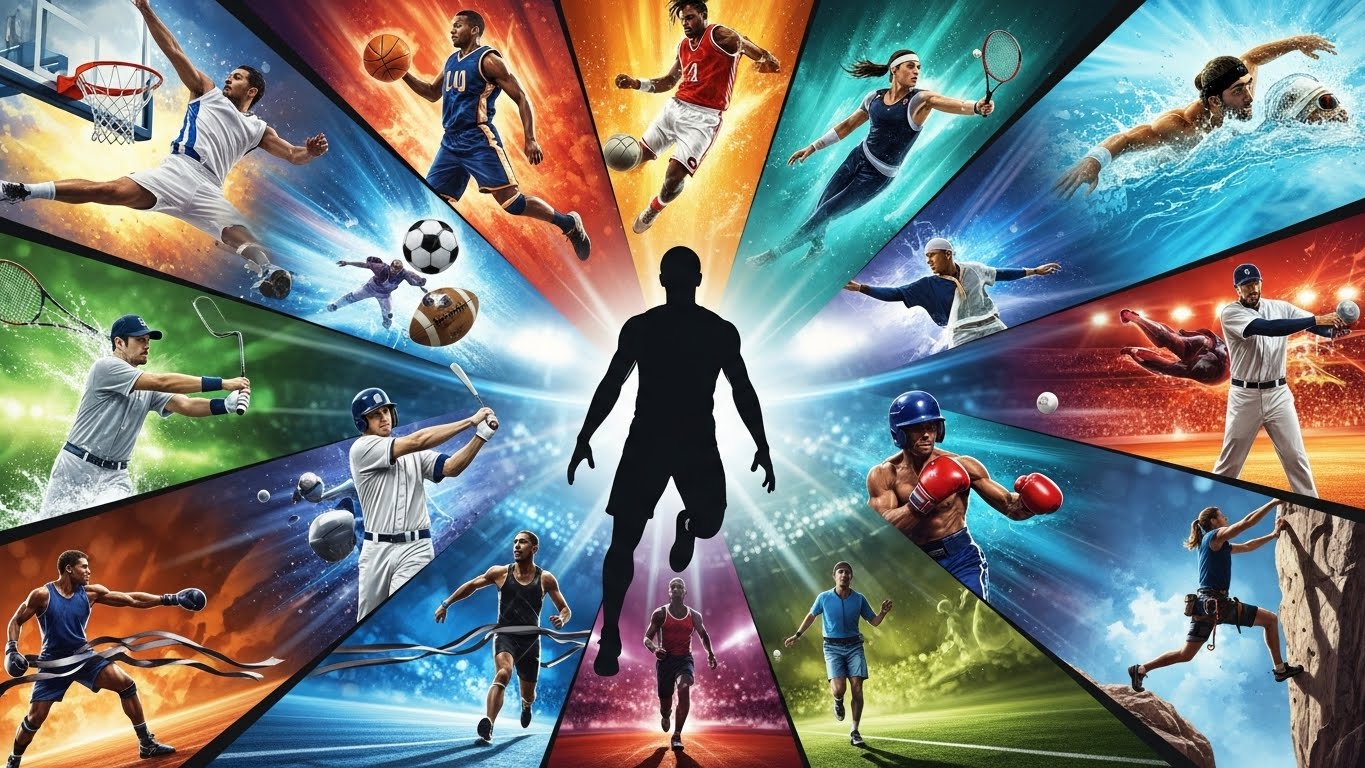
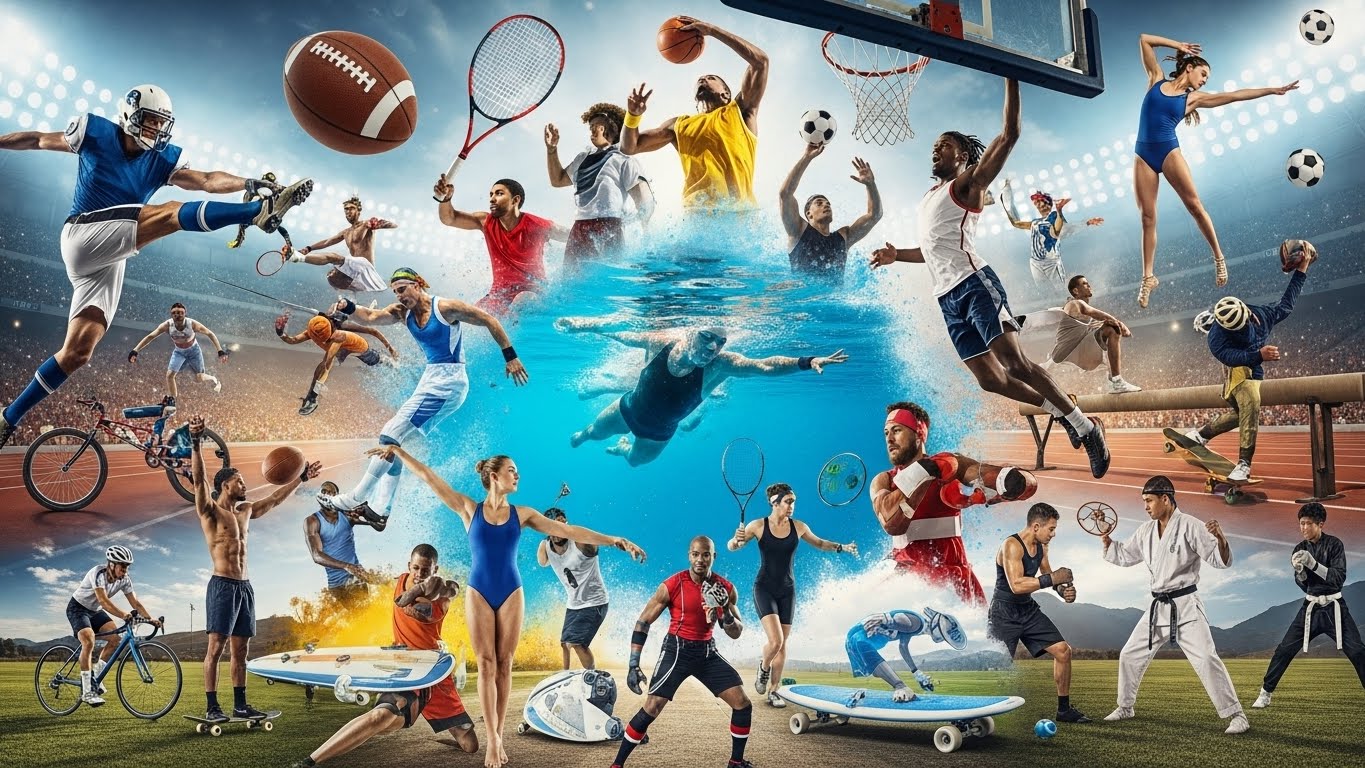
Sports have always been an essential part of human civilization. From ancient athletic contests held in open arenas to modern global tournaments watched by millions, sports go far beyond physical competition. They represent passion, discipline, unity, and resilience. While the final score often captures attention, the true impact of sports lies in how they influence individuals and societies. Sports teach lessons that classrooms cannot, build bridges across cultures, and create moments that live forever in collective memory. This blog explores sports not just as games, but as powerful forces that shape character, culture, and community.
The Roots of Sports in Human History
The history of sports is closely linked to the history of humanity itself. Ancient civilizations used sports as training for war, preparation for survival, and celebration of physical excellence. Early Olympic Games in Greece honored strength and fairness, while traditional games in Asia, Africa, and the Americas reflected local values and customs. These activities were not merely entertainment but expressions of identity. Over time, sports evolved alongside societies, adapting to new rules, technologies, and audiences while maintaining their core purpose of competition and cooperation.
Sports as a Builder of Character
One of the most powerful contributions of sports is character development. Athletes learn discipline through consistent practice and commitment. They understand the value of hard work when improvement comes only after repeated effort. Sports also teach patience, as progress is often slow and setbacks are common. Losing a match can be painful, but it builds emotional strength and humility. Winning, on the other hand, teaches responsibility and respect. These lessons extend beyond the field and influence behavior in education, careers, and personal relationships.
The Role of Sports in Physical and Mental Health
Sports play a vital role in maintaining physical health. Regular participation improves strength, endurance, flexibility, and overall fitness. It reduces the risk of lifestyle-related diseases and encourages active living. Equally important is the impact on mental health. Sports help reduce stress, improve focus, and boost self-esteem. The sense of achievement after a good performance or even a challenging practice session can uplift mood and confidence. For many people, sports become a healthy outlet for emotions and a source of balance in a demanding world.
Team Sports and the Power of Unity
Team sports highlight the importance of cooperation and trust. Success depends not on one individual but on collective effort. Players must communicate effectively, understand each other’s strengths, and support one another during difficult moments. This teamwork mirrors real-life situations where collaboration is essential. Through team sports, individuals learn leadership, accountability, and empathy. The shared goal creates a sense of belonging that strengthens bonds and builds lasting friendships.
Individual Sports and the Journey Within
While team sports emphasize unity, individual sports focus on self-mastery. Athletes competing alone face their own limits, fears, and doubts. Every victory is deeply personal, and every loss becomes a lesson. Individual sports teach self-discipline, independence, and mental toughness. The athlete becomes both the challenger and the solution, learning to rely on inner strength and focus. This journey often leads to greater self-awareness and confidence that extends into other areas of life.
Sports as a Cultural Expression
Sports reflect the culture of the societies in which they are played. National games carry traditions, rituals, and values unique to their regions. Stadium chants, team colors, and fan celebrations are cultural symbols passed down through generations. International competitions showcase diversity while promoting mutual respect. When people from different backgrounds come together to watch or play sports, cultural barriers fade, replaced by shared excitement and admiration for skill and effort.
The Influence of Sports Heroes
Sports heroes inspire millions around the world. Their stories of struggle, dedication, and success motivate young athletes and fans alike. These figures often become role models, demonstrating the importance of perseverance and integrity. Beyond their achievements, their conduct on and off the field can influence attitudes and behavior. When athletes use their platform responsibly, they encourage positive change and inspire belief in what is possible through determination and hard work.
Sports and Community Connection
At the community level, sports bring people together like few other activities can. Local matches, school tournaments, and neighborhood games create opportunities for social interaction and shared experiences. Sports events become gathering points where people celebrate, support, and connect. They strengthen community pride and provide a sense of identity. For young people, community sports programs offer guidance, structure, and positive role models, helping them develop skills and confidence in a supportive environment.
The Economic and Social Impact of Sports
Sports also play a significant role in economic and social development. Major events create jobs, boost local businesses, and promote tourism. Sports infrastructure improves facilities and public spaces. On a social level, sports programs can address issues such as inclusion, equality, and youth development. By providing opportunities regardless of background, sports can help reduce social barriers and promote fairness and opportunity.
Technology and the Evolution of Sports
Modern technology has transformed sports in remarkable ways. Advanced training methods, performance analysis, and improved equipment have elevated athletic standards. Broadcasting innovations allow fans to experience games in immersive ways, bringing action closer than ever before. Technology has also enhanced fairness through better officiating tools. Despite these changes, the essence of sports remains the same, driven by human effort, emotion, and competition.
Challenges and Responsibilities in Modern Sports
With growth and popularity come challenges. Issues such as excessive pressure, commercialization, and unethical practices can threaten the true spirit of sports. Athletes face intense expectations, and the balance between competition and well-being can be difficult to maintain. Addressing these challenges requires responsibility from organizations, coaches, fans, and players. Protecting fairness, health, and integrity ensures that sports remain a positive force for future generations.
The Future of Sports
The future of sports lies in inclusivity, innovation, and sustainability. Expanding opportunities for women, differently-abled athletes, and underrepresented communities will enrich the sporting world. Embracing new formats and technologies can attract younger audiences while preserving traditional values. Most importantly, keeping the focus on personal growth, enjoyment, and community will ensure that sports continue to inspire and unite people across the globe.
Conclusion: The Lasting Legacy of Sports
Sports are far more than competitions measured by points and trophies. They shape character, reflect culture, and strengthen communities. Through victory and defeat, sports teach lessons that last a lifetime. They remind us of the power of effort, the importance of teamwork, and the beauty of fair competition. In a constantly changing world, sports remain a universal language that connects hearts and minds. Beyond the scoreboard, their true legacy lives in the values they instill and the bonds they create.