Introduction: The Universal Appeal of Sports
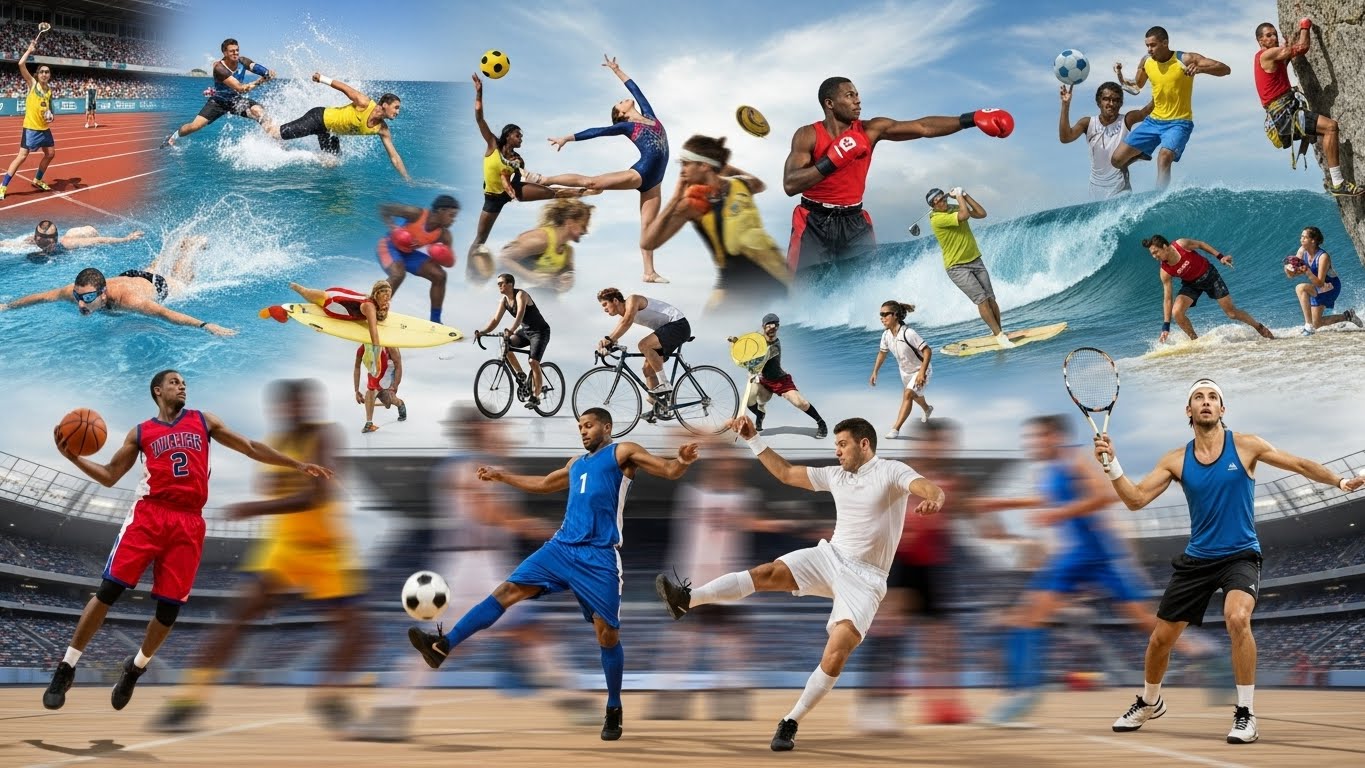
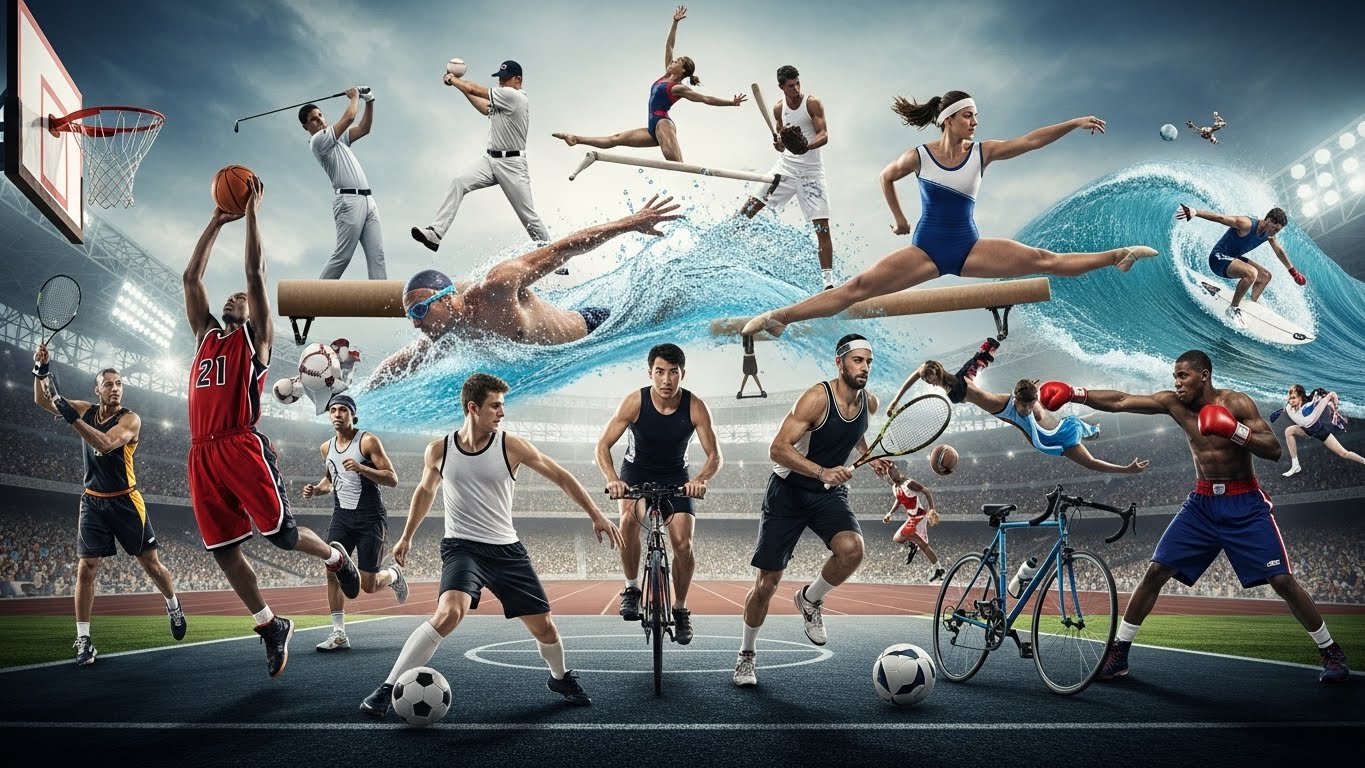
Sports have always held a special place in human society. From ancient times when athletic contests were part of cultural and religious festivals to modern-day global competitions, sports have been a unifying force that transcends language, geography, and social boundaries. Whether it is football, basketball, cricket, tennis, or athletics, sports provide entertainment, foster social connections, and instill life skills. Beyond the thrill of competition, sports teach discipline, resilience, teamwork, and perseverance. They offer both participants and spectators a sense of purpose, identity, and belonging, making sports a universal language understood across cultures.
Physical Benefits of Sports
Engaging in sports has profound physical benefits. Regular participation strengthens muscles, improves cardiovascular health, enhances flexibility, and boosts endurance. Each sport targets different aspects of fitness: running and swimming improve stamina, weightlifting builds strength, while gymnastics and yoga enhance balance and flexibility. Team sports such as football and basketball combine aerobic fitness with strength, agility, and coordination. Beyond improving overall health, sports help maintain a healthy weight, reduce the risk of chronic diseases, and promote longevity. For children and adolescents, participation in sports supports healthy growth and development, while for adults, it provides a structured method to maintain fitness in the midst of a busy lifestyle.
Mental Health and Emotional Resilience
Sports are equally important for mental health. Physical activity stimulates the release of endorphins, the body’s natural mood lifters, reducing stress, anxiety, and depression. Competing in sports fosters focus, concentration, and strategic thinking. Athletes learn to manage pressure, overcome setbacks, and cope with failure, developing resilience that extends into everyday life. The experience of setting goals, achieving milestones, and facing challenges cultivates confidence and emotional strength. For many, sports serve as an outlet for emotions, providing a healthy way to release tension, build self-esteem, and maintain mental well-being.
Teamwork and Leadership
Team sports offer valuable lessons in collaboration, communication, and leadership. Players learn to understand their teammates’ strengths and weaknesses, coordinate strategies, and work towards a common goal. Leadership skills emerge naturally, whether it is guiding a team during a match, motivating peers, or demonstrating integrity on the field. These skills translate into personal and professional life, helping individuals become better collaborators and leaders. Even individual sports like tennis or swimming involve indirect teamwork, such as supporting coaches and peers, showing that sports cultivate a broad spectrum of social and leadership skills.
Cultural Significance of Sports
Sports play a vital role in shaping culture and identity. Major sporting events like the Olympics, FIFA World Cup, or national leagues inspire pride, unity, and excitement among fans. Athletes often become cultural icons, symbolizing perseverance, excellence, and national pride. Historic sporting moments can leave lasting impressions on societies, inspiring generations to pursue excellence and break barriers. Moreover, sports have the power to challenge stereotypes, promote diversity, and encourage inclusivity. They provide a platform for social change, highlighting issues such as gender equality, racial justice, and accessibility, while celebrating human achievement in all its forms.
Economic Impact of Sports
The sports industry is a major economic driver, generating revenue from ticket sales, merchandise, broadcasting rights, sponsorships, and media production. Professional sports leagues create jobs for athletes, coaches, referees, trainers, media personnel, and marketing teams. Local economies benefit when stadiums, arenas, and sporting events attract tourism, investment, and business opportunities. Community sports programs also contribute economically by promoting participation, improving public health, and encouraging youth engagement. The global sports industry demonstrates that sports are not only culturally and socially valuable but also economically significant, creating opportunities for millions of people worldwide.
Technology and Innovation in Sports
Modern technology has transformed the way sports are played, viewed, and analyzed. Advanced equipment, wearable technology, and performance analytics help athletes optimize their training and enhance performance. Video replay and instant analysis allow teams to refine strategies, identify strengths, and address weaknesses. Fans also benefit from innovations such as interactive broadcasting, virtual reality experiences, and real-time statistics, making sports more engaging than ever. Technology continues to evolve, improving training methods, safety measures, and spectator experience, bridging the gap between athletes and audiences in unprecedented ways.
Inspiring the Next Generation
One of the most profound impacts of sports is its ability to inspire young people. Children and adolescents look up to athletes as role models, motivating them to develop skills, work hard, and pursue their dreams. Participation in sports teaches goal-setting, discipline, time management, and resilience. Youth sports programs provide safe environments where children can learn, compete, and socialize while fostering lifelong values. These programs are essential for discovering talent, building confidence, and nurturing the next generation of athletes who may go on to achieve professional success or positively influence their communities.
Social Integration and Community Building
Sports bring people together, fostering social cohesion and community spirit. Local leagues, recreational clubs, and public events provide opportunities for interaction, teamwork, and friendship. Sports unite individuals across age, gender, ethnicity, and social class, creating shared experiences and collective memories. Community-based programs often address social challenges by engaging youth in productive activities, promoting health, and providing mentorship. By bringing people together in celebration, competition, and collaboration, sports play a key role in building inclusive, resilient, and connected communities.
Ethics and Sportsmanship
The principles of ethics and sportsmanship are central to the spirit of sports. Fair play, respect for opponents, adherence to rules, and humility in victory or defeat ensure that competition remains meaningful and honorable. Athletes who uphold these values set examples for others, reinforcing the idea that character is as important as skill. Lessons learned through sportsmanship extend into daily life, emphasizing integrity, accountability, and respect in personal, academic, and professional contexts. Sports demonstrate that how one plays the game is often as important as winning, shaping individuals into principled and responsible citizens.
Conclusion: The Enduring Influence of Sports
Sports are far more than physical activity or entertainment. They shape individuals’ physical health, mental resilience, and social skills while influencing culture, community, and the economy. They teach lessons that extend beyond the field, court, or track, instilling discipline, teamwork, leadership, and ethical values. Through global events, local leagues, and youth programs, sports inspire pride, passion, and connection among participants and spectators alike. They serve as a platform for personal growth, social cohesion, and cultural expression. In every sprint, goal, or victory, sports affirm the human spirit’s drive for excellence, collaboration, and achievement. The enduring power of sports lies in their ability to transform lives, unite communities, and inspire generations, proving that the impact of athletic pursuit extends far beyond the final score.