Introduction: A New Era of Sporting Excellence
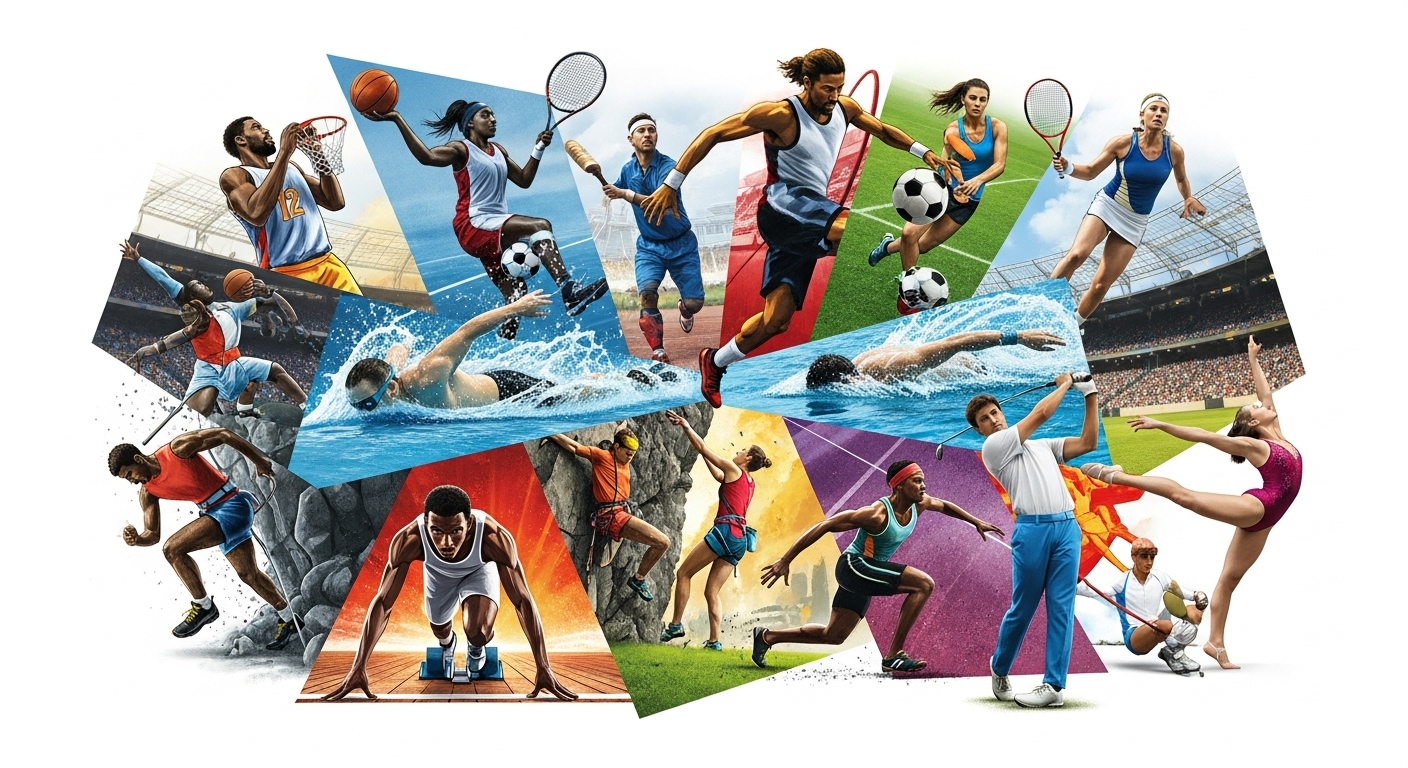
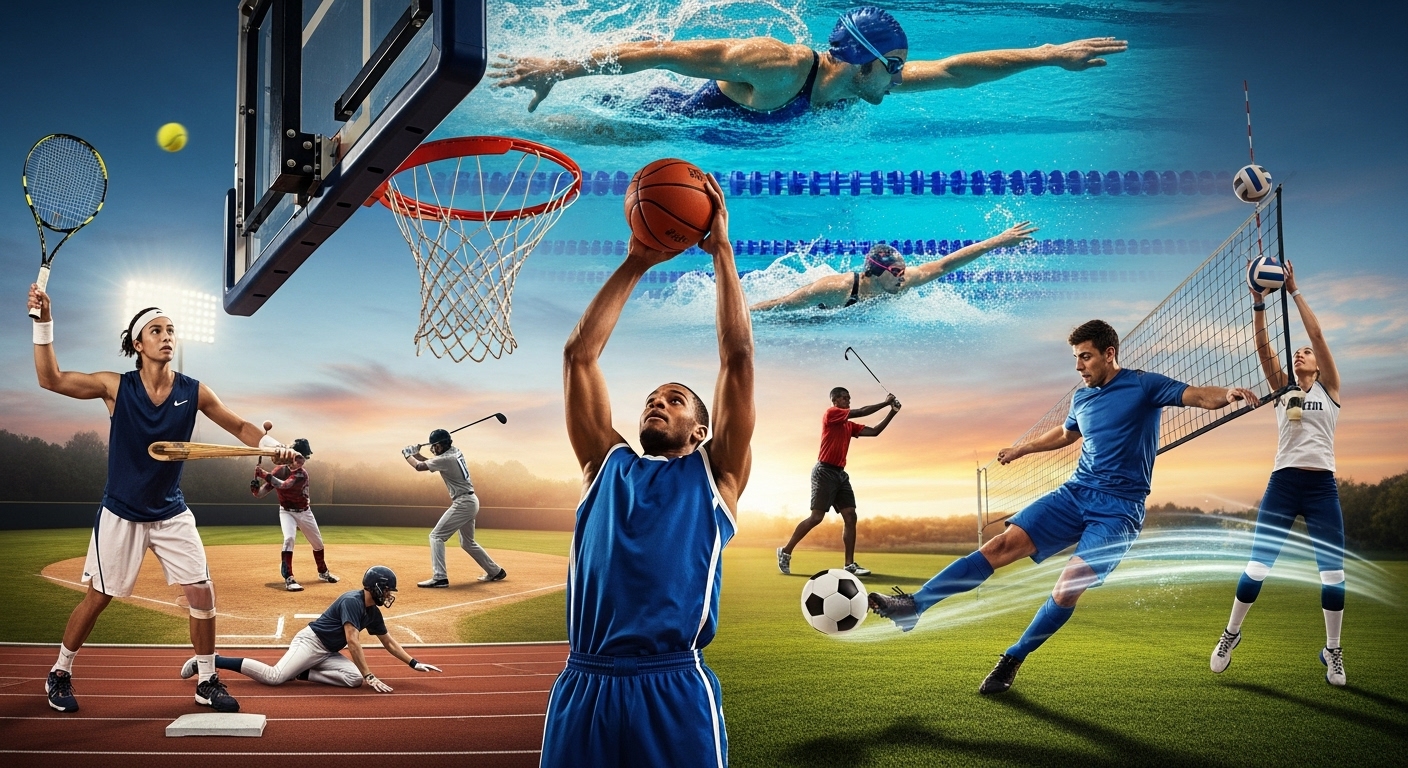
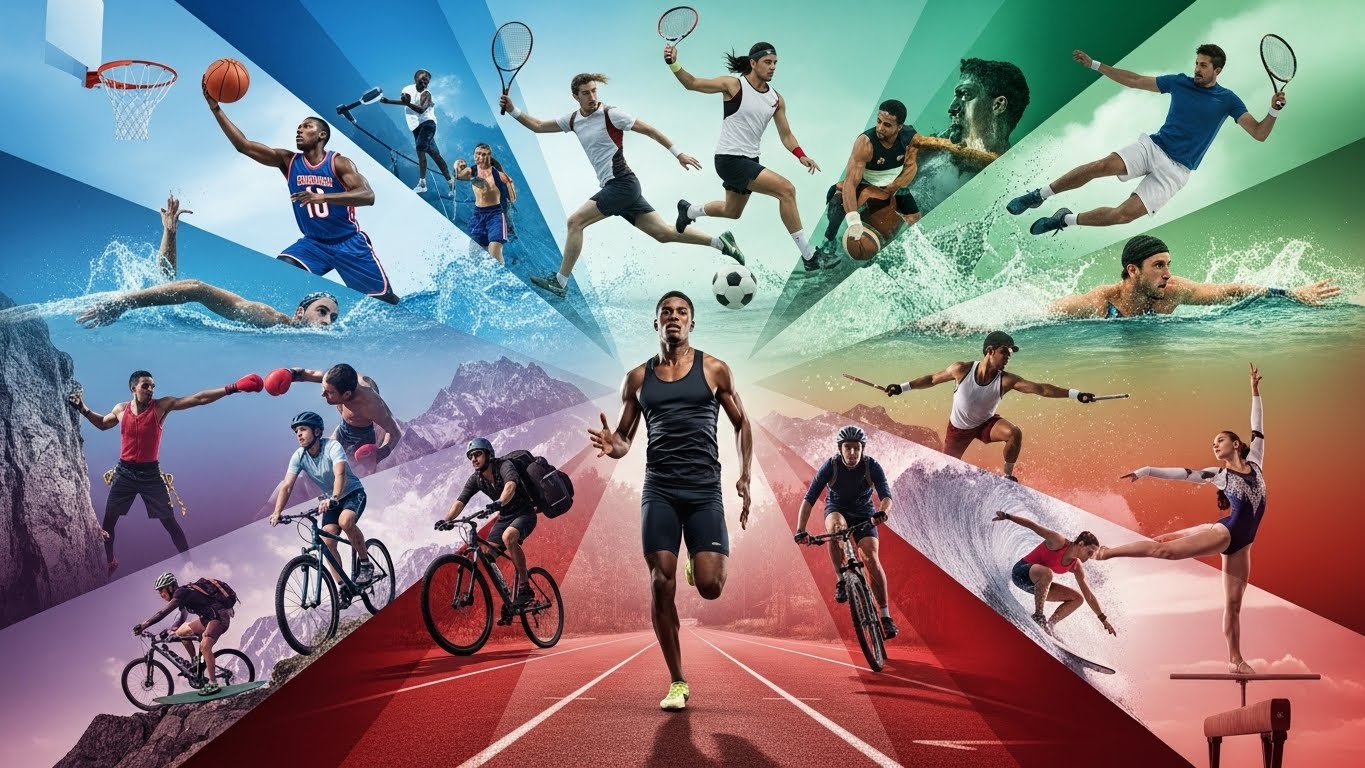
Sports have always been more than simple games. They are a reflection of human determination, discipline, and the relentless desire to push limits. In recent years, the world of sports has undergone a powerful transformation. Athletes today are not only breaking records but reshaping our understanding of physical and mental resilience. With advances in training methods, sports science, and global exposure, modern sports culture is evolving faster than ever. This blog explores how today’s athletes are redefining excellence and why their journeys inspire millions.
The Evolution of Athletic Training
Sports training was once rooted in routine drills and traditional exercises. While these methods built strong foundations, they lacked the scientific refinement seen today. Modern athletes now follow highly personalized training programs that consider biomechanics, nutrition, recovery cycles, and even genetic predispositions.
Strength and conditioning are no longer just about building muscle; they are about building functional power suited to the specific demands of each sport. Runners train for stride efficiency, swimmers for stroke optimization, and basketball players for explosive agility. High-performance coaches use data-driven approaches, motion-capture technology, and injury-prevention analytics to help athletes reach peak performance without compromising health.
This fusion of science and sport has enabled athletes to go beyond the limits once thought unreachable. Training is smarter, not just harder, and the results speak for themselves.
Mental Toughness: The Silent Champion
While physical conditioning is essential, mental strength has become the true separating factor among elite athletes. The pressures of competition, media expectations, and personal goals can overwhelm even the most gifted individuals. This is why psychological resilience is now recognized as a vital part of sports success.
Techniques such as visualization, mindfulness, and cognitive behavioral strategies are widely integrated into training programs. Athletes learn to manage anxiety, stay focused, and maintain confidence even in the most challenging moments. Mental coaches and sports psychologists play an important role in helping competitors develop a mindset that turns obstacles into opportunities.
The rise of open conversations about mental health has also empowered athletes to seek support without fear of judgment. This shift not only improves performance but encourages healthier, more balanced lives.
Nutrition: Fueling the Champion Within
Gone are the days when athletes relied solely on natural talent and basic meals to compete. Today’s sports nutrition is a sophisticated science designed to enhance endurance, focus, and recovery. Every calorie counts, and every nutrient plays a specific role.
Athletes now follow customized diet plans that align with their training cycles. These plans balance carbohydrates, proteins, and fats while incorporating essential vitamins and minerals. Hydration strategies ensure optimal performance during long and intense sessions, while recovery nutrition helps rebuild muscles and restore energy.
The emergence of advanced supplements, plant-based performance diets, and professional nutrition coaching has made it easier for athletes to maintain peak conditioning all year round. Proper nutrition has become a competitive advantage that no modern athlete can afford to overlook.
Technology’s Impact on Modern Sports
Technology has reshaped the sports landscape in extraordinary ways. From wearable fitness trackers to AI-powered analytics, athletes have access to insights that previous generations could only dream of.
Wearable devices monitor heart rate variability, oxygen levels, sleep quality, and even stress. High-speed cameras and sensors provide instant feedback on posture, movement efficiency, and reaction time. Artificial intelligence can predict injury risks and suggest adjustments before issues develop.
Furthermore, virtual reality training allows players to simulate high-pressure situations without physical strain. This helps athletes sharpen strategic decision-making and improve game awareness.
Technology ultimately bridges the gap between potential and performance. It provides clarity, precision, and in many cases, a competitive edge that elevates athletes to new heights.
The Rise of Global Sports Culture
Sports have become a universal language that unites people from every corner of the world. Thanks to global broadcasting, social media, and international tournaments, fans now follow athletes across continents and disciplines.
This global exposure helps athletes build powerful personal brands. They are not just competitors, but influencers who inspire change, promote health, and motivate communities. Young aspiring athletes gain access to training videos, interviews, and behind-the-scenes content that fuels their dreams.
The interconnectedness of the sports world also promotes collaboration. Training camps, workshops, and international competitions allow athletes to learn from each other, share techniques, and experience diverse sporting cultures.
The result is a global sports environment that fosters innovation, diversity, and unity.
The Growing Importance of Inclusivity in Sports
One of the most profound shifts in modern sports is the push for inclusivity. More athletes from underrepresented communities are gaining recognition, and more platforms are being created for individuals with disabilities. Adaptive sports and para-competitions highlight extraordinary courage and capability.
Women’s sports are also achieving new levels of respect and visibility. Female athletes are shining on the world stage, breaking stereotypes, and proving that skill and passion know no gender. Support for equal pay, better resources, and fair coverage is growing stronger each year.
Inclusivity in sports not only broadens participation but also strengthens the spirit of unity and fairness.
Youth Development: Nurturing Tomorrow’s Champions
The foundation of future sports success lies in structured youth development programs. Schools, academies, and local clubs now prioritize skill-building from an early age. Young athletes benefit from professional coaching, better equipment, and structured competition formats.
These programs emphasize more than physical growth. They teach discipline, teamwork, leadership, and resilience—values that shape well-rounded individuals. With proper guidance and opportunities, young talents can transform into tomorrow’s champions.
However, it is equally important to balance ambition with well-being. Overtraining and burnout are challenges faced by many young athletes. Awareness and responsible management help protect their long-term health and passion for the sport.
The Influence of Team Dynamics
No athlete succeeds alone. Even in individual sports, teamwork plays a crucial role. Coaches, physiotherapists, nutritionists, and family members make up the support system that shapes performance.
Team sports, in particular, rely heavily on chemistry and communication. Success depends on players understanding each other’s strengths, weaknesses, and decision-making styles. Training builds trust, and trust leads to seamless coordination on the field.
Strong team dynamics not only improve performance but also create a sense of belonging and motivation that fuels athletes through tough times.
Sportsmanship and the Spirit of Fair Play
While competition is at the heart of sports, integrity is what preserves their true meaning. Sportsmanship reflects respect—for opponents, referees, rules, and the game itself. It teaches humility in victory and grace in defeat.
Modern sports continue to advocate for ethical behavior and respect. Anti-doping measures, fair-play campaigns, and strict regulations ensure that sports remain honorable and transparent.
Athletes who display genuine sportsmanship become role models, influencing fans and young athletes to value character just as much as skill.
Conclusion: The Future of Sports Is Limitless
The world of sports is evolving at a remarkable pace. Today’s athletes are not only stronger and faster but wiser and more resilient. They embrace science, technology, mental wellness, and teamwork to push the boundaries of possibility.
As sports continue to evolve, one truth remains unchanged: the spirit of competition is a celebration of human potential. Whether on the field, in the gym, or in life, the lessons learned through sports inspire us all to rise beyond our limits.
The future of sports is bright, inclusive, and full of endless opportunities—and the next great champion may already be training somewhere, ready to take the world by storm.