The Evolution of Sports: A Journey Through Time and Impact
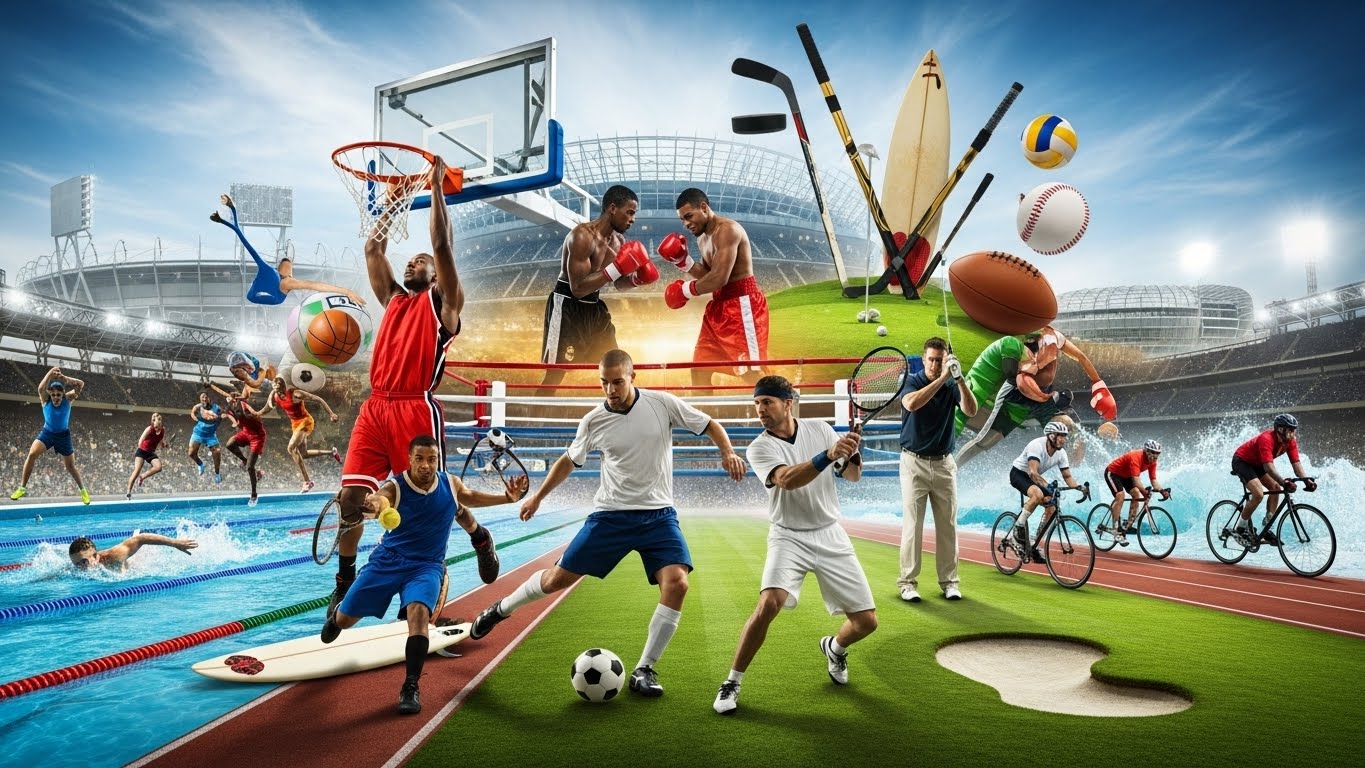
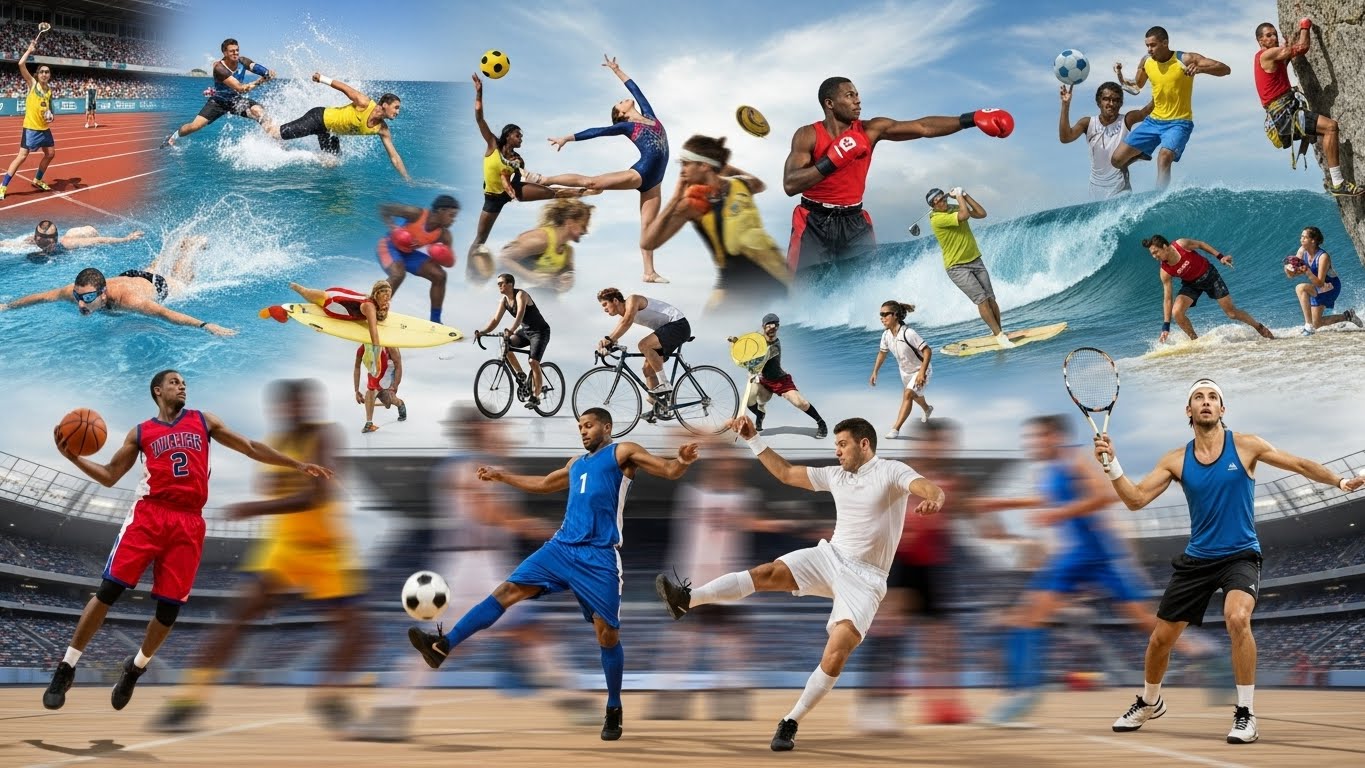
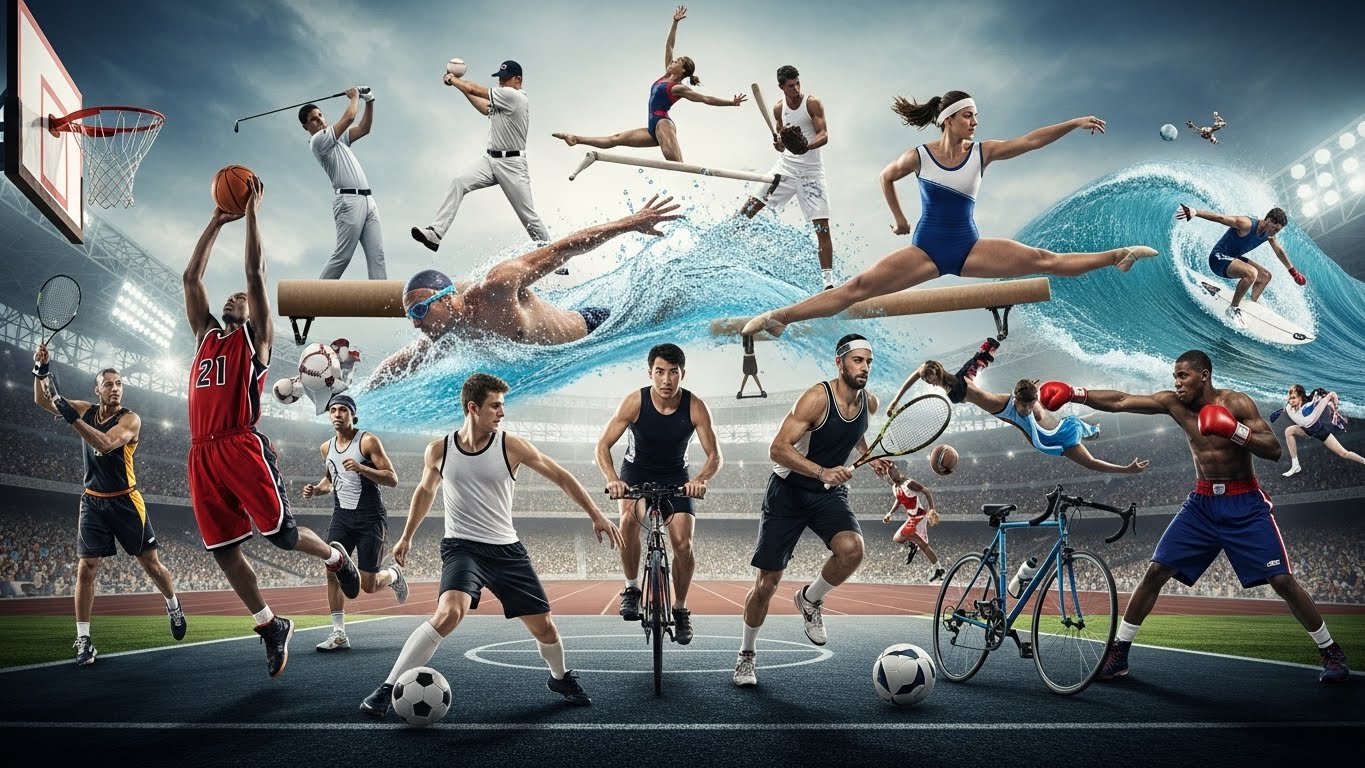
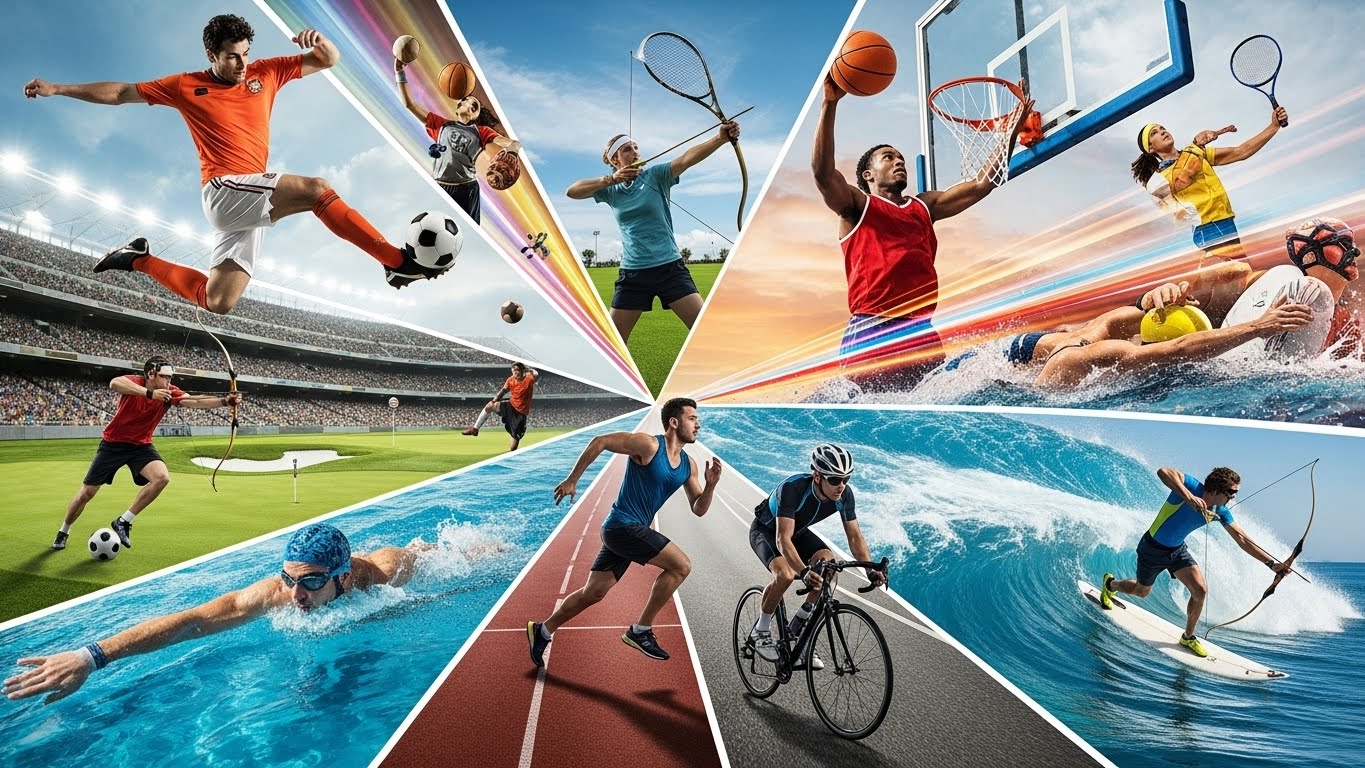
Sports have been a part of human civilization for millennia, evolving from simple games and rituals to the highly organized and competitive events we see today. From the ancient Olympic Games to the rise of professional leagues, the role of sports in society has never been more significant. In this blog post, we will explore the fascinating history of sports, the cultural and societal impact they have, and how they continue to shape our world today.
The Origins of Sports
Sports, in their most basic form, have existed as long as humans have. Early civilizations used physical competition as a way to demonstrate strength, skill, and endurance. Evidence of early sports can be found in various cultures, with activities ranging from running and wrestling to chariot racing and ball games. In ancient Egypt, sports such as archery, wrestling, and swimming were common, while the Greeks took physical fitness and athletic competition to new heights.
The first recorded instance of sports as a competitive event dates back to ancient Greece, where the Olympic Games were born in 776 BCE. These games were held every four years in Olympia and included events like foot races, wrestling, and the pankration (a brutal mix of boxing and wrestling). The Olympics not only honored athletic achievement but also celebrated the ideals of strength, perseverance, and honor. These games marked the beginning of what would become a global tradition of competitive sports.
The Rise of Organized Sports
As societies evolved, so did the nature of sports. In the Middle Ages, various regions of Europe had their own forms of physical games, many of which were rough and lacked formal rules. During this time, sports were often tied to military training or were part of festivals and local celebrations.
However, with the rise of modern civilization, sports began to take on a more organized structure. The 19th century saw the emergence of modern sports as we know them today. The Industrial Revolution played a crucial role in this development. With the rise of urbanization, industrialization, and the spread of railroads, people had more leisure time and the ability to travel for sporting events. This led to the formation of clubs, teams, and competitive leagues, particularly in Europe and North America.
The creation of the Football Association (FA) in 1863 in England marked a significant milestone in the formalization of sport. The FA standardized the rules of soccer (or football, as it is known outside the United States) and helped to spread the sport to other countries. Similarly, the rise of baseball in America and rugby in the United Kingdom showcased the growing popularity and organizational structure of modern sports.
The Commercialization of Sports
By the early 20th century, sports had transitioned from community-based activities to professional enterprises. As television and radio broadcasting became more widespread, sports began to attract a global audience. The commercialization of sports was driven by the growing demand for entertainment, sponsorships, and broadcasting rights.
The advent of professional leagues and the expansion of media coverage meant that athletes could now earn significant salaries and achieve international fame. Iconic figures such as Babe Ruth, Muhammad Ali, and Pelé became household names, transcending their respective sports and becoming global icons.
The financial aspect of sports grew even more prominent in the late 20th century, with major events like the FIFA World Cup, the Olympic Games, and the Super Bowl attracting millions of viewers worldwide. Sponsorship deals and television contracts brought in billions of dollars, turning athletes into lucrative brand ambassadors. Major sports franchises became multi-billion-dollar businesses, and the commercialization of sports reached new heights.
Sports and Society: A Cultural Phenomenon
Beyond the financial success and the entertainment value, sports have a profound impact on society. They serve as a reflection of cultural values and can foster a sense of community and identity. Sports bring people together, whether it’s a local soccer game in a small town or a national event like the World Cup.
One of the most powerful ways sports impact society is through national pride. Major international competitions like the Olympics or the FIFA World Cup often ignite patriotism, as nations cheer for their athletes to represent their country on the world stage. The performances of athletes can unite people across ethnic, religious, and social boundaries, creating a shared sense of pride and joy.
Sports also have the power to bring attention to important social issues. Throughout history, athletes have used their platform to protest injustice and promote social change. The 1968 Olympics saw two American sprinters, Tommie Smith and John Carlos, raise their fists in a Black Power salute on the podium to protest racial inequality. Similarly, athletes like Muhammad Ali, Jackie Robinson, and Colin Kaepernick have used their status to challenge the status quo and advocate for civil rights and social justice.
In addition to their social impact, sports also contribute significantly to mental and physical well-being. Physical activity is a vital part of maintaining a healthy lifestyle, and sports offer a fun and competitive way to engage in exercise. For young people, participating in sports can build character, teamwork, and leadership skills, while for adults, sports offer an opportunity to stay fit, relieve stress, and enjoy social interaction.
The Modern Landscape of Sports
Today, the sports world is a vast, complex ecosystem that includes everything from amateur leagues to high-profile professional competitions. The global nature of sports has expanded dramatically, with athletes from all over the world competing in a wide variety of events. The rise of social media and digital platforms has further enhanced the accessibility and reach of sports, allowing fans to follow their favorite teams and athletes anywhere in the world.
Football (soccer) continues to be the most popular sport globally, with billions of fans and players across continents. The National Basketball Association (NBA) and Major League Baseball (MLB) dominate in North America, while cricket, rugby, and tennis also have dedicated fanbases in various regions.
Newer sports have also gained popularity in recent years. Esports, or competitive video gaming, has exploded in popularity, attracting millions of viewers and offering lucrative sponsorships. Extreme sports, such as skateboarding, snowboarding, and surfing, have also grown in prominence, particularly among younger generations.
At the same time, traditional sports continue to evolve. Rules change, technology enhances performance, and new forms of entertainment, like virtual reality and augmented reality, are being integrated into the sports experience. Athletes are pushing the boundaries of human performance, breaking records and achieving feats once thought impossible.
The Future of Sports
Looking ahead, the future of sports is both exciting and uncertain. Advances in technology, particularly in the realm of virtual and augmented reality, are likely to transform the way fans experience sports. Virtual stadiums, for example, could allow fans to attend games from the comfort of their homes while feeling as though they are right there in the arena. Similarly, wearable tech is helping athletes enhance their performance and recover more effectively, potentially leading to longer careers and more consistent results.
Esports is expected to continue growing, with the potential for even greater integration with traditional sports. As video games become more immersive and competitive gaming continues to attract younger audiences, esports could eventually rival or even surpass traditional sports in terms of popularity and revenue.
The increasing focus on player health and well-being is another key trend shaping the future of sports. With more attention being paid to issues like concussions, mental health, and long-term physical damage, sports organizations are taking steps to ensure that athletes are properly supported throughout their careers.
Finally, the continued push for diversity, inclusion, and equality within sports is likely to lead to greater representation and opportunities for underrepresented groups. Women’s sports, in particular, have seen tremendous growth in recent years, with increased media coverage, higher salaries, and greater recognition for female athletes.
Conclusion
Sports are more than just games; they are a reflection of human achievement, culture, and the drive for excellence. From their humble origins to their current status as global phenomena, sports have played a crucial role in shaping societies, bringing people together, and pushing the boundaries of human potential. As technology continues to advance and new forms of competition emerge, the world of sports will undoubtedly continue to evolve, inspiring generations of athletes and fans alike.