Introduction: More Than Just a Game
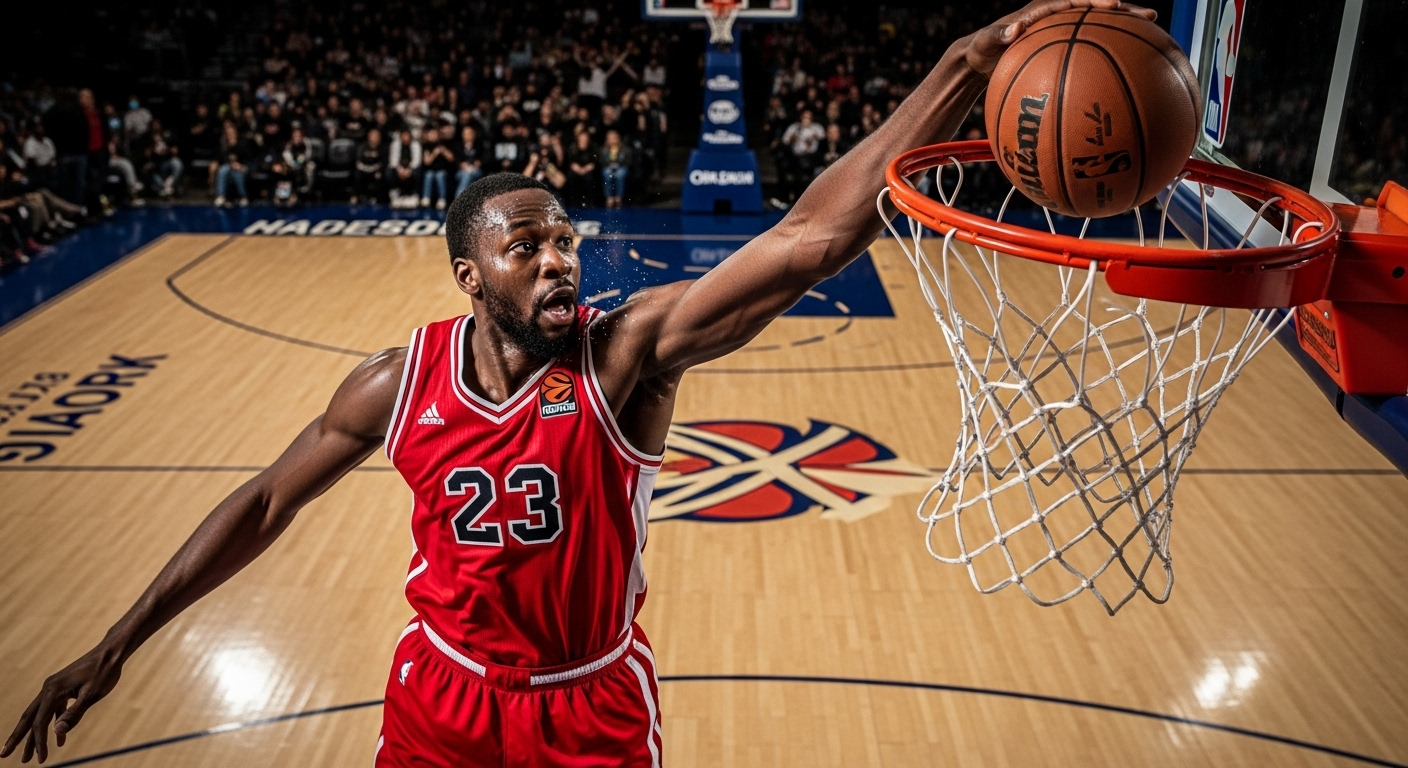
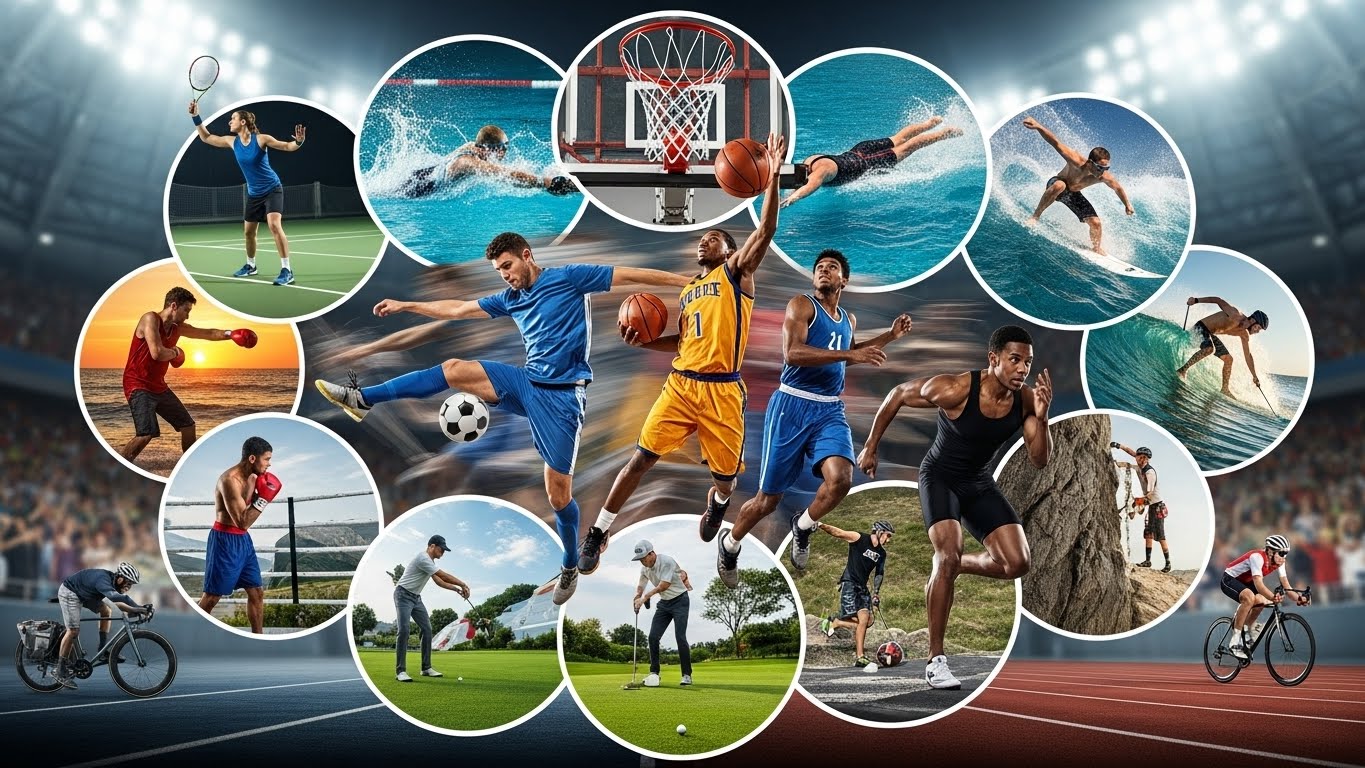
Sports have been woven into the fabric of human society for centuries. From ancient competitions like the Olympic Games to modern-day global tournaments, sports continue to inspire, unite, and challenge us. They are more than physical contests; they represent stories of resilience, teamwork, dedication, and emotion. Whether we watch from the sidelines or participate on the field, sports influence our lives in countless ways. This blog explores the profound impact of sports on individuals and communities, the evolution of athletic culture, and why sports remain one of the most powerful human experiences.
The Evolution of Sports in Modern Society
Sports have undergone a remarkable transformation. What began as simple recreational activities has grown into a sophisticated global industry. Today, sports involve advanced training methods, scientific research, international organizations, and large audiences. With huge stadiums, televised broadcasts, and professional leagues, sports have become a significant part of modern culture.
The rise of technology has also shaped sports. Athletes use wearable devices to track performance, coaches rely on video analytics for strategy, and fans follow their favorite teams through digital platforms. This evolution has elevated sports from traditional pastimes to high-tech, high-stakes competitions. Despite these advancements, the essence of sports remains the same: the pursuit of excellence and the joy of playing.
Sports as a Teacher of Life Lessons
One of the greatest gifts sports offer is the ability to teach essential life lessons. Children and adults alike learn more than physical skills when they engage in sports. They learn discipline, patience, and commitment. Training requires consistent effort, and competitions demand focus and resilience. Through victories and defeats, athletes understand the importance of humility and perseverance.
Team sports, in particular, nurture communication and cooperation. Players must trust one another, share responsibilities, and work toward a common goal. These skills extend beyond the field and shape character in everyday life. Even individual sports teach self-reliance and mental strength. Sports help build confidence by challenging athletes to push beyond their limits and discover what they’re truly capable of achieving.
The Physical and Mental Benefits of Sports Participation
Sports are one of the most effective ways to maintain physical health. Regular participation improves cardiovascular fitness, strengthens muscles, enhances flexibility, and boosts overall endurance. Whether it is running, swimming, football, or badminton, sports encourage movement and discourage sedentary lifestyles.
Beyond physical health, sports have immense mental health benefits. Physical activity releases endorphins, often referred to as “feel-good” hormones, which reduce stress and anxiety. Sports also provide an emotional outlet, helping individuals cope with life’s challenges. Athletes develop mental sharpness, improved concentration, and better problem-solving skills. The sense of accomplishment after training or competing boosts self-esteem and fosters emotional balance.
Sports as a Bridge Between Cultures
One of the most beautiful aspects of sports is their ability to transcend cultural, linguistic, and social barriers. When a major event takes place, people from different countries come together in celebration. Fans cheer for the same team, athletes respect each other’s skills, and nations find unity through shared enthusiasm.
Sports diplomacy plays an important role in international relations as well. Friendly matches and joint training sessions often build goodwill between nations. Sporting events promote respect, tolerance, and mutual understanding. Even at the local level, sports bring diverse communities together, helping people connect through a common interest.
The Role of Sports in Community Development
Sports have a powerful influence on community building. Local tournaments, school teams, and neighborhood clubs create opportunities for social interaction and collective identity. Communities with active sports programs tend to have stronger social bonds and healthier lifestyles.
Youth sports programs, in particular, are transformative. They keep young people engaged, teach responsibility, and reduce the likelihood of engaging in harmful behaviors. Coaches become mentors, teammates become friends, and sporting facilities become safe spaces for personal growth. Communities that invest in sports facilities and programs witness improved well-being and a stronger sense of unity among residents.
The Rise of Women in Sports
The growing participation and recognition of women in sports is one of the most inspiring developments in modern athletics. For generations, women faced significant barriers in accessing sports, but today, more girls and women are competing at the highest levels. Their achievements continue to break stereotypes and encourage future generations to pursue their dreams fearlessly.
Women athletes serve as role models, proving that determination and skill have no gender. Their influence extends beyond the field, inspiring positive change in society. As platforms for equality expand, women’s participation in sports continues to grow, reshaping the athletic landscape and contributing to broader social progress.
The Emotional Connection Between Fans and Teams
Sports fandom is a unique emotional experience. Fans invest their emotions, time, and energy into supporting their favorite teams. The excitement of a close game, the tension of a last-minute goal, and the joy of victory create unforgettable memories. Sports fans form communities that share loyalty and passion, fostering friendships and traditions.
This emotional connection often becomes a lifelong bond. Families pass down team loyalty through generations, creating a sense of identity and belonging. Even when teams face defeat, the devotion of fans remains strong. The highs and lows of supporting a team mirror the ups and downs of life, making sports such a relatable experience.
The Economic Influence of Sports
The sports industry contributes significantly to the global economy. From stadium construction to merchandise sales, sports generate employment and business opportunities. Major events attract tourism, benefiting hotels, restaurants, and transportation services.
Professional athletes become brand ambassadors, and sports apparel companies flourish through endorsements. Local economies also gain from community events, youth leagues, and fitness centers. Sports have become an economic powerhouse, stimulating growth at every level of society.
Challenges Facing the World of Sports Today
Despite its many benefits, the sports world also faces challenges. Issues such as doping, corruption, and unequal access hinder the true spirit of fair play. Athletes endure immense pressure, which sometimes leads to mental health struggles. Additionally, the commercialization of sports risks overshadowing the essence of pure competition.
However, awareness and education continue to improve these conditions. Many organizations promote ethical conduct, athlete welfare, and transparency. As society becomes more conscious of these challenges, the sports community works toward solutions that preserve integrity and fairness.
The Future of Sports: Innovation and Inclusion
The future of sports is filled with exciting possibilities. Advances in technology, such as virtual reality training and smart equipment, are transforming athletic performance. Global interest in emerging sports like esports reflects the evolving definition of competition.
Inclusion is also becoming a central focus. Adaptive sports for individuals with disabilities are gaining recognition, and initiatives promote equal opportunities for athletes of all backgrounds. The future promises a world where sports are accessible, innovative, and inspiring for everyone.
Conclusion: The Everlasting Spirit of Sports
Sports remain one of the most powerful forces in human life. They challenge our minds, strengthen our bodies, and connect our communities. Whether we play or watch, sports remind us of the values that define the human spirit: determination, unity, respect, and passion. As the world continues to evolve, sports will always have the unique ability to bring people together and inspire greatness.
The pulse of sports is the pulse of humanity. It beats through every match won, every challenge faced, and every dream realized. Ultimately, sports teach us not just how to play, but how to live.