
Introduction
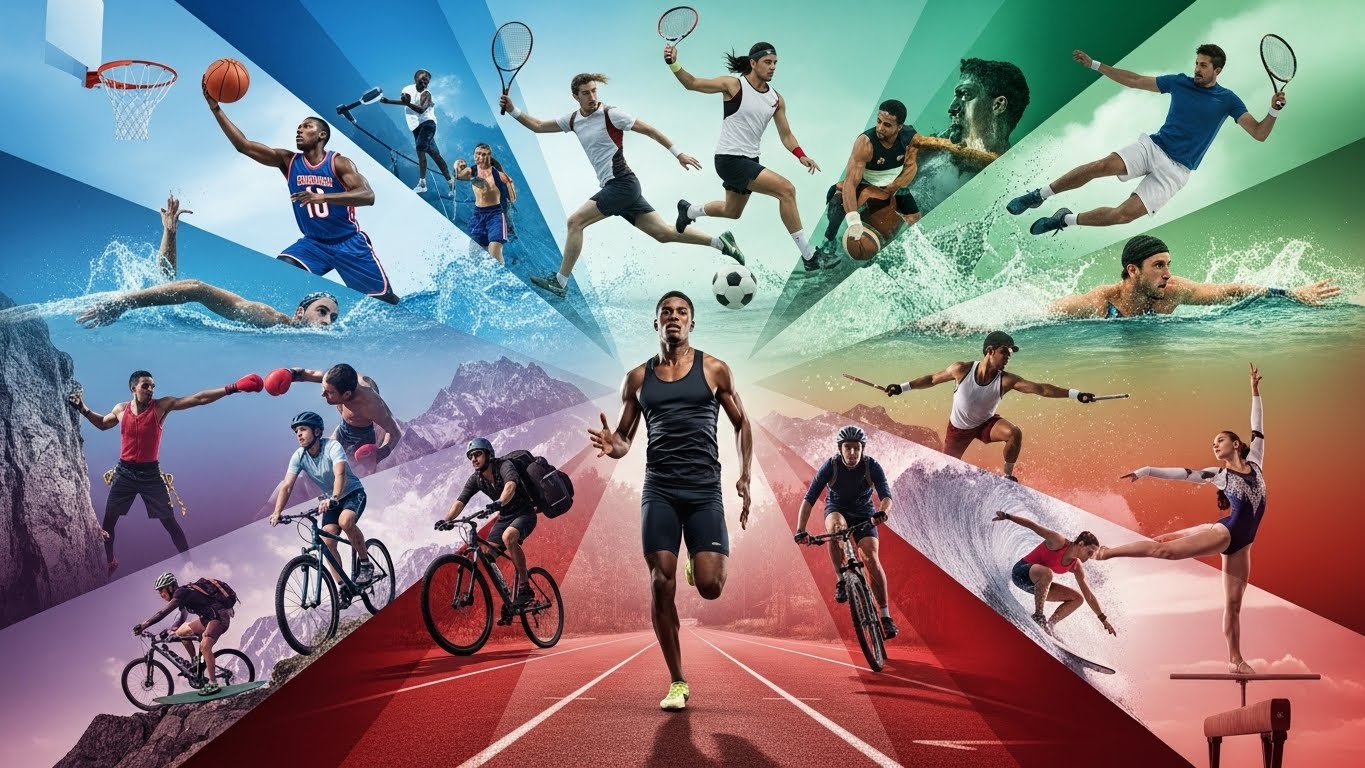
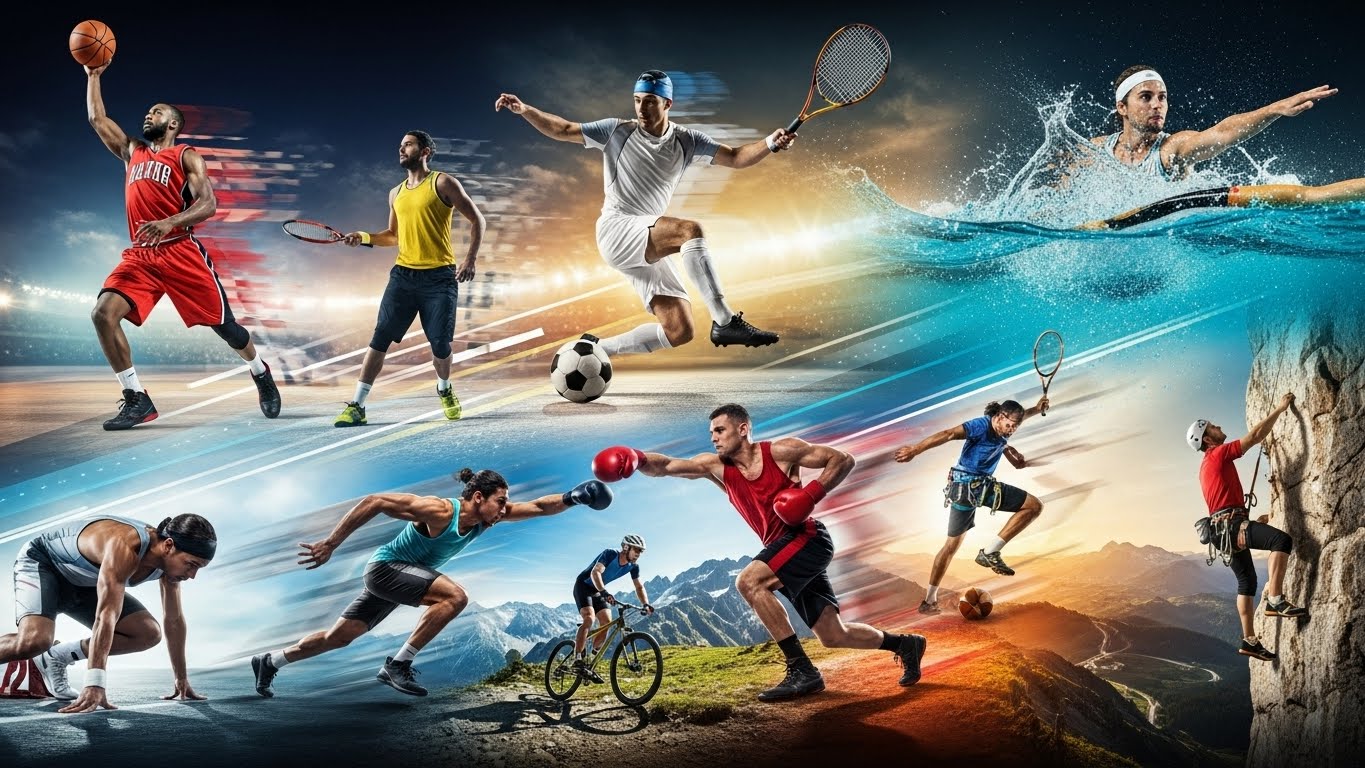
Sports have been an integral part of human civilization for thousands of years. From ancient gladiatorial battles to the modern-day Olympics, sports have provided not only entertainment but also opportunities for social interaction, personal growth, and national pride. In this blog, we explore the role of sports in shaping societies, the evolution of athletic competition, the impact on physical and mental health, and the transformative power of sports in today’s world.
The Origins and Evolution of Sports
The history of sports dates back to the early civilizations. In ancient Egypt, Greece, and Rome, various forms of physical contests were organized to honor gods or demonstrate strength and skill. The ancient Olympic Games, which began in Greece around 776 BCE, are often considered the birthplace of organized sports. These early games featured events such as running, wrestling, and chariot racing, which set the stage for the competitive sporting traditions we recognize today.
As time progressed, sports became more structured and began to evolve in different parts of the world. In medieval Europe, hunting, jousting, and archery were popular among the elite. In the 19th century, the Industrial Revolution brought significant changes to the way people lived and worked, providing more leisure time for the masses. This led to the formalization of many of the sports we know today, including soccer, basketball, and tennis. Over time, these sports spread across borders, and global competitions like the FIFA World Cup, the Olympics, and the Super Bowl became iconic events watched by millions of people worldwide.
The Role of Sports in Society
Sports have always held a unique place in society. Whether it’s a community soccer game or the world’s most-watched event like the Super Bowl, sports bring people together. They create a sense of community, encourage teamwork, and provide a platform for shared experiences. The significance of sports in society can be broken down into several important aspects.
First, sports promote national pride and unity. When countries compete in international competitions like the Olympics or the World Cup, the entire nation comes together to support their athletes. National teams become symbols of a country’s strength, resilience, and determination, and the success of athletes on the world stage can boost a nation’s sense of identity and pride.
Second, sports provide a platform for socialization. Whether it’s kids playing soccer in a park or adults cheering for their favorite teams, sports create social spaces where people from different walks of life can come together and build relationships. For children, playing sports helps to teach the values of teamwork, discipline, and respect for others, while for adults, sports can provide a shared activity that strengthens bonds with family and friends.
The Physical and Mental Health Benefits of Sports
One of the most significant benefits of engaging in sports is the positive impact on physical and mental health. Regular physical activity, including sports, is essential for maintaining a healthy body. It helps to improve cardiovascular health, increase muscle strength, and promote flexibility and endurance. Sports also contribute to weight management and play a critical role in preventing chronic diseases such as diabetes, obesity, and hypertension.
In addition to the physical benefits, sports have a profound impact on mental health. Exercise has been proven to release endorphins, the body’s natural mood enhancers, which can reduce stress, anxiety, and depression. Playing sports also fosters a sense of achievement and self-worth, especially when athletes reach their personal goals or excel in their performance. The competitive nature of sports encourages individuals to push themselves beyond their limits, building resilience and perseverance.
Furthermore, sports offer a natural outlet for dealing with emotions. Whether it’s channeling frustration into a fast break during a basketball game or celebrating a victory after scoring a goal, sports provide a healthy way to express and manage emotions. This can help to improve emotional intelligence, allowing individuals to better understand and regulate their feelings.
Sports as a Career: The Rise of Professional Athletics
As sports became more organized and commercialized, the rise of professional athletics emerged. In the early 20th century, athletes began to receive compensation for their talent, turning their passion for sports into lucrative careers. This shift marked the beginning of the sports industry as we know it today.
Major sports leagues such as the National Football League (NFL), National Basketball Association (NBA), Major League Baseball (MLB), and the English Premier League (EPL) became the pillars of professional sports in their respective countries. Athletes began to earn multi-million-dollar contracts, sponsorship deals, and endorsement deals, making professional sports a viable career choice for the talented few who could make it to the top.
The professionalization of sports has had a transformative effect on the global economy. Sports media rights, ticket sales, merchandise, and sponsorships contribute billions of dollars annually to economies around the world. Major sports events, such as the Super Bowl, the FIFA World Cup, and the Olympics, generate massive revenue, while also driving tourism and creating job opportunities in related industries.
The Global Influence of Sports
The influence of sports extends far beyond the playing field. From a global perspective, sports serve as a powerful tool for diplomacy and social change. International sporting events like the Olympic Games and the World Cup transcend national borders, uniting people from different cultures and backgrounds in a celebration of athletic achievement.
Sports have also been a catalyst for social change. Athletes, especially those in the public eye, have used their platforms to speak out on social issues, challenge discrimination, and inspire movements for equality. One of the most famous examples of this is the activism of African American athletes in the 1960s, including the Black Power salute by Tommie Smith and John Carlos at the 1968 Mexico City Olympics, which brought attention to racial inequality in the United States.
More recently, athletes like Colin Kaepernick have used their status to bring awareness to issues such as police brutality and racial injustice. Sports organizations, too, have become more active in promoting diversity, equity, and inclusion both within the ranks of athletes and in their global fanbases.
Sports and Technology: The New Era of Innovation
In recent years, technology has played an increasingly important role in the world of sports. From performance analysis to fan engagement, innovations in technology are transforming the way sports are played, viewed, and consumed.
One of the most noticeable advancements in sports is the integration of data and analytics. Coaches and athletes now have access to a wealth of information that helps them make data-driven decisions. Wearable devices, such as heart rate monitors and GPS trackers, provide real-time performance data, allowing athletes to track their progress and make adjustments to their training. Video analysis software helps coaches review games and assess player performance, identifying strengths and areas for improvement.
Technology has also revolutionized how fans interact with sports. Streaming platforms allow fans to watch live games from anywhere in the world, while social media enables direct interaction with athletes and teams. Virtual reality (VR) and augmented reality (AR) technologies are providing immersive experiences, allowing fans to feel as if they are in the stadium, even when watching from home. These innovations are expanding the way fans experience the world of sports and creating new opportunities for engagement.
The Future of Sports: Inclusivity and Global Growth
Looking to the future, sports will continue to evolve in response to changes in society, technology, and culture. One of the most exciting developments is the increasing focus on inclusivity in sports. Traditionally, many sports have been male-dominated, but women’s sports are rapidly growing in visibility, popularity, and investment. The rise of the Women’s National Basketball Association (WNBA), women’s soccer leagues, and female athletes in the Olympic Games has brought attention to the need for equal opportunities and recognition.
Additionally, sports are becoming more inclusive for people with disabilities. The Paralympic Games have gained widespread recognition, and adaptive sports programs for individuals with physical and mental disabilities are becoming more prevalent. Technology is also helping to level the playing field, with innovations in prosthetics and assistive devices allowing athletes with disabilities to compete at the highest levels.
Conclusion
Sports have a remarkable ability to shape societies, influence cultures, and inspire individuals to achieve greatness. Whether it’s for personal development, social connection, or national pride, sports play a central role in our lives. From the ancient Olympics to the professional leagues of today, the evolution of sports has been marked by growth, competition, and innovation. As technology continues to advance and the world becomes increasingly interconnected, the future of sports looks bright—full of new opportunities for inclusivity, global reach, and personal achievement. Through sports, we can celebrate not just athletic excellence but also the values of teamwork, perseverance, and unity that transcend borders and bring us together as one global community.