The Power of Sports: How Athletic Pursuits Shape Minds, Bodies, and Society
Introduction
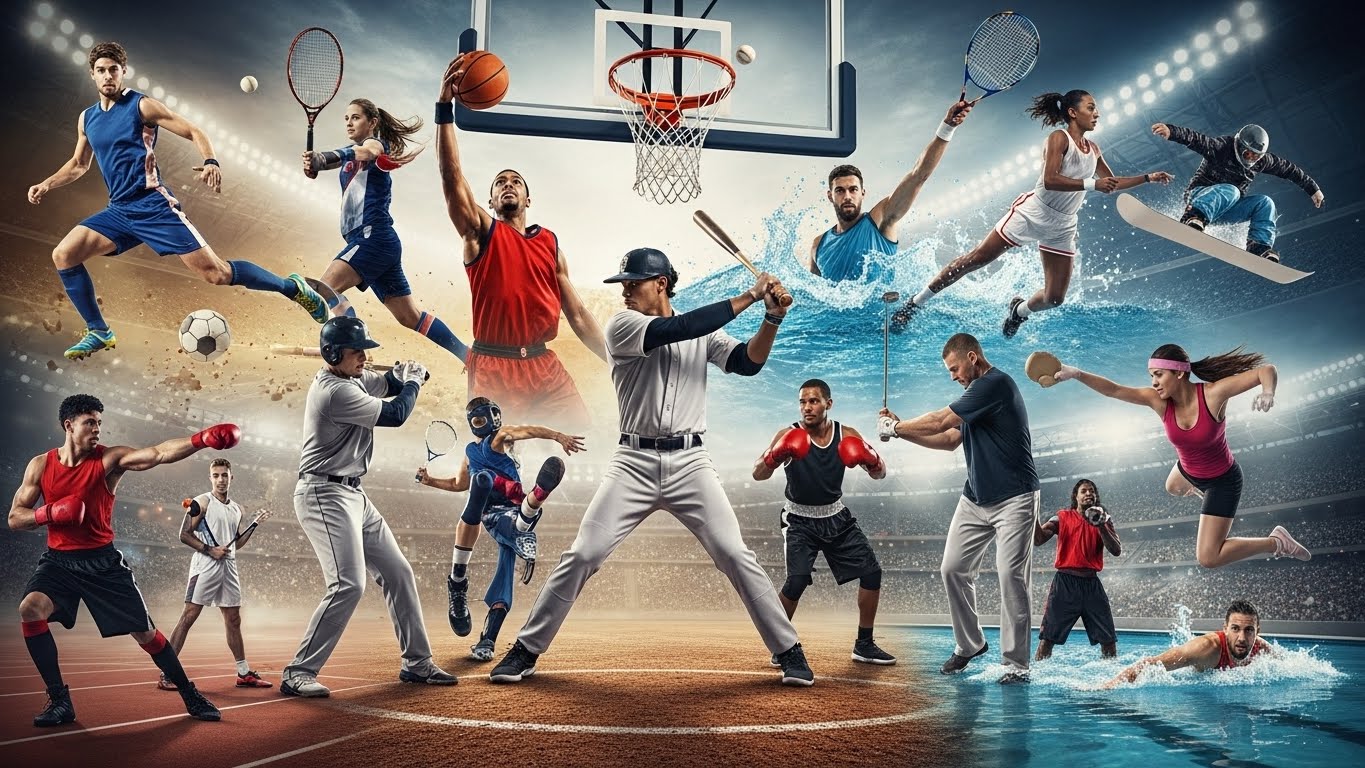
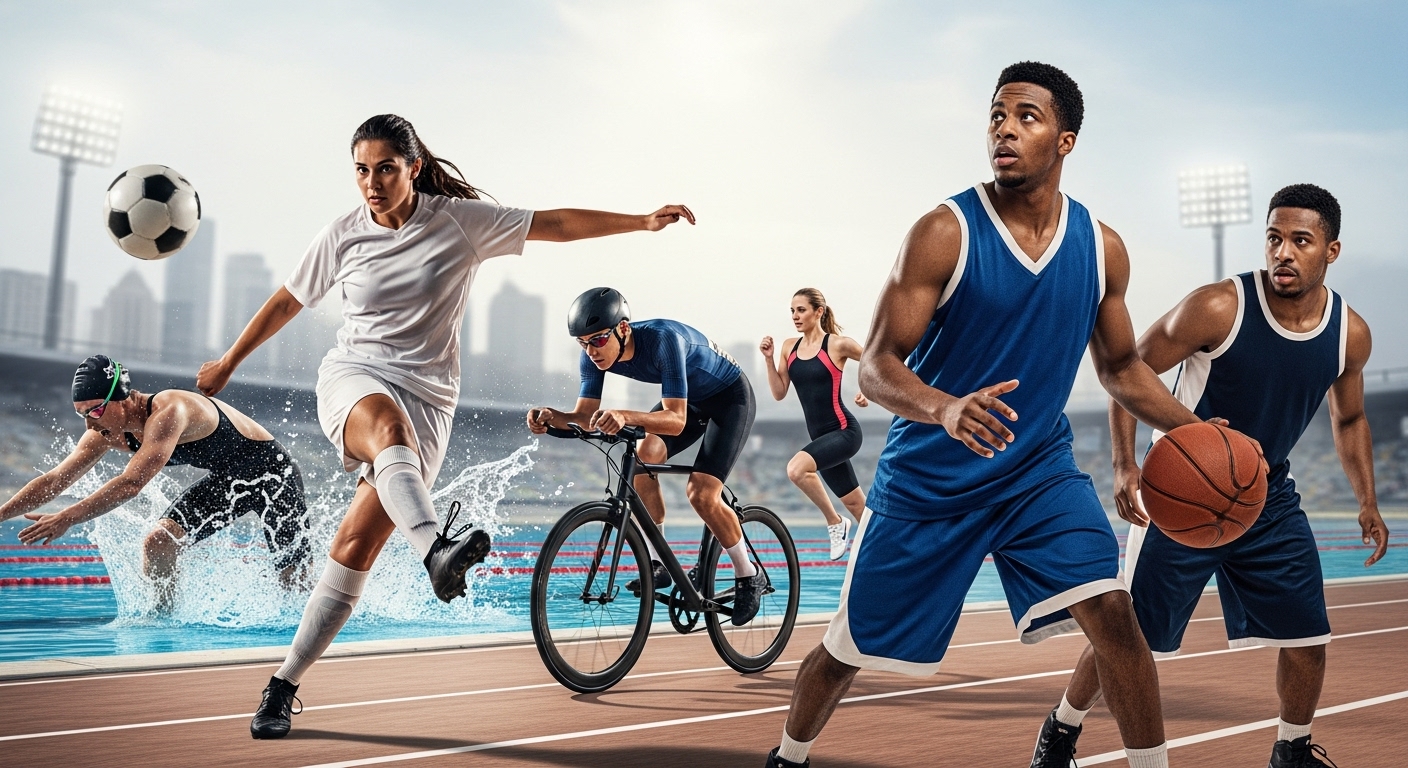
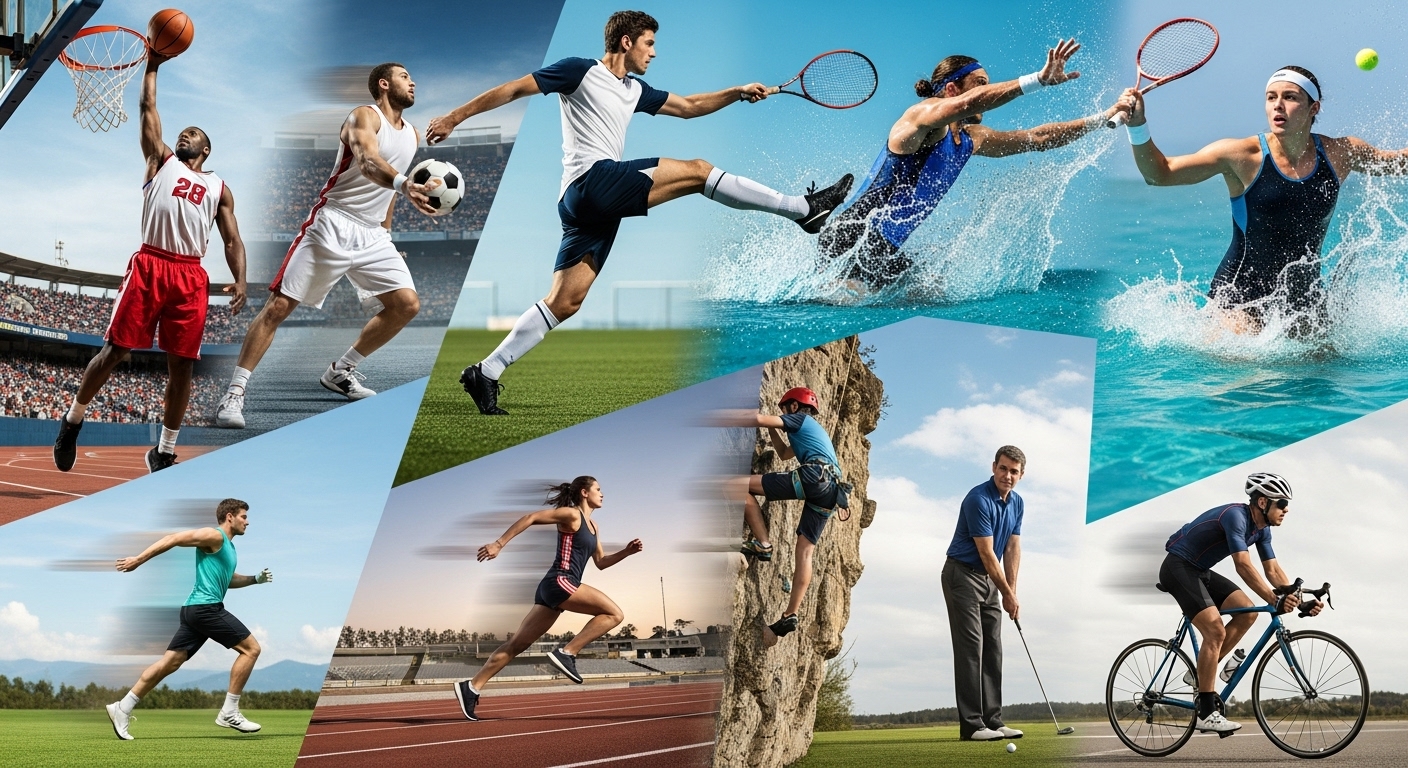
Sports have been an integral part of human civilization for centuries, transcending boundaries of culture, geography, and language. From ancient Olympic games to modern professional leagues, sports have entertained, inspired, and united people in ways few other activities can. Beyond competition, sports influence physical health, mental well-being, personal development, and societal cohesion. They serve as a mirror of human resilience, strategy, and cooperation, demonstrating that the pursuit of excellence is universal.
The Historical Significance of Sports
The history of sports dates back thousands of years. Ancient civilizations, including the Greeks, Egyptians, and Romans, organized athletic competitions to honor deities, demonstrate physical prowess, and celebrate cultural achievements. The Olympic Games of Ancient Greece were not merely contests of speed or strength; they symbolized unity, honor, and the pursuit of human potential.
Throughout history, sports have evolved alongside societies. In medieval Europe, tournaments and jousts tested skill and bravery. Traditional games across Asia, Africa, and the Americas reflected cultural values, social hierarchy, and communal bonding. These historical roots show that sports are far more than entertainment—they are a reflection of human society and an enduring part of cultural identity.
The Physical Benefits of Sports
Engaging in sports promotes overall physical health. Regular participation improves cardiovascular fitness, strengthens muscles and bones, enhances flexibility, and boosts endurance. Sports also support weight management and metabolic health, reducing the risk of chronic conditions such as heart disease, diabetes, and obesity.
Beyond general fitness, sports develop specific physical skills. Coordination, balance, agility, and reaction time are honed through regular practice. Athletes learn to optimize their movements, respond to dynamic situations, and push their bodies to peak performance. The physical benefits of sports extend well beyond the field, fostering a lifestyle of health and activity that can last a lifetime.
The Mental and Emotional Impact of Sports
Sports are not only physical—they are profoundly mental. Participation improves cognitive function, including focus, memory, and decision-making. Athletes must process complex information quickly, anticipate opponents’ actions, and adapt strategies in real time. These skills translate into everyday life, enhancing problem-solving and critical thinking abilities.
Emotionally, sports offer stress relief, boost self-esteem, and cultivate resilience. Overcoming challenges, coping with failure, and celebrating success teach valuable life lessons. Team sports, in particular, foster a sense of belonging, shared responsibility, and mutual support. Mental and emotional growth through sports is as important as physical development, shaping well-rounded individuals.
The Role of Sports in Personal Development
Sports contribute significantly to personal growth. Discipline, time management, perseverance, and goal-setting are fundamental to success in any athletic pursuit. Athletes learn to handle setbacks, stay committed to improvement, and maintain focus under pressure. These qualities extend beyond sports, equipping individuals for professional and personal challenges.
Leadership and teamwork are also cultivated through sports. Players learn to communicate effectively, motivate teammates, and make strategic decisions collectively. Sports become a training ground for essential life skills, shaping individuals who are confident, adaptable, and capable of working within a team.
The Social Impact of Sports
Sports have a unique ability to bring people together. Whether played on a local field or watched in a stadium, sports foster community engagement and shared experiences. Fans develop loyalty, pride, and identity through teams, creating bonds across generations and cultures.
Sports also serve as a platform for social change. Athletes have historically used their visibility to advocate for equality, justice, and human rights. Major events provide opportunities to promote inclusion, diversity, and positive societal values. From grassroots leagues to global tournaments, sports unite communities while promoting cultural exchange and social cohesion.
Professional Sports and Economic Influence
Professional sports are a multi-billion-dollar industry with far-reaching economic impact. Leagues, teams, and events generate revenue through ticket sales, broadcasting rights, sponsorships, and merchandise. Cities hosting major competitions experience boosts in tourism, infrastructure development, and local business activity.
Athletes themselves become influential figures, inspiring fans and shaping consumer behavior. The commercialization of sports has created diverse career paths beyond athletes, including coaching, management, marketing, media, and sports science. Professional sports demonstrate the intersection of passion, skill, and economic opportunity, influencing societies on multiple levels.
The Role of Sports in Education
Sports play a vital role in educational systems worldwide. Schools and universities use athletic programs to develop students’ physical, mental, and social capabilities. Participation teaches teamwork, discipline, leadership, and time management, complementing academic learning.
Scholarships and programs incentivize excellence, providing access to higher education for talented athletes. Sports also foster school spirit and community involvement, creating a sense of identity and pride. Educational sports programs emphasize that development is holistic, combining mind, body, and character.
Women in Sports: Breaking Barriers
The participation of women in sports has grown significantly, challenging historical gender norms and inspiring social change. Female athletes have demonstrated skill, resilience, and leadership on par with their male counterparts, gaining recognition in global competitions and professional leagues.
Women in sports promote equality, encourage participation across demographics, and serve as role models for future generations. Organizations and events dedicated to women’s athletics continue to grow, highlighting the importance of inclusion, representation, and opportunity in the sporting world.
The Global Culture of Sports
Sports are a universal language that transcends national and cultural boundaries. Events like the Olympic Games, FIFA World Cup, and international cricket tournaments bring nations together, fostering camaraderie, rivalry, and shared excitement. Fans from diverse backgrounds celebrate achievements, creating a global culture rooted in passion and respect for athletic excellence.
Sports also influence popular culture, from fashion and music to media and technology. The narratives of triumph, struggle, and perseverance in sports resonate deeply, inspiring stories, films, and campaigns that extend the impact of athletics beyond the playing field.
Technological Advancements and Sports
Technology has transformed how sports are played, viewed, and analyzed. Wearable devices, performance tracking, and video analysis enhance athlete training and recovery. Broadcasting innovations provide immersive experiences for fans through high-definition streaming, instant replays, and virtual reality simulations.
Data analytics and artificial intelligence are increasingly used to develop strategies, scout talent, and predict outcomes. Technology bridges the gap between athletes, coaches, and audiences, elevating the quality, engagement, and accessibility of sports worldwide.
Sports and Health Initiatives
Sports are instrumental in promoting public health. Governments, communities, and organizations use sports programs to encourage physical activity, reduce sedentary lifestyles, and prevent lifestyle-related diseases. Initiatives that incorporate sports into public health campaigns have proven effective in fostering healthier populations and improving overall well-being.
Community sports programs also emphasize inclusivity, targeting youth, seniors, and marginalized groups. By encouraging participation at all levels, sports contribute to healthier, more active, and socially connected communities.
The Psychological Thrill of Watching Sports
Spectatorship is a critical aspect of sports culture. Watching competitions generates excitement, emotional investment, and social interaction. Fans experience joy, tension, and catharsis as they follow teams and athletes, forging connections with others who share their passion.
Spectator sports also influence identity and belonging. Supporting a team or country creates shared narratives and collective memories, strengthening social bonds and cultural cohesion. The psychological thrill of sports is as significant as physical participation, highlighting the broad impact of athletics on society.
The Future of Sports
The future of sports is dynamic, inclusive, and innovative. Advances in technology, global connectivity, and social awareness will continue to shape how sports are played, viewed, and organized. Virtual competitions, esports integrations, and hybrid experiences are expanding the definition of athletic engagement.
Sports will continue to promote health, education, social cohesion, and economic growth. Their role in inspiring human potential, fostering community, and celebrating achievement remains as relevant today as it was in ancient times. The evolution of sports ensures they will continue to captivate, challenge, and unite people across generations and cultures.
Conclusion
Sports are more than games—they are a reflection of human ambition, creativity, and resilience. They enhance physical health, develop mental and emotional strength, and cultivate essential life skills such as teamwork, leadership, and perseverance. On a societal level, sports unite communities, foster cultural exchange, and drive economic growth.
From local playgrounds to global arenas, the impact of sports is undeniable. They teach lessons that extend far beyond the playing field, inspiring individuals and communities alike. As the world continues to evolve, sports will remain a universal force, shaping minds, bodies, and society, and reminding humanity of the power of competition, cooperation, and shared passion.