Game On: How Sports Shape Lives, Cultures, and Communities
Introduction
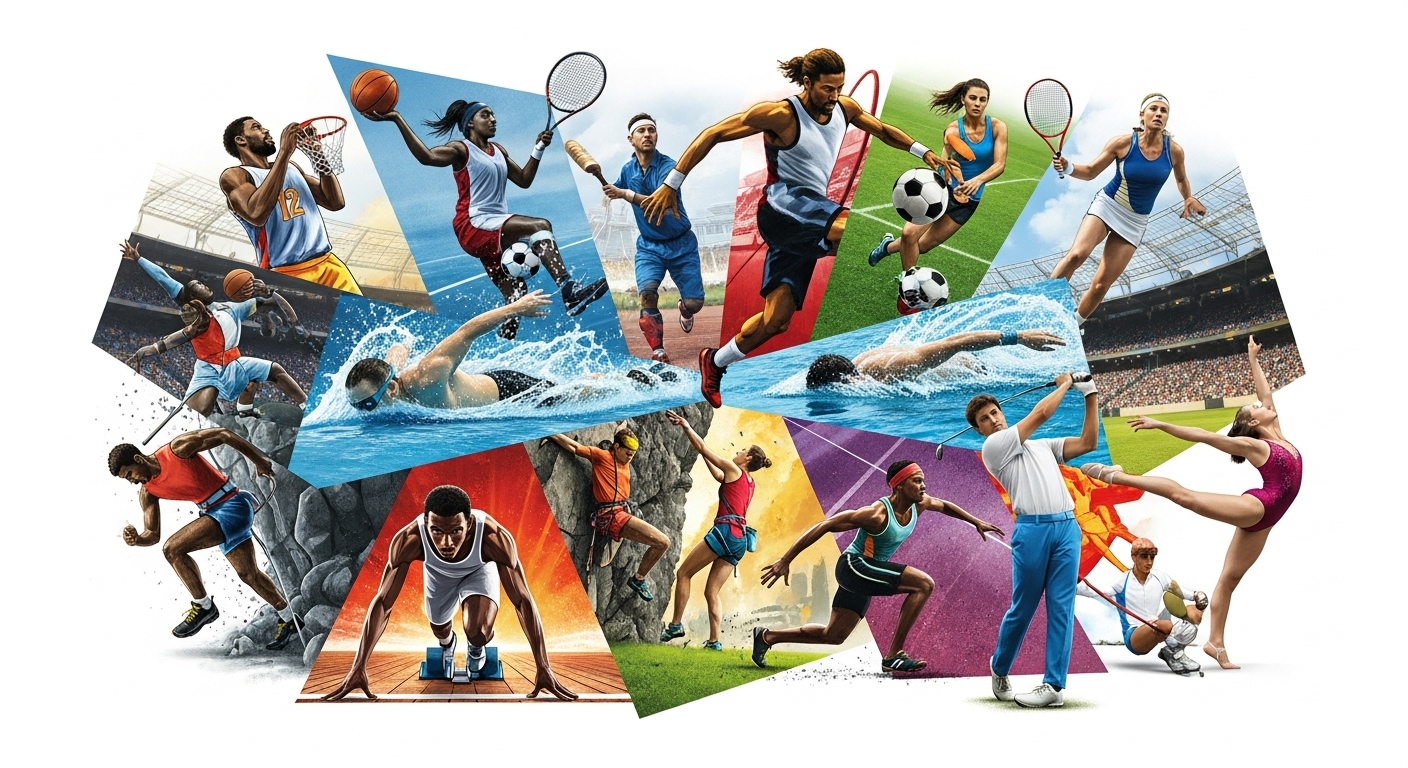
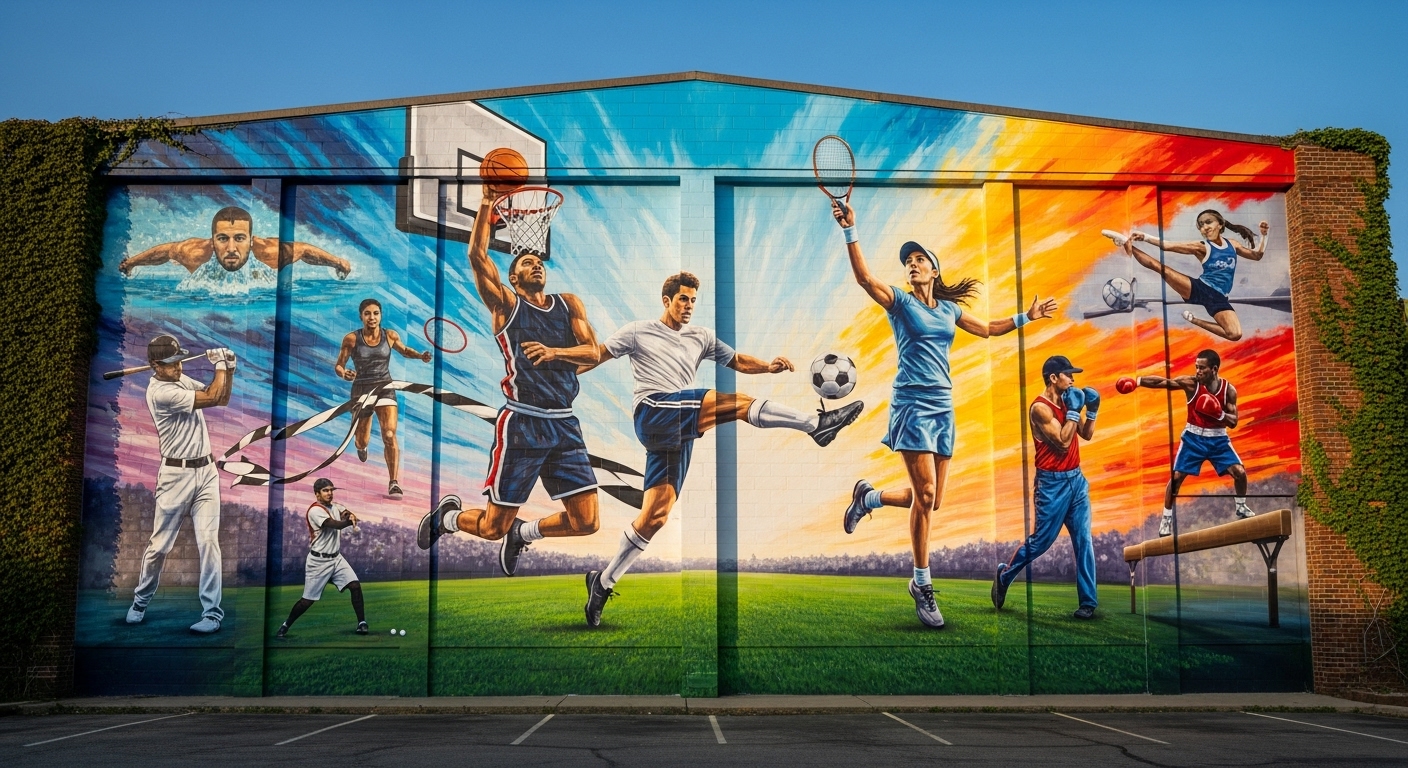
Sports are an essential part of human life, transcending age, culture, and geography. They are more than just games; they are platforms for learning, personal growth, and social connection. From children playing in local fields to professional athletes competing on global stages, sports influence society in profound ways. Beyond physical activity, sports teach values like discipline, teamwork, and perseverance, making them a vital aspect of human development.
This blog explores the multifaceted role of sports in modern society, examining their evolution, physical and mental benefits, cultural significance, economic impact, technological advancements, and the challenges and future trends that define the sporting world today.
The Evolution of Sports
The history of sports dates back thousands of years. Ancient civilizations engaged in games that tested strength, speed, and strategy. The Greeks, for example, established the Olympic Games to celebrate physical prowess and honor their gods. Similarly, ancient Egypt and China had games that emphasized skill, endurance, and cultural values.
Over centuries, informal games evolved into structured competitions with official rules, teams, and leagues. Sports like football, cricket, basketball, and athletics became globally recognized, uniting communities and countries alike. The evolution of sports reflects human ingenuity and the desire for structured play, competition, and communal celebration.
Physical Benefits of Sports
The most apparent benefits of sports are physical. Regular participation improves cardiovascular health, builds muscular strength, enhances flexibility, and boosts endurance. Activities like running, swimming, football, and cycling promote overall fitness and prevent chronic illnesses such as obesity, diabetes, and hypertension.
Children and adolescents benefit significantly from sports, as they aid in growth, coordination, and motor skills development. Adults also experience improved physical well-being, with sports acting as an enjoyable form of exercise. Consistent physical activity through sports strengthens the immune system, enhances metabolism, and promotes longevity.
Mental and Emotional Benefits of Sports
Sports offer significant mental and emotional benefits. Participation fosters resilience, focus, and self-discipline. Athletes learn to cope with pressure, manage stress, and handle both success and failure gracefully. The challenge of competition encourages problem-solving and strategic thinking, which are valuable skills in everyday life.
Team sports, in particular, encourage cooperation, communication, and empathy. Players develop social skills by collaborating toward shared goals, resolving conflicts, and supporting teammates. Individual sports, on the other hand, foster personal accountability, patience, and self-motivation. Engaging in sports regularly can alleviate anxiety and depression, providing a sense of achievement and boosting self-esteem.
Sports and Education
Sports play a vital role in education by teaching life skills that complement academic learning. Discipline, time management, teamwork, and goal-setting are essential qualities nurtured through sports. Students involved in athletic programs often demonstrate higher focus, motivation, and resilience, which contribute to academic success.
Schools and universities recognize the importance of sports, offering programs and scholarships to encourage participation. Beyond physical development, sports help instill values such as leadership, perseverance, and fair play. These lessons extend far beyond the classroom, preparing individuals for challenges in personal and professional life.
Economic Impact of Sports
The economic impact of sports is vast. Professional leagues, international tournaments, and mega-events like the Olympics generate billions through ticket sales, broadcasting rights, sponsorships, and merchandise. Sports-related industries, including sportswear, equipment manufacturing, and tourism, provide employment opportunities and stimulate local and global economies.
Athletes themselves contribute to economic growth through endorsements, brand partnerships, and community initiatives. Investments in stadiums, training facilities, and sports academies not only enhance infrastructure but also promote regional development. Sports, therefore, act as both a source of entertainment and an economic engine.
Global Influence and Cultural Significance
Sports have the unique ability to transcend cultural, social, and political boundaries. International competitions, such as the FIFA World Cup and the Olympics, unite people from diverse backgrounds, fostering global camaraderie. Sports celebrate diversity, encourage cultural exchange, and promote mutual respect among nations.
Iconic athletes become global symbols of excellence and inspiration. Their stories of dedication, discipline, and triumph over adversity resonate with millions, motivating individuals to pursue their own goals. Sports also preserve and showcase cultural traditions, from traditional martial arts to indigenous games, highlighting humanity’s shared values of competition and cooperation.
Technological Advancements in Sports
Technology has revolutionized sports in multiple ways. Wearable devices monitor athletes’ health, performance, and recovery, enabling precise training and injury prevention. Video analysis and data-driven insights help coaches develop strategies and identify areas for improvement.
Broadcasting innovations and digital platforms have expanded the reach of sports, making events accessible to millions worldwide. Virtual reality and augmented reality technologies offer immersive experiences, allowing fans to engage with games like never before. Technological advancements continue to enhance performance, safety, and entertainment value in sports.
Sports and Social Responsibility
Sports provide platforms to address social issues and promote positive change. Athletes and organizations advocate for gender equality, mental health awareness, environmental conservation, and community development. Community-based sports programs offer youth engagement, crime prevention, and social inclusion, demonstrating the broader societal benefits of sports.
Participation in sports fosters values such as fairness, integrity, and respect, shaping responsible citizens. Athletes and teams serve as role models, inspiring communities and encouraging younger generations to pursue excellence and lead active, socially responsible lives.
Challenges in Modern Sports
Despite the benefits, modern sports face challenges. Issues such as doping, corruption, match-fixing, and commercialization threaten the integrity of competitions. Inequities in access to facilities, training, and resources persist, limiting opportunities for disadvantaged groups. Gender disparities remain significant, particularly in pay, recognition, and media coverage.
Additionally, professional athletes face intense physical and mental demands, resulting in injuries, burnout, and stress. Addressing these challenges requires governance, ethical practices, and investment in athlete support systems. Ensuring inclusivity and fairness in sports is essential for maintaining their positive societal impact.
The Future of Sports
The future of sports is dynamic and promising. Innovations in technology, analytics, and training will continue to elevate human performance. Virtual and augmented reality may transform fan engagement, providing interactive and immersive experiences. Esports and digital competitions are expanding the definition of sports, attracting younger audiences and diversifying opportunities.
Sports are becoming more inclusive, with increasing efforts to provide equal opportunities for all genders, abilities, and socio-economic backgrounds. Sustainability initiatives are also shaping the future, ensuring that events and infrastructure minimize environmental impact. Sports will continue to unite communities, inspire individuals, and contribute to health, education, and social cohesion worldwide.
Conclusion
Sports are more than games—they are a powerful force shaping individuals, communities, and cultures. They improve physical and mental health, teach life skills, drive economic growth, and foster global unity. While challenges exist, sports continue to evolve, benefiting society through innovation, inclusivity, and social responsibility.
Every match, race, and competition teaches lessons about perseverance, teamwork, and resilience. Sports celebrate human achievement and inspire individuals to push boundaries, on and off the field. Ultimately, they demonstrate the enduring power of play, competition, and human potential to transform lives and communities.