
Introduction
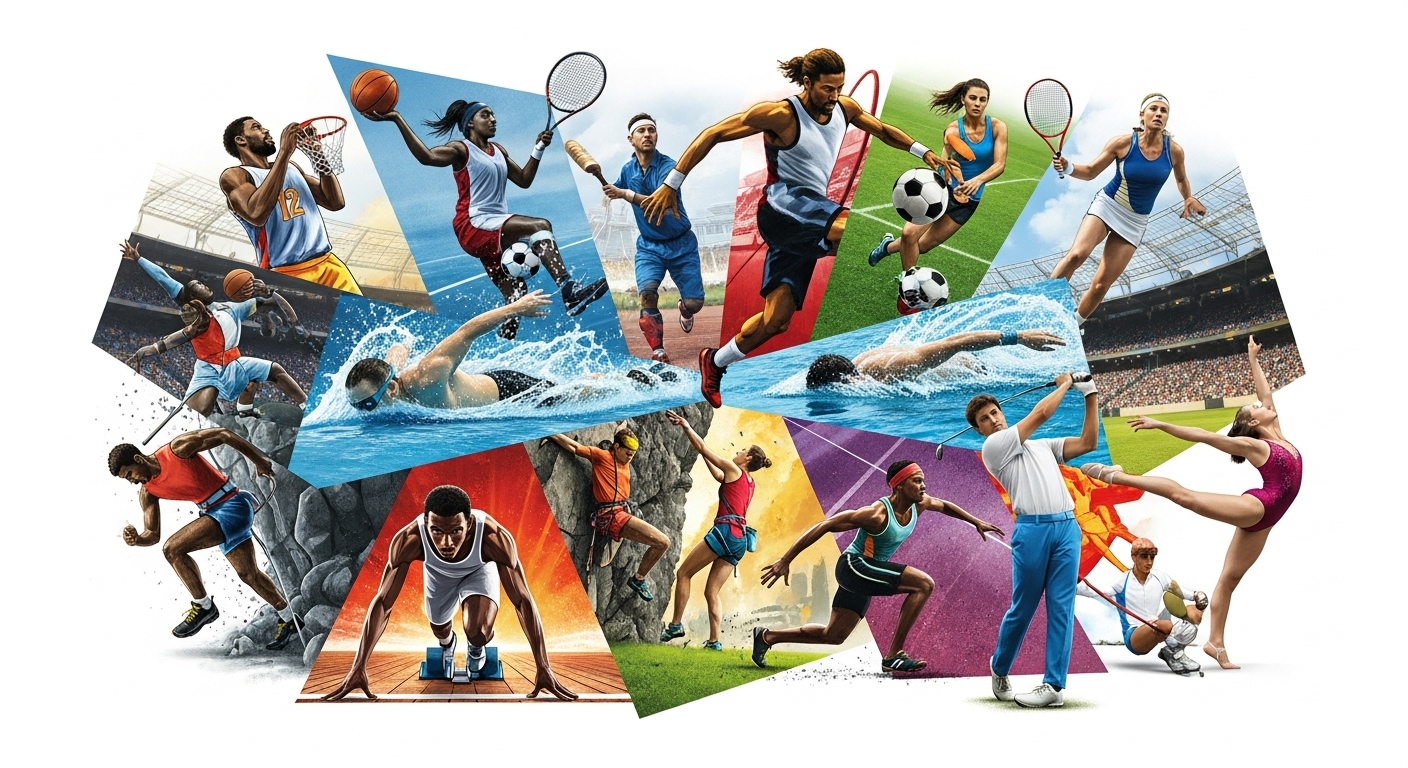
Sports are a vital part of human life, offering far more than just entertainment. They inspire individuals, teach discipline, and foster social connections. From neighborhood playgrounds to professional arenas, sports bring people together, encourage healthy lifestyles, and shape character. They are a universal language that transcends borders, culture, and age.
The History of Sports
Sports have existed for centuries, evolving alongside human civilization. Ancient societies used athletic competitions to celebrate skill, strength, and courage. The Olympic Games in ancient Greece are a notable example of sports as a platform for unity and excellence. Over time, organized competitions, structured leagues, and international tournaments emerged, establishing sports as a global phenomenon that connects millions of people worldwide.
The Power of Teamwork
One of the most important lessons sports teach is the value of teamwork. In team sports like soccer, basketball, and volleyball, success depends on collaboration, communication, and trust among players. Even in individual sports such as tennis or athletics, athletes rely on coaches, trainers, and mentors to achieve their goals. Teamwork in sports helps individuals develop empathy, leadership, and cooperation skills that are essential in everyday life.
Physical and Mental Benefits
Engaging in sports promotes both physical and mental well-being. Physically, it improves strength, stamina, and overall health while reducing the risk of chronic illnesses. Mentally, sports enhance focus, resilience, and stress management. Participation helps build self-confidence, discipline, and emotional intelligence. The combined physical and mental benefits of sports contribute to a well-rounded and healthy lifestyle.
Inspiration Through Athletes
Athletes serve as powerful sources of inspiration. Their dedication, perseverance, and achievements motivate people to push their own limits. Stories of overcoming obstacles, breaking records, and achieving personal goals encourage others to pursue excellence. Athletes demonstrate that success comes from hard work, resilience, and a positive mindset, teaching lessons that extend far beyond sports.
Sports and Community
Sports have a unique ability to bring people together. Local clubs, national teams, and international competitions unite communities and create a sense of belonging. They foster cultural exchange, promote inclusivity, and teach values such as fairness and respect. Sporting events often become celebrations of identity, pride, and shared experience, strengthening social bonds.
Technology in Sports
Technology has transformed both playing and watching sports. Advanced training equipment, performance tracking systems, and data analytics help athletes improve performance and prevent injuries. Fans enjoy live broadcasts, instant replays, and interactive coverage that enhance engagement. Technology continues to innovate the sports world, creating smarter, safer, and more exciting experiences for players and audiences alike.
The Future of Sports
The future of sports promises greater inclusivity, innovation, and global participation. Emerging technologies, sustainable practices, and new formats will redefine how sports are played and enjoyed. Opportunities for athletes of all genders and abilities are expanding, ensuring that sports remain accessible and inspiring. The spirit of competition, teamwork, and dedication will continue to shape lives and communities worldwide.
Conclusion
Sports are more than a pastime—they are a vital part of human development and culture. They promote physical and mental health, inspire perseverance, and build social cohesion. Whether played professionally or recreationally, sports teach invaluable life lessons and unite people across the globe. The influence of sports extends far beyond the field, leaving a lasting impact on individuals and society alike.