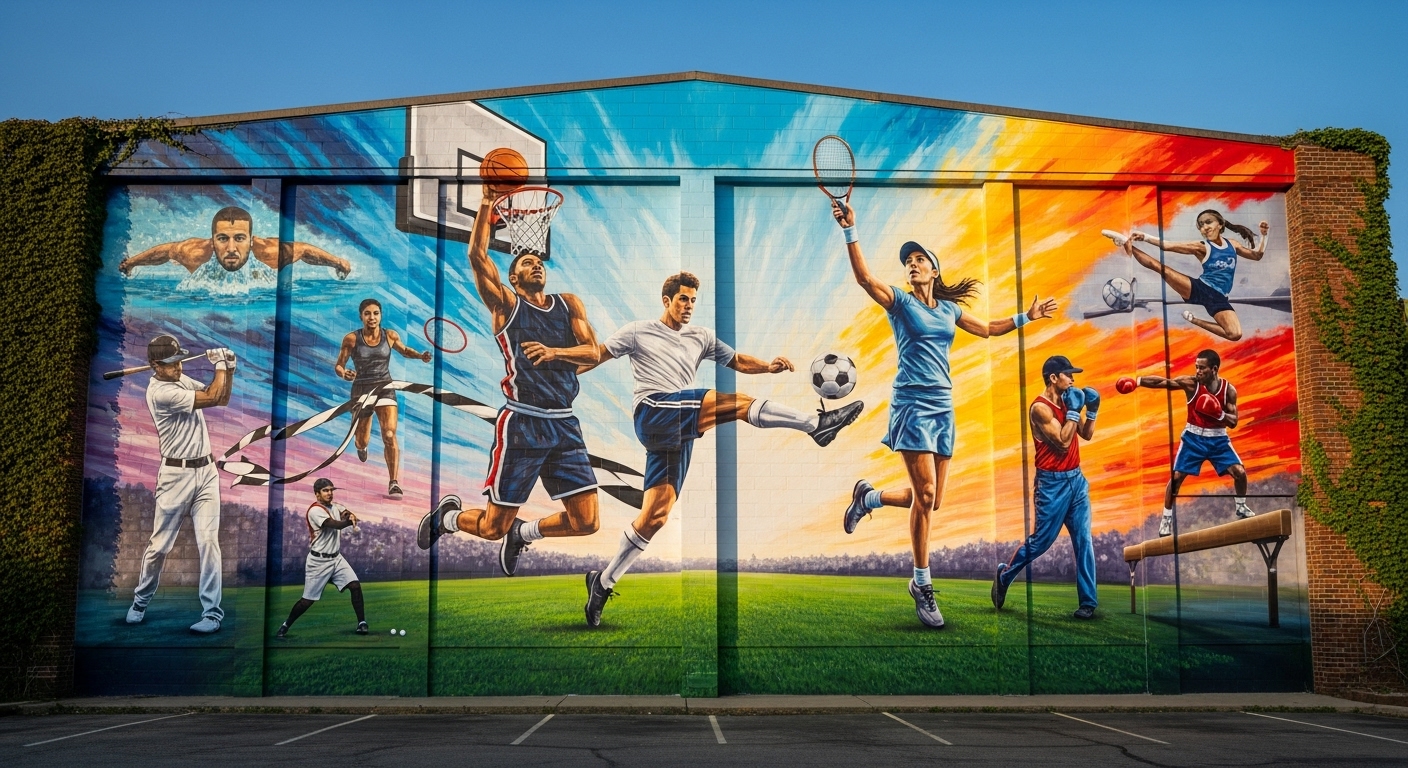

Sports have always been more than mere physical contests or displays of athletic ability. They are woven into the cultural, social, and emotional fabric of human civilization. From ancient rituals to modern international competitions, sports embody our collective drive for excellence, cooperation, and resilience. Whether it is the roar of the crowd in a packed stadium or the quiet intensity of an athlete training alone before dawn, the essence of sports lies in the pursuit of mastery and meaning. This article explores the evolution, diversity, and profound impact of sports on individuals and societies across the world.
The Origins of Sports: From Survival to Celebration
The earliest forms of sport can be traced back thousands of years. Ancient humans used physical competitions as a means to prepare for survival. Hunting, running, wrestling, and throwing were essential skills for sustenance and protection, but they gradually evolved into organized activities and public displays. Archaeological findings from Mesopotamia, Egypt, and Greece reveal that sports were often linked with religious ceremonies and social hierarchy.
In ancient Greece, athleticism was celebrated as a tribute to the gods. The Olympic Games, first held in 776 BCE in Olympia, symbolized not just competition but also peace and unity among Greek city-states. These early Olympians competed in running, discus throwing, long jump, and wrestling, setting the foundation for modern sportsmanship and fair play. Meanwhile, in ancient China, archery and martial arts served both military and spiritual purposes, blending discipline with philosophy.
Sports in early civilizations were also a reflection of cultural identity. The Mayan ballgame, known as Pok-ta-Pok, was more than entertainment—it represented the eternal struggle between life and death. The Roman gladiatorial games, brutal as they were, showcased power, spectacle, and the political ambitions of emperors. Over time, as societies became more structured, so did their sports, gradually evolving from survival-based rituals into organized and codified competitions.
The Modern Revolution of Sports
The modern era of sports began in the 19th century, coinciding with industrialization, urbanization, and global communication. The need for structured leisure activities grew alongside technological advancements and urban living. Britain played a central role in formalizing many sports such as football, cricket, and tennis. These sports spread across the British Empire, adapting to local cultures and becoming global phenomena.
The re-establishment of the Olympic Games in 1896 marked a turning point. Under the vision of Baron Pierre de Coubertin, the Olympics became a platform for international unity and the celebration of human potential. Since then, sports have transcended boundaries of language, race, and nationality, turning athletes into ambassadors of peace and progress.
The 20th century witnessed a massive expansion of sports through radio, television, and later the internet. Global icons like Pelé, Muhammad Ali, Michael Jordan, and Serena Williams became symbols of excellence and perseverance. With every passing decade, sports became more inclusive, professional, and commercialized—creating vast industries and inspiring millions.
The Psychology Behind Sports: Mind Over Muscle
Sports are not only about physical ability; they are deeply psychological. The mental aspect of sports determines success as much as physical conditioning does. Athletes must manage fear, anxiety, motivation, and focus. The greatest champions are not those who never fall but those who rise stronger every time they do.
Sports psychology emphasizes visualization, self-talk, goal-setting, and resilience. The power of the mind can turn defeat into triumph. For instance, when a runner visualizes crossing the finish line before the race, the brain and body align to achieve that outcome. Mental training has become as crucial as physical drills, especially in high-pressure environments like the Olympics or World Cup finals.
Moreover, sports can significantly influence personal growth. The lessons learned through competition—discipline, teamwork, patience, and humility—extend far beyond the field. They prepare individuals for challenges in work, relationships, and life itself. Losing gracefully and winning humbly are values that sports teach better than any classroom.
Sports as a Universal Language
Few human activities possess the universal appeal of sports. Regardless of nationality, language, or background, people can understand the emotions expressed on the field. A goal in football, a knockout in boxing, a home run in baseball—these moments unite billions across continents. The shared joy of victory and the shared sorrow of defeat bring humanity closer together.
Sports have played a key role in diplomacy and global cooperation. The concept of “ping-pong diplomacy” between the United States and China in the 1970s demonstrated how sports could bridge political divides. Similarly, the 1995 Rugby World Cup in South Africa became a symbol of racial reconciliation under Nelson Mandela’s leadership. Sports events have repeatedly proven that when the world gathers to compete, it can also learn to coexist.
The Role of Technology in Sports Evolution
Technology has revolutionized how sports are played, viewed, and managed. From high-performance gear to data analytics, innovation has reshaped the athletic landscape. Athletes now train with precision using wearable devices that track heart rate, speed, and recovery time. Coaches rely on artificial intelligence to analyze opponents’ strategies and optimize performance.
In addition, sports broadcasting and digital platforms have transformed fan engagement. Virtual reality allows spectators to experience games from the perspective of players, while social media gives fans direct access to their favorite athletes. Technology has made sports more inclusive by enabling people with disabilities to compete at elite levels through adaptive equipment and prosthetics.
However, this technological leap also raises questions about fairness. Debates around performance-enhancing technologies and genetic engineering highlight the ethical challenges ahead. Striking a balance between innovation and integrity remains crucial to preserving the spirit of competition.
Women in Sports: Breaking Barriers and Building Legacies
The journey of women in sports has been one of courage and determination. For centuries, societal norms restricted women’s participation, viewing sports as a male domain. Yet, pioneers like Babe Didrikson Zaharias, Billie Jean King, and Mia Hamm shattered stereotypes and redefined what women could achieve.
Today, women athletes stand as equals on global stages. The success of female Olympians, footballers, cricketers, and tennis stars has inspired generations to dream without limits. The rise of events like the Women’s World Cup and WNBA demonstrates that women’s sports have their own massive fan base and economic potential.
Still, challenges remain—pay disparities, unequal media coverage, and limited sponsorships persist in many regions. But every breakthrough brings new hope. Every medal won, every record broken, becomes a step toward true equality in sports.
The Economic Power of Sports
Sports are not just passion—they are a multi-trillion-dollar global industry. From stadium construction to broadcasting rights, sports drive economic growth, tourism, and employment. Major events like the FIFA World Cup or the Olympic Games generate billions in revenue and transform host cities with infrastructure and cultural exposure.
Athletes themselves have become global brands. Endorsements, merchandise, and digital content have turned sports into a marketing powerhouse. The NBA, Premier League, and IPL have cultivated global fan bases that transcend geography, creating ecosystems of business, media, and entertainment.
However, commercialization also brings challenges. Excessive focus on profit can overshadow the purity of competition. The balance between financial success and sporting integrity is delicate but essential for the sustainability of the industry.
Sports and Education: A Foundation for Character
Sports play a vital role in education and youth development. School and college sports teach values that shape young minds—leadership, teamwork, time management, and respect. Physical education encourages fitness, discipline, and emotional well-being, combating sedentary lifestyles and mental stress.
Youth participation in sports also serves as a pathway for social mobility. For many underprivileged children, sports provide opportunities for scholarships, careers, and global recognition. Beyond professional success, the habits formed through regular physical activity promote lifelong health and happiness.
Educational institutions that integrate sports into their culture produce more balanced and motivated individuals. Whether one becomes a professional athlete or not, the spirit of competition and cooperation learned through sports enriches every aspect of life.
Sports and Health: The Science of Movement
The connection between sports and health is undeniable. Regular participation in physical activities improves cardiovascular health, muscle strength, flexibility, and mental well-being. Exercise releases endorphins, which reduce stress and anxiety, leading to better emotional balance.
Modern lifestyles have made sedentary behavior a major health risk. Sports offer a joyful way to combat this trend. Whether it is swimming, cycling, running, or team games, engaging in sports keeps the body active and the mind sharp. Studies consistently show that people who play sports are more likely to maintain healthy habits throughout life.
Moreover, sports can be therapeutic. Programs that use sports to rehabilitate patients with mental or physical disabilities have shown remarkable results. The Paralympic movement, for example, stands as a powerful testament to the healing and empowering power of sports.
The Globalization of Sports: A Shared Planet of Passion
Globalization has turned sports into a shared cultural phenomenon. International leagues attract fans from every corner of the world. Football clubs have supporters from Asia to Africa, while American basketball stars are household names in Europe. The global spread of sports fosters understanding among diverse communities.
Digital media has made this globalization even more profound. Fans no longer have to wait for television broadcasts—they can follow live updates, interviews, and highlights instantly. Social media platforms allow athletes to connect with fans directly, creating personal bonds that transcend borders.
Sports also promote cultural exchange. International tournaments introduce new traditions, cuisines, and art forms to the world. The Olympic opening ceremonies, for instance, showcase the beauty and diversity of nations. Through sports, humanity celebrates both its unity and individuality.
Challenges in Modern Sports: Doping, Corruption, and Overcommercialization
While sports inspire greatness, they are not free from flaws. The pursuit of victory can sometimes lead to unethical practices. Doping scandals, match-fixing, and corruption have tarnished the image of several sports. These issues threaten the integrity that lies at the heart of fair competition.
Governing bodies continue to strengthen regulations and promote transparency, but challenges remain. The pressure to win—fueled by fame, money, and national pride—can drive athletes and organizations to unethical choices. True reform requires collective effort from players, fans, officials, and sponsors alike.
Overcommercialization is another concern. The relentless focus on profit can lead to exploitation of young athletes, excessive ticket prices, and environmental harm from mega-events. Preserving the human and cultural values of sports amidst this commercialization is essential for its future sustainability.
The Future of Sports: Innovation, Inclusion, and Sustainability
As we move into the future, sports will continue to evolve alongside technology and society. Esports, for example, have emerged as a new frontier, blending gaming and competition in digital arenas. Virtual and augmented reality will make sports more interactive and accessible to fans.
Sustainability will also shape the future of sports. With climate change posing serious challenges, sports organizations are adopting eco-friendly practices—reducing carbon footprints, recycling materials, and building green stadiums. The idea of “sports for sustainability” is gaining momentum, emphasizing responsibility toward the planet.
Inclusivity remains a guiding principle. The growing visibility of Paralympic and Special Olympic athletes has expanded the definition of athleticism. Sports are no longer confined to physical ability; they are a celebration of determination, adaptability, and spirit.
The Soul of Sports: What It Means to Be Human
At its core, sports capture what it means to be human—the joy of movement, the thrill of challenge, the agony of defeat, and the beauty of triumph. Sports remind us that effort matters as much as outcome. They teach us to respect opponents, value teamwork, and embrace diversity.
The cheers in the stands, the silent prayers before a crucial moment, the shared embrace after a game—all symbolize the emotions that bind humanity. Sports are a reflection of our dreams and our resilience. They unite people in ways that few other forces can.
Conclusion: The Unending Game of Life
Sports are more than games—they are living metaphors for life itself. They teach us to rise after failure, to strive for excellence, and to cherish the journey. Whether it is a child learning to swim, a local team playing for pride, or an Olympian standing on the podium, every moment in sports celebrates the best of human potential.
As we look to the future, the spirit of sports will continue to inspire. It will remind us that victory is not merely about winning—it is about effort, courage, and integrity. Sports are humanity’s unending game—a dance between body and soul, between competition and compassion, between who we are and who we can become.